VR Demo Days for Student Portfolios
Topics: VR demo Day Campus Events, Immersive Showcase
VR Demo Day: 5 Things to Know in Transforming Student Portfolios into Immersive Showcases
The educational landscape is rapidly evolving the ability to showcase the innovative world. One trend that is emerging is the need for the introduction of VR demo day campus events, where students use immersive technologies to present their ideas and skills as well as peers. The value of the portfolios also transforms them into dynamic and interactive experiences that stand out in the competitive environment.
The Rise of VR in Education
VR has moved beyond entertainment and gaming, becoming a realm in the educational field. Universities and colleges are increasingly adopting VR platforms, creating interactive classrooms, stimulating real-world experience, and enhancing skill-based learning. This makes them for their portfolios; it’s immersive and engaging for both of them. The static resumes and slides do not please the employers, so this way they can interact with their work firsthand.
What Are VR Demo Days?
A VR demo day campus event is similar to the traditional manner of showing your career fairs, but with a twist in the technology. The posters or booths with stands in a physical hall make it boring. VR environments where their work can be experienced are beneficial. For example, for creating a 3D prototype, you may inspect it in a real image, as it helps in building a digital gallery that highlights creative works in an immersive setting.
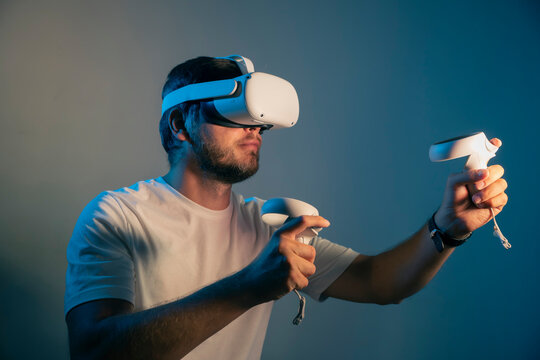
These events are open for campus-wide opportunities to bring students, faculty, and employers together. People who attend wear headsets and showcase through computer screens. The result is an immersive showcase that highlights creativity, technical expertise, and communication skills.
Benefits for Students
This offers you several advantages. First, it helps in increasing digital literacy as the demand across industries is that way. Creating VR-ready portfolios not only requires designs but also various spatial platforms, designs, and interactive storytelling. Skills are later automatically translated into workplace competencies.
Second, it should be outstanding. As the traditional resumes fail to capture the depth of a student’s abilities, in creative and technical fields. This only helps in showcasing a major design as a walkthrough profile app with a virtual tour of the project design, leaving lasting impressions on potential employers.
Third, it encourages collaboration and innovation. Students often work in teams to design their virtual projects and storytelling. This also works as a real-world professional mirror, which helps students collaborate and build stronger communication skills.
Impact on Employers and Recruiters
The campus benefits from a rich understanding of the candidate’s abilities. They don’t rely on resumes or interviews; recruiters can directly interact in this interview. It allows them to assess not only with a final output but also the problem-solving process with attention to detail.
Furthermore, we can reduce geographical barriers, and employers will not need to attend fairs physically and have an experience of VR portfolio presentations. This not only ensures talent but also recognises you on a global scale.
Challenges and Considerations
There are a few challenges in the institutions; not all students have access to the hardware, software, and the right equipment to create a project. Due to the generation of immersive content, one might need training and support.
Inclusivity and these experiences mitigate the discomfort of those who are using the headsets. It should be accessible while offering alternative experiences, such as 2D desktops.
The Future of Student Portfolios
This would lead to the staple of higher education and technology, with affordable and widespread immersive showcasing of career services and academic programs with collaborations. By blending creativity and technology and professional development, VR portfolios are setting a new standard for how students present their skills, achievements, and experiences.
Conclusion
VR demo day campus events have a significant change in the development of student profiles and development with the shades of experiences. This showcases how students gain valuable experience, enhancing their chances of getting jobs and standing out in the competitive job market. It shows the future career preparation.
References
[1] A. Deweerdt, “Man sitting and using black virtual reality headset,” Unsplash. Available: https://unsplash.com/photos/man-sitting-and-using-black-virtual-reality-headset-kJ2xdKJZZ9k. [Accessed: Sept. 2, 2025].
[2] LinkedIn, “How can VR create a unique and memorable portfolio experience?” LinkedIn. Available: https://www.linkedin.com/advice/3/how-can-vr-create-unique-memorable-portfolio-experience-xwtke. [Accessed: Sept. 2, 2025].
FAQs on VR Demo Day Campus Events and Immersive Showcase
1. What are VR demo day campus events?
VR demo day campus events are educational gatherings where students showcase their portfolios using virtual reality technology. These events allow students to present projects in an immersive and interactive environment, moving beyond traditional resume or slideshow presentations. Attendees, including peers, faculty, and potential employers, can explore student work in 3D environments, creating a dynamic way to highlight creativity, technical skills, and problem-solving abilities.
2. How do immersive showcases benefit students?
Immersive showcases help students demonstrate their work interactively, allowing viewers to experience projects as if in real life. This approach enhances digital literacy, improves presentation skills, and encourages innovative storytelling. Students learn to use spatial design, VR software, and interactive tools, which are transferable to professional careers in technology, design, and engineering.
3. What types of projects can be presented at VR demo day campus events?
Students can present a variety of projects, including 3D models, architectural designs, simulations, interactive games, scientific experiments, and creative multimedia projects. The immersive nature of VR allows for detailed exploration of complex ideas, making the projects more engaging and impactful than static presentations.
4. How does VR enhance traditional student portfolios?
VR transforms student portfolios into immersive showcases that allow viewers to interact with projects, walk through designs, and engage with content in three dimensions. Traditional portfolios often rely on static visuals, while VR portfolios offer experiential learning, helping students stand out in competitive academic and professional settings.
5. Are VR demo day campus events accessible to all students?
Accessibility can be a challenge, as not all students may have access to VR headsets or compatible software. However, institutions often provide shared equipment or alternative 2D desktop experiences to ensure inclusivity. These measures ensure every student can participate in immersive showcases regardless of hardware limitations.
6. How can VR portfolios improve employability?
Employers attending VR demo day campus events gain a deeper understanding of a candidate’s skills, creativity, and problem-solving process. By experiencing projects firsthand, employers can assess technical competence, innovation, and teamwork, which helps students make a stronger impression and increases their chances of securing job opportunities.
7. What skills do students develop by participating in VR demo days?
Students develop a wide range of skills, including digital literacy, 3D design, spatial awareness, interactive storytelling, teamwork, and communication. These skills are directly transferable to professional environments, particularly in creative, technical, and engineering fields.
8. How do immersive showcases encourage collaboration?
Immersive showcases often involve group projects where students collaborate to design and present VR experiences. This mirrors real-world professional scenarios, fostering teamwork, problem-solving, and collaborative communication skills, while also teaching project management within a virtual environment.
9. Can employers attend VR demo day campus events remotely?
Yes, one of the key advantages of VR demo day campus events is that employers can attend virtually, overcoming geographic barriers. They can interact with student portfolios, observe projects in real time, and evaluate candidates without physically visiting the campus, broadening talent access and engagement.
10. What hardware is required for VR demo day campus events?
Typically, participants need VR headsets compatible with the chosen software platform, a computer with sufficient graphics capabilities, and appropriate software to run the VR experiences. Some institutions provide shared VR equipment, and alternative desktop-based versions are offered for those without headsets.
11. How do VR demo days differ from traditional career fairs?
Traditional career fairs rely on booths, posters, and face-to-face presentations. VR demo day campus events replace static displays with interactive, immersive experiences. Attendees can navigate 3D environments, engage with projects, and gain a deeper understanding of a student’s skills and creativity, providing a richer assessment than traditional methods.
12. Are VR demo days suitable for all academic disciplines?
While VR demo days are especially effective for fields involving design, engineering, technology, or creative media, they can be adapted for any discipline. For instance, scientific simulations, virtual art galleries, or interactive business models can all be presented as immersive showcases, demonstrating the versatility of VR in education.
13. What are the challenges of implementing VR demo day campus events?
Challenges include the cost of VR equipment, technical support requirements, training students in VR content creation, and ensuring accessibility for all participants. Institutions need to plan for equipment distribution, software access, and technical guidance to ensure a smooth experience for students and attendees.
14. How do VR portfolios impact student engagement?
VR portfolios significantly increase student engagement by providing hands-on, interactive experiences. Students take ownership of their projects, develop creative solutions, and feel motivated to innovate. Immersive showcases also encourage peer-to-peer learning, as students explore each other’s work in engaging VR environments.
15. Can VR demo days be integrated into academic assessments?
Yes, VR demo days can complement academic evaluations by assessing creativity, technical skills, and teamwork. Educators can use immersive showcases to evaluate project complexity, problem-solving approaches, and presentation abilities, offering a more holistic assessment than traditional exams or reports.
16. What role do immersive showcases play in preparing students for the workforce?
Immersive showcases simulate real-world work environments where students collaborate, solve problems, and present projects to diverse audiences. This prepares them for professional scenarios, enhances workplace competencies, and improves confidence in presenting ideas effectively to employers or clients.
17. How do VR demo days support global exposure for students?
Virtual participation allows international students, faculty, and employers to engage with projects remotely. This exposure broadens networks, encourages cross-cultural collaboration, and enables students to gain recognition on a global scale, creating opportunities for international internships or job placements.
18. Are VR demo day campus events cost-effective for institutions?
While initial investment in VR equipment can be high, VR demo days can reduce long-term costs associated with physical career fairs, travel, and event setup. Additionally, digital portfolios can be reused, shared online, and scaled across multiple campuses, offering sustainable benefits over time.
19. How can students start preparing for VR demo days?
Students should learn VR software, practice 3D modeling or design, and focus on storytelling within immersive experiences. Participating in workshops, collaborating with peers, and experimenting with interactive content ensures that portfolios are polished, engaging, and ready for the VR showcase.
20. What is the future of VR demo day campus events?
VR demo day campus events are likely to become a standard in higher education, blending technology, creativity, and professional development. As immersive technologies become more affordable and accessible, these events will set the benchmark for portfolio presentations, career preparation, and interactive learning experiences.
Penned by Himangi Kapoor
Edited by Ragi Gilani, Research Analyst
For any feedback mail us at [email protected]
Streamline Your Hiring with Eve Placement’s Custom Assessments
Eve Placement helps you engage, assess, and recruit top talent through tailored hiring challenges that go beyond resumes. From technical quizzes and real-world case studies to psychometric evaluations and audio/video submissions, our platform enables smarter, data-driven hiring decisions. Advanced security features ensure authenticity and eliminate fraud, giving you reliable results. Ready to hire better? Know More.
Mail us at [email protected]