
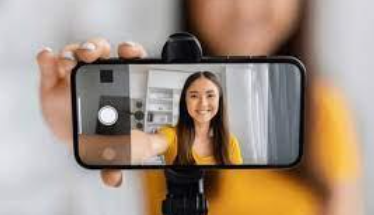
Introduction
The hiring world has changed. Sometimes today, an interview just begins with a short screening clip. More companies are resorting to video introduction screening as a way to get an early indication of who the candidate is beyond the résumé. For the candidates, this is one golden opportunity to showcase their personality, communication style, and enthusiasm before the first formal interview. This screening system is more time-efficient and engaging for a recruiter in identifying the right fit.
Recruiter screening informs the accomplishment; a short vacation is about the identity. . With the rise of recruiter screening videos, hiring teams can compare candidates side-by-side without spending hours on initial phone calls.
Why Video Introductions Are Taking Over?
This shift to video isn’t about following a trend—it’s about making smarter, quicker decisions.
- Time efficiency – Recruiters can review several candidate videos in the time it takes for one phone screen.
- Deeper insights – A person’s tone, energy, and body language give clues a résumé can’t.
- Fair evaluation – Every candidate answers the same questions, reducing bias.
For job seekers, this format makes it easier to stand out and show confidence from the very beginning.
How to Make a Strong Video Introduction
If you have any role to be applied for or designing the process, a successful video introduction screening rests on clarity, confidence, and genuineness.
- Know What to Say – Candidates should refer to their background, the reason why they are applying, and one skill that stands out. Recruiters should set clear prompts.
- Keep it short – Most recruiter screening videos are 60- to 90-second-long chunks of time: short enough to keep the candidate engaged and long enough to provide sufficient information.
- Pick your Setting – An ideal setting would be an empty room with lots of light from a good window or artificial light. Avoid background distractions.
- Sound Natural– Practice enough to stay comfortable with your thoughts, but do not read the video introduction from a script. Talk in an easy, natural way as if to a co-worker, not to the camera.
- Quality Check– Crisp audio, a steady camera, and good lighting can do wonders.
What Recruiters Really Notice
Recruiters are looking for more than just qualifications—they want to see how you present yourself. A strong video introduction screening often shows:
- Clear communication skills
- Professional presence
- Cultural alignment with the company
- Enthusiasm and energy
- Ability to explain ideas simply
Many hiring teams even use rating systems to compare videos fairly, focusing on these traits.
Mistakes
A few common slip-ups can turn a great application into a missed opportunity:
- Talking too fast or too slow
- Distracting noise in the background
- Poor camera positioning
- Avoiding eye contact with the camera
- Overcomplicated answers instead of clear points
Why It Benefits Everyone
For employers:
- Faster shortlisting
- Better insight before interviews
- Fewer scheduling hassles
For candidates:
- A chance to shine beyond a résumé
- Control over when and how to record
- An opportunity to leave a strong first impression
When done correctly, video introduction screening and recruiter screening videos foster in-person, less transparent, and more efficient processes. Candidates tell their stories in their own words, while recruiters get to know the key traits before the first interview.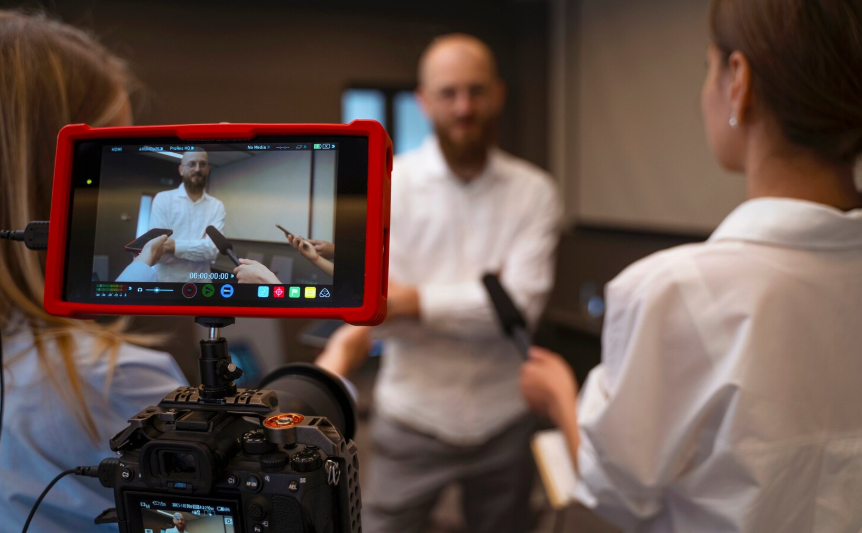
Conclusion
This new way of hiring helps companies engage talent. It combines speed with depth – it empowers recruiters to make quicker, better informed decisions and allows candidates to present their personality to stand out from the field. Those who embrace this style of screening whether they are on the hiring or applying side of the equation will be best positioned for the future of recruitment.
At its core, video introduction screening is about creating an authentic connection earlier in the hiring process. From a recruiter perspective, it’s removing a lot of the guess work. From a candidate perspective, it allows them to openly and authentically express themselves.
This hiring approach is not simply filling a void, it is finding the right fit faster and with greater assurance. With time being our most precious resource and first impressions being key, such a minor change to the process can result in a vastly different experience for all involved.
Commonly Asked FAQs:
1. What exactly is video introduction screening and why is it used in hiring?
Video introduction screening is a modern recruitment step where candidates record a short video clip introducing themselves, highlighting their skills, and answering preset questions. Employers then review these videos before scheduling interviews.
The rise of video introduction screening tips in hiring is driven by time efficiency, the ability to see candidates’ personality early, and ensuring every candidate gets a fair and equal opportunity to present themselves.
2. How long should a video introduction be?
The ideal length is 60 to 90 seconds. This keeps it concise and focused while giving candidates enough time to present their background, motivation, and one standout skill. Shorter clips feel rushed, while longer ones risk losing the recruiter’s attention.
Many video introduction screening tips emphasize practicing until you can deliver your key points within this timeframe naturally.
3. What should candidates include in their video introduction?
A strong video should include a quick greeting, your name, your current role or education status, the reason you’re applying, and one or two key strengths that make you a great fit. Candidates should follow clear prompts if provided.
Applying video introduction screening tips means planning these points ahead so you sound structured without reading from a script.
4. What kind of setting works best for recording a professional introduction?
Choose a quiet, well-lit room with minimal distractions. Natural light or a simple lamp behind the camera can improve your appearance on screen.
Keep the background clean and neutral. Following video introduction screening tips also means ensuring your camera is steady at eye level — avoid holding the phone in your hand or placing it at an odd angle.
5. How important is audio quality in a screening video?
Very important. Poor audio can frustrate recruiters and overshadow a good message. Speak clearly, avoid background noise, and check your microphone before recording.
Many video introduction screening tips recommend doing a test recording to ensure sound clarity and making small adjustments to your room or device if needed.
6. Should candidates memorize their answers or speak freely?
It’s best to practice key points but avoid memorizing word-for-word. A natural tone shows confidence and authenticity, which recruiters value.
Reading from a script can make you sound robotic. Applying video introduction screening tips means preparing bullet points, rehearsing them, and then speaking as if you’re talking to a colleague.
7. What do recruiters actually look for when reviewing video introductions?
Recruiters focus on communication skills, confidence, enthusiasm, cultural fit, and clarity of thought. They watch how well you express ideas, maintain eye contact, and carry yourself. Video introduction screening tips for candidates include smiling, using professional body language, and showing genuine interest in the role.
8. What are common mistakes to avoid in a video introduction?
Speaking too quickly or too slowly, poor lighting, distracting noise, camera positioned too low or too high, and giving overly long or unfocused answers are frequent issues.
Video introduction screening tips also warn against monotone delivery — a little energy goes a long way in making a good impression.
9. How do recruiters benefit from video introduction screening?
Recruiters save time by reviewing multiple videos in one sitting instead of scheduling dozens of phone screens. They get early insights into candidates’ communication styles, energy levels, and potential cultural fit.
Applying video introduction screening tips helps recruiters create a consistent, fair process where each candidate gets the same set of prompts.
10. Can video introductions reduce bias in hiring?
Yes, to some extent. Since every candidate answers the same structured questions, recruiters can compare responses more objectively.
Video introduction screening tips for recruiters include using standardized rating rubrics that focus on skills, clarity, and relevant experience rather than subjective impressions.
11. What equipment do candidates need to record a good video introduction?
A smartphone or laptop with a decent camera, good lighting, and a quiet space is often enough. Optional extras like a tripod or ring light can improve quality.
Many video introduction screening tips highlight that professionalism is more about clarity and presentation than expensive gear.
12. How many takes should a candidate record before submitting?
Record a few takes until you feel comfortable and natural. Avoid over-rehearsing, as it may make you sound scripted. Video introduction screening tips suggest picking the version where you look and sound the most confident and approachable rather than the most “perfect.”
13. How can candidates calm nerves before recording?
Take a few deep breaths, practice your introduction out loud, and remind yourself this is your chance to shine. Video introduction screening tips also recommend smiling slightly, which not only helps you appear friendlier but also reduces tension in your voice.
14. How do employers give feedback on video introductions?
Some platforms allow recruiters to rate and comment on candidate videos, giving helpful pointers for improvement.
Video introduction screening tips for recruiters suggest offering constructive feedback to candidates who progress to later stages, as it improves the candidate experience.
15. Are video introductions replacing live interviews entirely?
No, they are just the first step in screening. They help narrow the pool so recruiters can focus live interviews on the strongest candidates. Video introduction screening tips position this method as a supplement to, not a replacement for, in-depth interviews.
16. What are the privacy considerations of video screening?
Employers should use secure platforms and inform candidates how their videos will be stored, who will view them, and for how long.
Candidates should also ensure they are comfortable with what they share. Video introduction screening tips encourage transparency from employers and professionalism from candidates.
17. How can companies implement video introduction screening effectively?
Companies should clearly communicate expectations, keep prompts simple, and provide candidates with technical guidance.
They should also train recruiters to evaluate videos consistently. Following video introduction screening tips helps ensure the process is efficient and fair.
18. How does video introduction screening help remote hiring?
It eliminates time zone issues and allows recruiters to review submissions asynchronously. This speeds up global hiring.
Video introduction screening tips make remote recruitment smoother by letting both parties interact on their own schedules before committing to a live meeting.
19. Can candidates use the same video introduction for multiple applications?
Yes, but personalization is always better. Mentioning the company or role shows genuine interest.
Video introduction screening tips recommend keeping a general template but adjusting the intro line or skill emphasis for each application.
20. What final checklist should candidates follow before submitting?
Ensure proper lighting, clear audio, professional attire, steady camera angle, and confident delivery.
Watch the video once to check for distractions or errors. Video introduction screening tips emphasize submitting only when you are satisfied that the clip reflects your best self.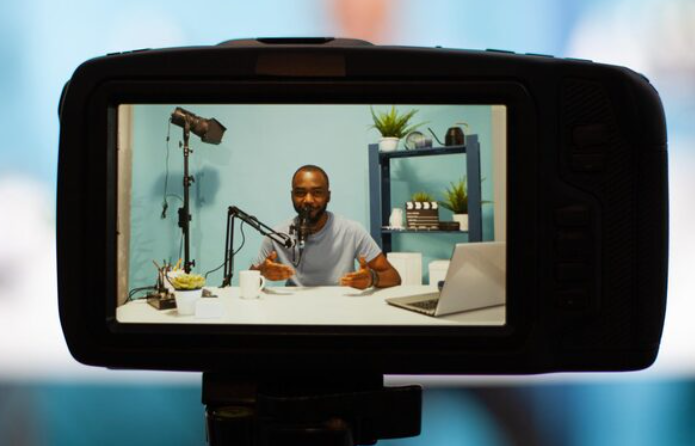
SOURCES
2.Talvity- https://www.talivity.com/employer-brand/importance-of-recruitment-videos/
3.Business Insider- https://www.businessinsider.com/career-coach-shares-5-tips-acing-ai-interviews-tests-2025-5
4.Radancy blog- https://blog.radancy.com/2025/04/04/the-video-interview-advantage-rethinking-hiring/