
Ultimate Smart City IoT Guide
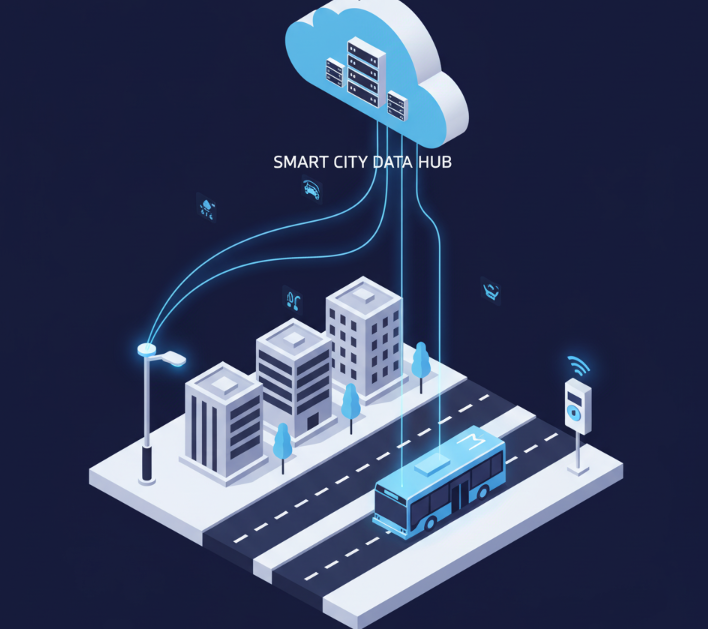
Imagine strolling through a neighborhood with streetlights that light up only when someone crosses by, buses that arrive as if the app knows exactly when they’ll be there, and a text alert alerts you to a leak in the middle of the roadway before it puddles on the street. This isn’t science fiction; it’s the everyday goal of Smart City IoT consulting, where city planners and tech enthusiasts collaborate to improve the ease and safety of the urban area. At the heart of those plans are urban sensor networks: small devices invisibly embedded in the road, pipes, and electrical lines that are continuously providing real-time data about traffic, air quality, energy use, and more, providing city planners with a true, real-time dashboard of what is happening in every corner of their city, essential for successful Smart City IoT implementation.
Why Cities Are Turning to IoT
Crowded streets, rising energy costs, and climate worries push local governments to be more inventive. Traditional city planning, with five-year reports and paper surveys, simply can’t keep up. This urgency is driving the adoption of Smart City IoT solutions. IoT changes that game. Traffic patterns can be altered before they turn busy, lights can dim when no one is around, and utilities can fix a leak before it becomes a flood, thanks to real-time updates provided by the Smart City IoT infrastructure.
The Consultant’s Touch
Rolling out technology citywide isn’t just a shopping spree for sensors. Smart City IoT consulting teams figure out what a city actually needs, design secure systems, and help officials talk to residents so people understand how their data is used and protected in the Smart City IoT environment. They also bridge the gap between the engineers building the gadgets and the city departments that must run them day-to-day, ensuring effective Smart City IoT deployment.
Inside an Urban Sensor Network
Think of urban sensor networks as the city’s nervous system for Smart City IoT:
Environmental sensors watch air quality and temperature.
Traffic monitors track cars, bikes, and buses.
Smart meters follow water and power use, catching leaks or spikes.
Safety sensors flag accidents or suspicious activity. All of these feed a central platform that city managers can check as easily as they glance at a weather app, providing the backbone for Smart City IoT operation.
Examples in the Real World
Take Barcelona, where parking sensors total a city-wide network that navigates drivers to empty parking spots. Singapore has a country-wide system to predict disease outbreaks. New York City uses thousands of smart water meters, saving millions of gallons of water a year. These successful Smart City IoT projects all serve as evidence that Smart City IoT is not only more than a buzzword, but already changing our everyday lives. Smart City IoT projects like Barcelona’s parking sensors and New York’s smart water meters show real benefits.
Hurdles to Clear
Of course, challenges remain for Smart City IoT deployment:
Guarding privacy and data security is a key challenge for any Smart City IoT implementation.
Paying for thousands of devices up front
Making gadgets from different vendors talk to each other
Earning residents’ trust so they’ll support the project Consultants help cities tackle these issues with clear privacy rules, scalable designs, and public engagement from day one to ensure public trust in Smart City IoT.
The Payoff
Here’s why it matters: when cities invest in Smart City IoT consulting and build strong urban sensor networks, everyone benefits. Commuters spend less time in traffic. Utilities waste less energy and water. Residents feel safer and better informed through Smart City IoT solutions.
Conclusion
Smart City IoT Planning is really people-centric planning. It’s about turning data into action so neighborhoods respond to us instead of the other way around. When technology fades into the background and life simply feels easier, you know a city has done Smart City IoT right.
Frequently Asked Questions (FAQs)
1. What are the core components of a successful Smart City IoT initiative?
The core components include Urban Sensor Networks (small devices in roads, pipes, etc.), a central platform for processing Real-Time Data, and specialized IoT Consulting teams for design, security, and resident engagement.
2. How do Urban Sensor Networks contribute to utility efficiency?
Smart meters, which are part of Urban Sensor Networks, continuously follow water and power use. This allows utilities to quickly catch leaks or abnormal spikes, significantly reducing waste, as demonstrated by New York City’s use of smart water meters.
3. What is the primary role of IoT Consulting in Smart City Planning?
IoT Consulting teams determine the city’s actual needs, design secure and scalable systems, bridge the gap between engineers and city departments, and manage public engagement regarding data use in Smart City Planning.
4. How does Smart City IoT help in managing urban traffic congestion?
Smart City IoT uses Real-Time Data from traffic monitors to understand traffic patterns. This enables city managers to alter traffic lights or flow before congestion turns busy, keeping commuters moving more efficiently.
5. What privacy concerns are associated with deploying Urban Sensor Networks?
The main challenges involve guarding the privacy and data security of the residents, ensuring compliance with regulations, and establishing trust regarding how the large volume of data collected by Urban Sensor Networks is used and protected.
6. How do cities use Real-Time Data collected by Smart City IoT for emergency services?
Cities use Real-Time Data from safety sensors to flag accidents or suspicious activity immediately. Examples, like Singapore’s system to predict disease outbreaks, show how data enables pre-emptive, life-saving action.
7. What kind of environmental data do Urban Sensor Networks monitor?
Urban Sensor Networks include environmental sensors primarily designed to monitor air quality and temperature across the city, providing data critical for health and climate initiatives.
8. Can small cities benefit from Smart City Planning and IoT integration?
Yes. While the article highlights large examples, the benefits of Smart City Planning—such as reducing energy costs, minimizing waste, and improving efficiency—are highly valuable and scalable for cities of any size.
9. What are the main security challenges for Smart City IoT infrastructure?
Key security challenges include guarding privacy, ensuring system security across thousands of devices, and ensuring interoperability so that gadgets from different vendors can talk to each other reliably within the Smart City IoT system.
10. How does Smart City Planning lead to energy cost reductions?
Smart City Planning uses sensors to implement demand-based control, such as dimming streetlights when no one is around, and using smart meters to identify power spikes, leading to significant utility and energy cost savings.
11. What is the difference between traditional city planning and modern Smart City Planning?
Traditional planning relies on outdated methods like five-year reports and paper surveys. Modern Smart City Planning is data-driven, using Real-Time Data from sensors to make dynamic decisions, making the city responsive rather than reactive.
12.How do IoT Consulting firms address the interoperability of various vendor devices?
IoT Consulting firms tackle interoperability by designing systems that can integrate data from different vendors and establishing clear technology standards to ensure all parts of the Smart City IoT infrastructure communicate effectively.
13. What global examples demonstrate effective use of Smart City IoT?
The article mentions Barcelona (using parking sensors to guide drivers), Singapore (predicting disease outbreaks), and New York City (saving water with smart meters) as prime examples of effective Smart City IoT.
14. How can a city gain resident trust for a large-scale Smart City IoT project?
To gain resident trust, cities must implement clear privacy rules, design scalable systems, and engage the public from day one so residents understand how their data is used and protected within the Smart City IoT project.
15. What is the Real-Time Data payoff for utility companies in a Smart City IoT?
The payoff is fixing infrastructure issues before they escalate. Utility companies use Real-Time Data from smart meters to catch leaks before they become floods and identify energy spikes, which prevents massive waste of resources.
Sources
Penned by Gaatha Arora
Edited by Hamid Ali, Research Analyst
For any feedback mail us at [email protected]
Streamline Your Hiring with Eve Placement’s Custom Assessments
Eve Placement helps you engage, assess, and recruit top talent through tailored hiring challenges that go beyond resumes. From technical quizzes and real-world case studies to psychometric evaluations and audio/video submissions, our platform enables smarter, data-driven hiring decisions. Advanced security features ensure authenticity and eliminate fraud, giving you reliable results. Ready to hire better? Know More.
Mail us at [email protected]