
Top 5 Biotechnology Jobs That Don’t Exist Yet—But Will Soon
Introduction
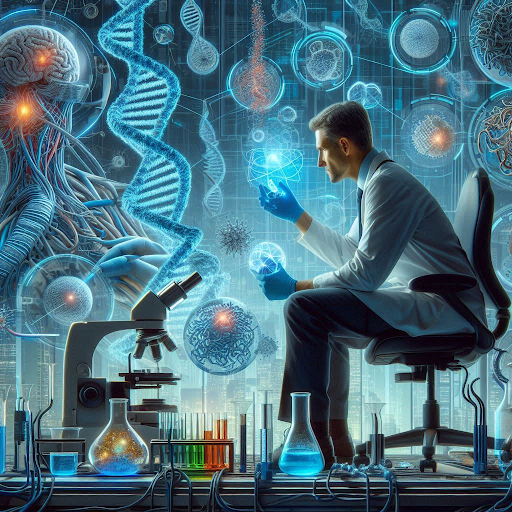
One DNA strand at a time, biotechnology is redefining what it means to be human. We are modifying genes, printing organs, adjusting diets, and prolonging life itself in addition to treating disease. The distinction between technology and biology is blurring, and the next step will completely alter the landscape.
These days, it goes beyond petri dishes and lab coats. It has to do with genetically customized precision medicine. AI is creating artificial cells. It involves bio-engineered empathy, organ farms, and possibly even aging reversal. The demand for new types of specialists—professionals who can handle the moral, psychological, and environmental ramifications of this biotech boom—comes with all this power, too.
With the ability to essentially rewire life, how does the work market look? These five roles don’t exist yet, but they’ll be some of the most vital (and controversial) careers shortly.
Advanced Bio-Refinery Engineer
Job Description:
These engineers will create and manage next-generation bio-refineries that transform waste, such as plastic and CO₂, into environmentally friendly fuels for heavy industry, shipping, and aircraft. They will turn pollutants into energy by using AI-guided catalysis and modified bacteria.
Market Relevance:
Everything cannot be decarbonized by EVs; low-emission fuel substitutes are required for industries, ships, and airplanes. Bio-refineries are the only scalable solution to the growing demand for fossil fuels and the limits of EV batteries.
Skills Required:
- Synthetic biology & microbial engineering
- Gas fermentation & biofuel synthesis
- Circular design & closed-loop manufacturing
- AI-optimized catalysis
- Systems engineering
Predicted Timeline:
Rapid adoption by 2025–2028, especially in shipping and aviation
Source Citations:
IEA (2025), Maersk Methanol Initiative, World Economic Forum Biofuels Report
Plastic Upcycling Microbiologist
Job Description:
Experts in creating microorganisms and enzymes that break down plastic waste and transform it into industrial products that can be used again, such as fuel precursors or biodegradable polymers. In essence, they transform waste from landfills into valuable resources.
Market Relevance:
The pollution caused by plastic is out of control. Conventional recycling is failing. By generating life forms that consume garbage and expel value, these microbiologists provide a low-energy, scalable answer.
Skills Required:
- Protein engineering & enzymatic biochemistry
- Metagenomics & microbiome analysis
- Bioreactor design & scale-up tech
- Environmental biotechnology
- Ocean and land ecosystem understanding
Predicted Timeline:
Major global adoption by 2027–2032
Source Citations:
UT Austin FAST-PETase (2025), Ocean Cleanup Initiative, MIT Enzyme Lab
Marine Biopolymer Designer
Job Description:
Creates biodegradable materials that are good for the environment. These inventors transform the marine-safe design into a sustainable economy, from packaging made from seaweed to plastics that feed the coral.
Market Relevance:
There is a great need for materials that not only vanish but also repair the ocean as they go because plastic kills marine life and microplastics are discovered in human blood.
Skills Required:
- Polymer chemistry & biodegradable plastic science
- Marine biology & coral reef ecology
- Ecotoxicology & lifecycle analysis
- Materials R&D & fabrication
- Climate-conscious design
Predicted Timeline:
Mainstream materials by 2026–2030
Source Citations:
Notpla (UK), PHA Innovation Reports, Coral Restoration Foundation
Bio-Compliance Strategist
Job Description:
Guarantees that biotech advances adhere to changing international rules, particularly those involving GMOs, waste-fed bacteria, and AI in food systems. They negotiate community consent, environmental regulations, and ethics.
Market Relevance:
Growing bioengineering capabilities come with significant control. By keeping technology socially and legally acceptable, this position helps to avert the next Monsanto-style public relations disaster.
Skills Required:
- Biotech law & international regulation (e.g. GMO, biofuels, AI-food ethics)
- Stakeholder & public engagement
- Environmental impact assessment
- Risk analysis & policy writing
- Ethics in innovation
Predicted Timeline:
Key role by 2026–2029, as regulation catches up with innovation
Source Citations:
World Economic Forum (2025), EU Bio-Strategy Act, Indian Biotech Regulatory Authority
AI Food Origin Scanner & Cultural Consultant
Job Description:
Identifies whether food is vegetarian, non-vegetarian, Halal, Kosher, or Jain-compliant using AI-powered systems that are designed and managed. By combining AI, cultural diplomacy, and molecular food science, they guarantee that customers receive transparency that respects their values.
Market Relevance:
Cultural conflict can arise from mistrust in a world where food and faith meet. From temple laddoos to Halal disputes, food provenance transparency is a socio-political issue rather than just a consumer one.
Skills Required:
- Food science & molecular analysis
- NLP & AI in supply chain traceability
- Cultural sensitivity & ethics in AI
- Community outreach & religious liaison
- Regulatory compliance for food labeling
Predicted Timeline:
Emerging by 2028–2032, especially in pluralistic societies like India
Source Citations:
Case: Tirupati Laddoo Controversy, Dalda Scandal, FAO Food Transparency Framework
Conclusion
Biotechnology is reimagining the globe, not simply rescuing it. It is turning every crisis into a career, from eating plastic to developing empathy. These jobs of the future are necessities, not fantasies. Microbiologists, marine designers, and cultural advisors who ventured to think beyond borders, fuel tanks, and malfunctioning systems will be responsible for the world’s survival.
The green revolution is not this. The bio one is this one. And it has already started.
FAQs
1. What are biotechnology jobs, and how are they changing the future of work?
Biotechnology jobs involve careers in the scientific field that use biological processes for innovation and problem-solving. With biotechnology advancing rapidly, professionals are now tasked with applying cutting-edge techniques to areas like gene editing, bio-engineering, and sustainable development.
2. What makes biotechnology jobs in bio-refinery engineering crucial for a sustainable future?
Bio-refinery engineers play a vital role in converting waste, such as plastic and CO₂, into renewable fuels. These biotechnology jobs are essential for addressing the challenges of industrial emissions and providing alternative energy sources for sectors like aviation and shipping.
3. How do biotechnology jobs in plastic upcycling help combat environmental pollution?
Plastic upcycling microbiologists specialize in designing microorganisms that break down plastic waste into reusable resources. These biotechnology jobs help tackle the global plastic crisis by turning landfill waste into biodegradable products and energy sources.
4. What is the role of a Marine Biopolymer Designer in the biotechnology sector?
Marine biopolymer designers focus on creating biodegradable, eco-friendly materials derived from marine organisms like seaweed. These biotechnology jobs contribute to reducing ocean pollution by replacing harmful plastics with materials that can safely decompose in the environment.
5. How do biotechnology jobs in bio-compliance strategy contribute to ethical innovation?
Bio-compliance strategists ensure that biotechnology advances comply with international regulations. These jobs focus on maintaining ethical standards and preventing harmful consequences from the unchecked growth of bio-engineering technologies.
6. What are the responsibilities of an AI Food Origin Scanner & Cultural Consultant in biotechnology?
AI Food Origin Scanners & Cultural Consultants use AI-powered systems to verify food sources and ensure they meet cultural and dietary requirements (e.g., Halal, Kosher). These biotechnology jobs are vital in maintaining transparency and preventing cultural conflicts in food production and distribution.
7. How do biotechnology jobs in synthetic biology and microbial engineering relate to sustainability?
Biotechnology jobs in synthetic biology and microbial engineering are key to creating bio-based solutions, such as AI-guided catalysis and waste-fed bacteria. These professionals help reduce reliance on fossil fuels and create sustainable alternatives for industries like shipping, manufacturing, and energy.
8. What are the career prospects in biotechnology jobs related to AI-guided catalysis and systems engineering?
AI-guided catalysis experts and systems engineers in biotechnology jobs are at the forefront of improving industrial processes by optimizing energy production and waste management. As industries adopt cleaner technologies, these roles will become more integral to the transition to sustainable energy systems.
9. Why is there a growing demand for biotechnology jobs in environmental biotechnology?
Environmental biotechnology professionals work on solving ecological issues, like plastic pollution and waste management, through bio-based technologies. As the world faces increasing environmental challenges, biotechnology jobs in this field will continue to grow in demand.
10. How will biotechnology jobs evolve by 2025 and beyond?
By 2025, biotechnology jobs in fields like bio-refining, plastic upcycling, and marine biopolymer design will become mainstream. The convergence of biotechnology with AI and sustainable technologies is poised to reshape industries and create new career opportunities that blend innovation with ethical considerations.
11. What skills are essential for biotechnology jobs in the future?
Key skills for future biotechnology jobs include expertise in synthetic biology, AI and machine learning, environmental biotechnology, regulatory compliance, and cultural sensitivity. Professionals will need a combination of technical knowledge and ethical awareness to navigate the challenges of the bio-engineering landscape.
12. What impact will biotechnology jobs have on global sustainability efforts?
Biotechnology jobs are essential for the global shift toward sustainability. These roles will be instrumental in tackling climate change, reducing pollution, and developing sustainable materials. As biotechnology continues to evolve, these jobs will drive innovations that reshape industries for a more sustainable and ethical future.
Penned by Rutuja Dalavi, Mimansa Vikas
Edited by Aarshi Arora, Research Analyst
For any feedback mail us at [email protected]
Streamline Your Hiring with Eve Placement’s Custom Assessments
Eve Placement helps you engage, assess, and recruit top talent through tailored hiring challenges that go beyond resumes. From technical quizzes and real-world case studies to psychometric evaluations and audio/video submissions, our platform enables smarter, data-driven hiring decisions. Advanced security features ensure authenticity and eliminate fraud, giving you reliable results. Ready to hire better? Know More.
Mail us at [email protected]