Podcasting for Students: Starting Your Own Show
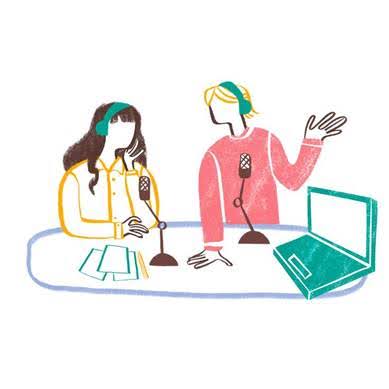
A podcast is essentially a scheme of constructing and making available audio content that users can subscribe to and listen to at their convenience, such as in a radio show, but on a digital platform. The start of a podcast is a great method of disseminating ideas, gaining an audience, and cementing oneself in a subject. It is cheap, intimate, and excellent for reaching out to particular enthusiasts or marketing a brand. It is a form of creativity and learning among students as well.
This student podcasting guide aims to empower young voices by offering clear steps for launching a show. At the initiation phase, think about the purpose. Whether discussing academic insights, student life, or storytelling, this student podcasting guide sets a solid foundation. The process of audio content creation trains you in critical thinking, teamwork, and good communication with others in a most interesting way and helps you grow personally and professionally.
Idea & Planning
Step 1: Generate Ideas and Choose a Topic
Begin with brainstorming ideas, like community interest stories, debate, academic interest, or personal passions, depending on your target population. Think of an attractive name and prompts to encourage creativity. Next, choose a focused topic that is realistic, attainable, and significant.
Step 2: Decide Format and Team Roles
Select a format of your suitability, it can be an interview, a conversation, a solo monologue, or even an audio drama. Once decided, assign different roles: host, producer, editor, researcher, and scriptwriter.
Scheduling & Structure
Step 3: Create Publishing Schedule and Content Calendar
Determine the consistent post schedule; weekly or twice a week will be good. Pick episode topics a few weeks in advance so that there is consistency and regularity to keep your audience engaged and wanting more.
Step 4: Outline Every Episode
Divide every episode into the following structure: an introduction, a main body, interviews, and a conclusion. A 30-40 minutes outline can take care of the unwanted fillers and help maintain a tight flow.
Recording and Audio Content Creation
Step 5: Gears to Make Audio Content Creation
To record a podcast, you can begin with minimal things; USB mic or even a smartphone, earphones, headphones, and free audio editing software such as Audacity or GarageBand. To help reduce noise, there are accessories such as pop filters and a mic stand.
Step 6: Recording Podcast
Ensure that you choose an environment that is away from distractions and noise when you are recording the podcast. Keep it at eye level, set the mic at 6 to 12 inches of height, avoid clipping, and begin with room tone.
Editing & Publishing Recording, Audio Content Creation
Step 7: Editing Podcast
The next step is to edit, trim silences, balance levels, clean noise, and EQ compress. For this, you can use Audacity or any other program capable of doing so. To provide a smooth tone, use branded openings and closings.
Step 8: Uploading Podcast
You should publish or post your episodes on sites like Anchor, Podbean, or Libsyn after editing and finalising the podcast. These will assist you in creating directories like Google Podcasts, Apple Podcasts, and Spotify right now. which individuals would be able to simply obtain.
Growth
Step 9: Growth and Promotion
Share your episodes using social media platforms, newsletter, and even the school network. Create audiograms or teasers as well. Engage the listeners through voice notes, polls, or questions. All this helps with consistency; this fosters a loyal community.
Step 10: Use Analytics for Iteration and Learning
The next step is to monitor downloads, drop-off points, and demographics. All of this automated data will be the basis for improvement on the length of the episode, the topic, and the pace. Ask for honest reviews and feedback from your listeners so you can develop your show over the years.
Conclusion
Creating a podcast as a student renders you the opportunity to teach, interact with other individuals, and express yourself while showcasing your skills and personality. This student podcasting guide stipulates helpful steps to help you launch successfully: Idea & Planning, Scheduling & Structure, Recording & Audio Content Creation, Editing & Publishing, and Growth. Your critical thinking, communication, creativity, teamwork, and confidence will all get stronger as you carry out this student podcasting guide and become an expert at audio content creation for each podcast employing this guide. Additionally, you will pick up media literacy. With this indispensable student podcasting guide, I wish you luck as you start your podcasting career and become highly skilled at crafting audio content for each episode.
FAQs
Q1. What is a podcast?
A podcast is a digital audio series that people can subscribe to and listen to whenever they want.
Q2. Why should students start a podcast?
Starting a podcast helps students share ideas, develop skills, and connect with others in a creative way.
Q3. What equipment is required to record a podcast?
Basic tools include a microphone, headphones, and free editing software like Audacity or GarageBand.
Q4. How do I choose the right theme for a podcast?
Pick a theme that reflects your interests, whether it’s storytelling, academic topics, or campus life.
Q5. What formats can a podcast take?
Podcasts may be interviews, solo talks, group discussions, or even audio dramas.
Q6. How important is editing in making a podcast?
Editing improves sound quality, removes pauses, balances audio, and creates a polished listening experience.
Q7. Where can I publish my podcast episodes?
You can upload to platforms like Spotify, Apple Podcasts, or Google Podcasts through hosting services.
Q8. What are good ways to promote a podcast?
Promotion can be done through social media, newsletters, teaser clips, or school communities.
Q9. How does analytics help with a podcast?
Analytics track listeners, demographics, and trends, helping creators improve future episodes.
Q10. What skills can students gain from running a podcast?
Students develop confidence, communication, teamwork, and digital literacy that benefit them beyond academics.
References
- EdisonLearning. (2021). 3 ways students benefit from classroom podcasting. EdisonLearning. https://www.edisonlearning.com/blog/3-ways-students-benefit-from-classroom-podcasting/
- MoldStud. (n.d.). Podcasting for beginners: Step by step guide for success. MoldStud. https://moldstud.com/articles/p-how-to-start-a-successful-podcast moldstud.com+1podcastle.ai+1
- NPR. (2018, November 15). Starting your podcast: A guide for students. NPR. https://www.npr.org/2018/11/15/662070097/starting-your-podcast-a-guide-for-students npr.org+2npr.org+2wbur.org+2
- Reddit. (2020, September 1). Starting a podcast advice: Complete noob here. r/podcasting. Reddit. https://www.reddit.com/r/podcasting/comments/ikgpf0/starting_a_podcast_advice_complete_noob_here/ reddit.com
- Wired. (2022, February 18). Here’s the gear you need to start your own podcast. Wired. https://www.wired.com/story/best-podcast-and-livestream-gear
Penned by Mehak
Edited by Sneha Seth, Research Analyst
For any feedback mail us at [email protected]
Streamline Your Hiring with Eve Placement’s Custom Assessments
Eve Placement helps you engage, assess, and recruit top talent through tailored hiring challenges that go beyond resumes. From technical quizzes and real-world case studies to psychometric evaluations and audio/video submissions, our platform enables smarter, data-driven hiring decisions. Advanced security features ensure authenticity and eliminate fraud, giving you reliable results. Ready to hire better? Know More.
Mail us at [email protected]