
7 Effective Ideas to Increase Student Personal Branding
In today’s competitive job market, student personal branding has become just as important as academic performance. It is no longer necessary to draw judgments on employers based on grades, degrees, or academic institutions.
They also want to know how you package yourself, the values, and the skills that you have. This is where LinkedIn job success plays a vital role. Developing an effective digital appearance helps students to create opportunities way ahead of their entry into the real world.
When approached strategically, student personal branding not only sets you apart from other candidates but also helps you establish credibility. With the right techniques, you can transform your presence on professional platforms and ensure long-term LinkedIn job success.
Why is Personal Branding Important to Students?
Personal branding does not only entail a refined resume. It is what you say about yourself, what you are capable of, and how employers should hire you. In the case of students, it is about ownership of their professional self as early as possible.
A recruiter can easily check online profiles of candidates before calling them in to interview, and so, having a strong brand can be the key to opportunity or being passed over.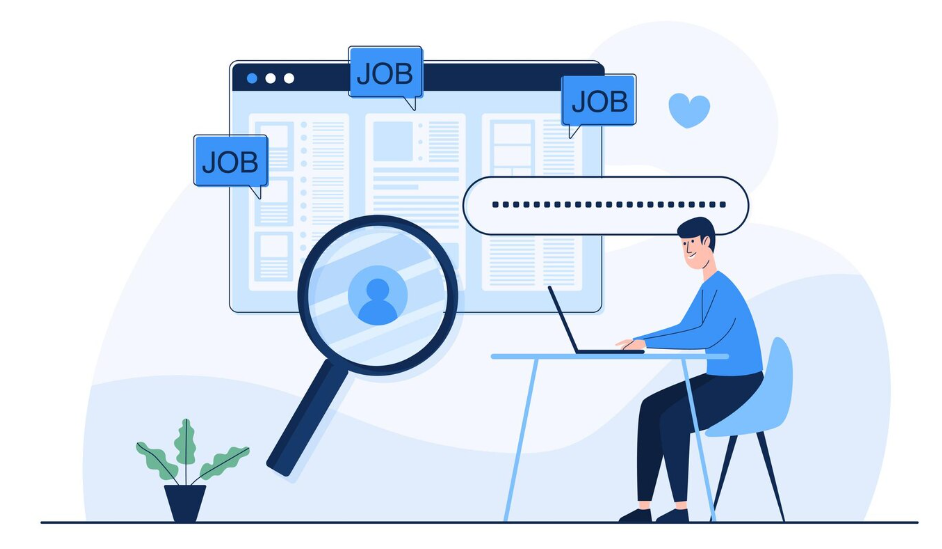
Creating Your Personal Unique Value Proposition
The unique selling point of every brand is present, and so is yours. Figure out strengths, skills, and passions. What is it that sets you apart as a student from other students in your field?
It can be your leadership skills, your technical or creative competence, but whatever the case, your value selling point allows potential recruiters to remember you.
Action point: Write a list of three of your strong points and make short statements of them, which you will describe with assurance. An example would be to say, “I lead collaborative projects that always get results” rather than saying, “I am good at teamwork.”
Making Your LinkedIn Profile Work in a Job Search
It is not optional anymore to have a professional online presence. Because the majority of recruiters use LinkedIn to filter through the candidates, an optimized profile will make your candidature more visible and will add credibility to your candidature.
- Make use of a professional photo and background banner
- Use a clear keyword-packed headline (e.g., Marketing Students/Content Creator/ Future Brand Strategist).
- Compose a summary that shows your ambitions, values, and achievements.
- Including projects, internships, certifications, and volunteering are additional ways to demonstrate practical skills.
The key to LinkedIn job success is an updated and in-depth, authentic profile.
Designing and communicating meaningful content
Consistent sharing of valuable content is one of the best ways of building your brand. Students may post on industry trends, lessons about their internships, or other experiences on how they have grown.
In the long term, this makes you one of the thought leaders in your peer group.
Accessing content by industry experts also creates visibility. A comment or opinion on a current topic can interest future employers.
Networking with a Purpose
It is all about relationships and not qualifications. Students need to construct meaningful networks. Network with alumni, professionals in your career field, and recruiters through individual messages.
The networking is not about seeking jobs, but it is about building relationships that have the potential of leading to opportunities in the future.
Tip: Use LinkedIn groups in your areas of interest. Engage in the discussions, and it will increase your profile visibility and student personal branding.
Demonstrating Non-Academic Achievements
Employers are more attracted to candidates who possess other qualifications besides being academically qualified. Show extra-curricular activities that include leadership activities, sports, volunteering, or organizing events.
The experiences exhibit transferable skills such as problem-solving, teamwork, and flexibility, all of which are essential to success at work.
Sustaining Cross-Platform consistency
The online presence of your brand needs to be uniform everywhere you are present online. A close match in consistency between tone, style, and messaging is a requirement, whether it is hosted on LinkedIn, a personal blog, or a digital portfolio.
Recruiters may end up confused when they see creativity as mentioned in your resume, and something that is entirely contradictory to your social media. By being consistent, you create trust and fix your professional identity.
Lifelong learning and Skill formation
The labor market is dynamic, and the students have to keep up with the pack by acquiring new skills. On ascribing, online courses, workshops, and certification courses are not only a way of increasing knowledge but can also serve as a demonstration of dedication to improvement. Employers would respond to the candidates who show potential inspiration and flexibility.
What is the Role of Feedback in Personal Branding?
Brand building is not a process that can be completed once; it is an ongoing process. Get help on your resume, LinkedIn profile, and personal pitch by asking mentors, peers, and professionals.
Candid feedback serves as refining your image and that your brand will always be relevant as per industry considerations.
Conclusion: Student Personal Branding to Grow Career
In today’s digital-first world, student personal branding is no longer optional—it is the foundation of career success. Students can make themselves heard in the job market by building the strong value position, having a professional LinkedIn profile, and presenting relevant accomplishments.
The engaged networking, cross-platform consistency, and a dedication to ever-learning make this identity even stronger.
Ultimately, those who invest in personal branding early position themselves for LinkedIn job success and long-term professional growth. It takes work and planning but the rewards at the end are worth it in visibility, credibility and opportunity.
For students entering the job market, mastering student personal branding today sets the stage for career breakthroughs tomorrow, ensuring lasting LinkedIn job success.
Commonly Asked FAQs:
1. What is student personal branding and why is it important?
Student personal branding is the intentional process of shaping how you are perceived by potential employers, peers, and industry professionals. It goes beyond grades and degrees by showcasing your values, skills, and achievements.
In today’s competitive job market, recruiters look for candidates who can clearly communicate their unique strengths and demonstrate professional readiness.
Building your student personal branding early helps you establish credibility and stand out among other applicants.
2. How do I start building my student personal branding?
The first step is self-awareness. List out your top three strengths, skills, and passions to form your unique value proposition. Once you know what differentiates you, update your resume, LinkedIn profile, and personal bio to reflect that message.
Use professional photos, craft a strong headline, and write a summary that highlights your goals and personality. This foundation will guide every step of your personal branding journey.
3. How can LinkedIn support student personal branding?
LinkedIn is one of the most powerful tools for student personal branding because it is the platform most recruiters use to discover candidates. Make sure your profile is complete with a professional picture, keyword-rich headline, and detailed experience section.
Share relevant posts, comment on industry discussions, and connect with alumni or professionals in your target industry.
A strong LinkedIn presence not only increases visibility but also positions you as an active and engaged learner.
4. What type of content should I post to strengthen my personal brand?
Consistency in sharing content is key. Students can post about lessons from internships, reflections on industry news, or personal achievements.
You can share book summaries, comment on current trends, or even create short posts about skills you are learning.
Thoughtful content builds your reputation as someone who is informed and engaged in your field, which can significantly enhance your student personal branding.
5. Can extracurricular activities be part of student personal branding?
Absolutely. Employers value well-rounded candidates who have skills beyond academics. Highlight leadership roles, event organization, sports participation, volunteering, or creative projects on your resume and LinkedIn.
These experiences demonstrate transferable skills such as problem-solving, collaboration, and initiative—qualities that are crucial for professional success.
6. How do I network strategically as a student?
Networking with a purpose means focusing on building authentic relationships rather than simply asking for jobs. Connect with professors, alumni, and industry professionals and engage with their posts or comment thoughtfully in LinkedIn groups.
You can also attend virtual events and webinars to interact with recruiters and thought leaders. This steady approach to networking builds trust and expands your reach over time.
7. How does cross-platform consistency affect student personal branding?
Consistency across platforms is essential because recruiters often look at multiple profiles before making a decision.
Your tone, messaging, and style should be aligned across LinkedIn, digital portfolios, and social media.
If you claim creativity as one of your strengths, your online presence should reflect that through well-designed visuals or insightful posts. Cross-platform consistency builds trust and presents you as a professional with a clear identity.
8. What role does lifelong learning play in student personal branding?
Lifelong learning is a key pillar of student personal branding. Employers value candidates who are adaptable and eager to grow.
Taking online courses, earning certifications, or attending workshops not only adds to your skill set but also signals that you are proactive about your development. Share your learning journey on LinkedIn to showcase your commitment to self-improvement.
9. How do I measure the effectiveness of my student personal branding?
Tracking your progress helps refine your strategy. You can measure success by monitoring profile views, connection requests, and engagement with your posts.
Keep a record of the networking conversations you initiate and any interview invitations or opportunities that result. Feedback from mentors or career counselors can also help identify gaps in your branding and improve your positioning.
10. Should I customize my personal brand for each job application?
Yes, tailoring your student personal branding for specific roles is an effective strategy. While your overall brand remains consistent, you can highlight specific skills, projects, or achievements that match the job description.
This customized approach makes your application more relevant and demonstrates that you have researched the role thoroughly.
11. How do I write an impactful LinkedIn headline and summary?
Your headline should be keyword-rich and clearly communicate what you do or aspire to do (e.g., “Business Student | Aspiring Financial Analyst | Data Enthusiast”).
The summary should be a concise but compelling narrative of who you are, your values, and what you hope to achieve.
Including a call-to-action like “Open to collaborations and internships” can also attract opportunities.
12. Can student personal branding help me before graduation?
Definitely. The earlier you begin building your brand, the stronger your professional identity will be by the time you graduate. Many students secure internships, part-time roles, or
freelance projects through networking and personal branding before completing their degrees.
This gives you a competitive edge and real-world experience that recruiters value.
13. How do I handle negative online presence when building my brand?
Audit your online presence by searching for yourself on Google and reviewing your social media profiles. Remove or hide posts that might harm your professional image.
Moving forward, ensure that everything you post aligns with your student personal branding goals and represents you in a positive light.
14. How do I stand out when everyone is building a personal brand?
Authenticity is the ultimate differentiator. Instead of copying others, focus on what makes you unique. Share your personal experiences, lessons learned, and creative ideas.
Highlight niche skills, volunteer work, or passion projects that reflect your individuality. Recruiters notice candidates who are genuine and consistent over time.
15. What role does feedback play in student personal branding?
Feedback is crucial because it helps you refine and improve your brand. Share your resume, LinkedIn profile, or elevator pitch with mentors, professors, and peers to get constructive criticism.
Use their suggestions to make your personal brand more relevant and industry-aligned. Regular feedback ensures that your branding remains fresh and effective.
16. Is student personal branding only about getting a job?
No, personal branding has benefits beyond job search. It can help you build a network, attract mentors, open up opportunities for collaborations, and create a professional reputation that lasts throughout your career.
Think of it as an investment in your future rather than a one-time job-hunting activity.
17. Can I build a personal website as part of my branding?
Yes, a personal website or portfolio can significantly boost your student personal branding. It serves as a central hub where recruiters can see your resume, projects, blog posts, and contact details.
A professional website adds credibility and gives you complete control over how you present yourself online.
18. How do I maintain motivation to work on my personal brand consistently?
Set small, achievable goals like posting once a week, connecting with five professionals, or completing one online course per month.
Celebrate milestones and remind yourself that building student personal branding is a long-term process that will pay off in opportunities, credibility, and confidence as you grow.
19. How can I showcase my achievements without sounding arrogant?
The key is to focus on outcomes and learning rather than self-praise. Use storytelling to explain what challenge you faced, what actions you took, and what results you achieved.
A humble but confident tone demonstrates professionalism and maturity.
20. How does student personal branding influence long-term career growth?
Student personal branding lays the foundation for your entire professional journey. It shapes how people perceive you, helps build a reputation in your field, and creates a network that supports your growth.
The habits you form while branding yourself as a student will continue to serve you as you transition into full-time roles, leadership positions, and beyond.

References
[1] “EBSCOhost Login,” search.ebscohost.com. https://search.ebscohost.com/login.aspx?direct=true&profile=ehost&scope=site&authtype=crawler&jrnl=09738479&AN=137424418&h=C9lOmY55s5BzZxwhKg6yIbi4EOKlNlHUcpWsV8TIjPcag7dwgbzc2iIyiWaNVGidVvjUw%2FcGPoAUEV2xjqY8Sw%3D%3D&crl=c
[2] L. Harris and A. Rae, “Building a personal brand through social networking,” Journal of Business Strategy, vol. 32, no. 5, pp. 14–21, Sep. 2011, doi: https://doi.org/10.1108/02756661111165435.