
Social Media Strategies That Will Skyrocket Your College Societies
How Volunteering Impacts a Student
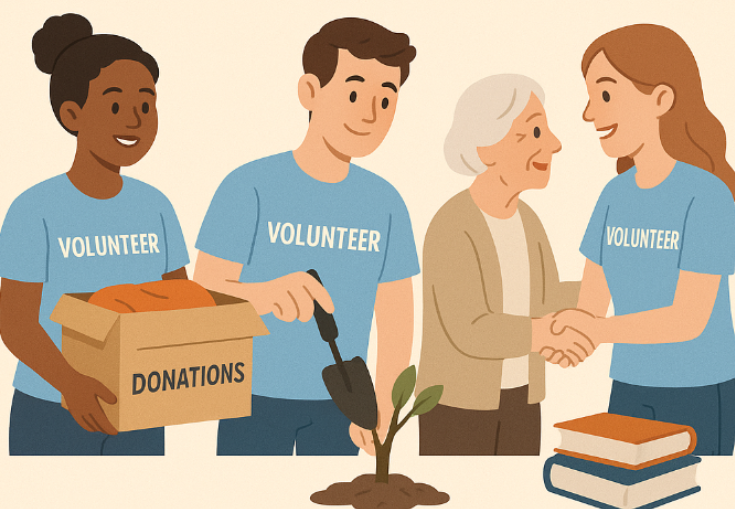
Volunteering can really shape your college life. It starts with motivation—as an incipient volunteer, you see the world in a new way. It is a way of seeing the world and opening your eyes to a different way of life; it can really make you want to be better, more compassionate, and more aware.
It also assists with networking. You get to know people on a more spiritual level when you’re a student volunteering. It also fills in those gaps on your resume from a professional perspective too. It shows that you’re a mover and a shaker who’s also willing to pitch in.
It builds in so many skills—teamwork, communication, leadership, problem-solving, adaptability, and decision-making. You’re exposed to real-life situations where you have to use these skills.
Why Students Volunteer
There are many reasons students take up volunteering. According to data, around 91% of volunteering students said their reason was “helping the society.” Fewer than half named other reasons, such as acquiring new skills (43 percent), working with people unlike themselves (38 percent), learning about academic subjects (38 percent), and fulfilling a civic or social responsibility (30 percent). The least selected reason was “to boost my résumé”—that was just 13 percent. So most are not motivated by trying to put a line on the CV.
Indeed, most of them really want to do something that is meaningful, as opposed to a check-the-box activity in the CV.
Volunteering Ideas
Here are some simple but meaningful ways to volunteer during college:
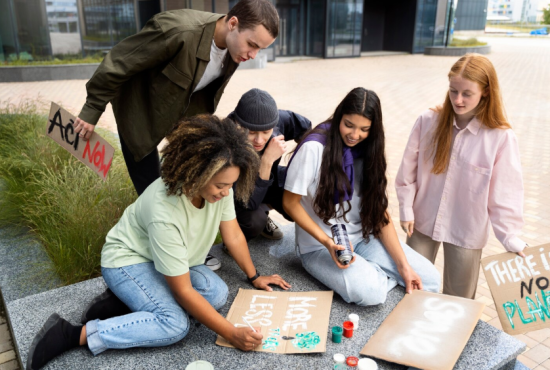
- Social media campaigns: This not only builds skills but also benefits the NGO.
- Fundraising Events: Students may participate in fundraising drives targeted at the medical emergencies on a case-to-case basis or other projects initiated by NGOs.
- Community Cleanups: Students can volunteer to participate in the cleanup of parks, roads, or any other local areas. The projects also foster community spirit.
- Animal Care: Students can form groups to feed and take care of animals. Some colleges have campus pets, and student volunteers take care of them.
- Tutoring Underprivileged Kids: Teaching kids who don’t have access to proper education is one of the most powerful things students can do. It also gives exposure to different realities.
- Blood Donation Drives: These drives can be organized or supported by students in collaboration with hospitals or health foundations through their colleges.
- Social Entrepreneurship Clubs: Many colleges have clubs that help connect products made by marginal communities to buyers. This supports livelihoods while giving students business experience. Social Entrepreneurship Clubs: It is common for colleges to have clubs that assist in the marketing and sale of products made by marginal communities. It not only provides the community with a source of income but also gives students some business exposure.
- Workshops: Students can conduct community service workshops to teach useful skills like effective communication, basic computers, financial literacy, and other relevant skills.
How You Can Connect
It starts with joining college clubs, student communities, or NGOs. Most of them accept volunteers and also offer certificates that can boost your resume. These communities motivate and provide opportunities for the students to help other students. Reaching out to seniors, professors, or placement cells can also be helpful.
These individuals tend to be very informed about these opportunities. As always, you may inquire with seniors, professors, or placement cells—they usually have some information regarding volunteering opportunities.
Conclusion
Volunteering benefits you and also allows you to help others. It boosts your confidence, skill set, and how you perceive the world. It helps you mentally and emotionally and professionally too. If you want to start, start small. Participate in college clubs, help out in some drives, or back some campaigns big or small. Volunteering in college can greatly impact you and those around you.
Commonly asked FAQs:
1. What is student volunteering?
Student volunteering is when students donate their time and skills to help individuals, communities, or causes without expecting financial compensation. This could include organizing events, tutoring children, assisting in environmental projects, or participating in charity drives. It allows students to contribute to society while developing their personal and professional abilities.
2. Why do students choose to volunteer?
The main reason is to help society—research shows that over 90% of student volunteers are driven by the desire to make a difference. Other motivations include acquiring new skills, meeting people from diverse backgrounds, learning about specific topics, and fulfilling civic or social responsibilities. While résumé-building is a bonus, it’s rarely the primary goal.
3. How does student volunteering benefit personal growth?
Volunteering can completely change a student’s perspective on life. By working closely with communities or causes, students become more compassionate, aware, and adaptable. It can also increase self-confidence and help develop emotional intelligence, as volunteers learn to interact with people from varied walks of life.
4. What professional skills can be developed through student volunteering?
Teamwork – collaborating with diverse groups.
Communication – adapting messages for different audiences.
Leadership – managing tasks, events, or teams.
Problem-solving – finding solutions in real-world situations.
Adaptability – adjusting to new environments and challenges.
Decision-making – choosing effective approaches under pressure.
5. Does student volunteering help with networking?
Yes. Volunteering connects students with peers, community leaders, NGOs, and sometimes even industry professionals. These relationships can provide mentorship, internship leads, and career advice. Networking through volunteering often feels more genuine because it’s built on shared values rather than formal introductions.
6. Can student volunteering help my career?
Absolutely. While most students volunteer for personal satisfaction, the skills and experiences gained can enhance employability. Volunteering shows initiative, reliability, and a willingness to contribute—qualities employers seek. It also fills résumé gaps and provides concrete examples for job interviews.
7. What are some popular student volunteering ideas?
Social media campaigns to raise awareness for NGOs.
Fundraising events for community needs or emergencies.
Community cleanups to improve local environments.
Animal care programs for stray or campus animals.
Tutoring underprivileged kids to improve education access.
Blood donation drives in collaboration with hospitals.
Social entrepreneurship clubs that support marginalized communities.
Workshops teaching skills like digital literacy or financial management.
8. Do I need prior experience to start student volunteering?
No prior experience is required. Most volunteering roles provide guidance and training. Enthusiasm, reliability, and willingness to learn are more important than specific qualifications.
9. How can I find student volunteering opportunities?
Join college clubs or student-led organizations.
Connect with local NGOs and community centers.
Ask professors, seniors, or the placement cell for leads.
Look for volunteer postings on college notice boards or social media groups.
Participate in community events and charity campaigns.
10. Are there benefits to student volunteering beyond skills?
Yes. Volunteering can improve mental well-being by giving students a sense of purpose. Helping others can reduce stress, increase happiness, and build resilience. It also allows students to feel part of something larger than themselves.
11. How much time should a student volunteer dedicate?
The time commitment depends on the role. Some activities require only a few hours a week, while others may be project-based over several months. It’s important to balance volunteering with academic and personal responsibilities.
12. Can student volunteering be done online?
Social media management
Online tutoring
Graphic design for campaigns
Content writing for awareness initiatives
This is ideal for students with busy schedules or those who cannot travel.
13. Is volunteering only about charity work?
No. While charity is one aspect, student volunteering can also focus on education, environmental sustainability, entrepreneurship, and cultural exchange. It’s about contributing to positive change in any form.
14. How can volunteering impact a student’s worldview?
Exposure to different communities and challenges can make students more empathetic and socially aware. It helps break stereotypes, understand inequalities, and appreciate cultural diversity, making them more responsible global citizens.
15. Are there academic benefits to student volunteering?
In some institutions, volunteering counts towards extracurricular credits or service-learning requirements. Even if not officially recognized, the learning gained from volunteering complements academic knowledge with practical application.
16. What should I expect when starting my first volunteer role?
Expect to learn and adapt quickly. The environment may be different from what you’re used to, and the tasks may be challenging. Staying open-minded and proactive will make the experience more rewarding.
17. How do I choose the right volunteering activity?
Consider your interests, available time, and skills you want to develop. For example, if you enjoy working with children, tutoring may be ideal. If you’re passionate about nature, community cleanups could be more fulfilling.
18. Can student volunteering lead to paid work?
While volunteering is unpaid, it can sometimes lead to internships or job offers if you impress the organization with your dedication and skills. Many employers prefer candidates with relevant volunteer experience.
19. How do I record and present my volunteering experience?
Keep a log of your activities, hours, and accomplishments. Ask for certificates or recommendation letters when possible. Highlight key projects and skills in your résumé and LinkedIn profile.
20. What’s the first step to begin student volunteering?
Start small. Attend an event, join a club, or help with a short-term project. Once you find an area you’re passionate about, you can commit to larger or long-term roles.

References
This article is based on stats and information from various websites:
[1] A. W. Astin and L. J. Sax, “How undergraduates are affected by service participation,” Journal of College Student Development, 1998. [Online]. Available: Google Scholar (PDF).
[2] C. Holdsworth, “Why volunteer? Understanding motivations for student volunteering,” British Journal of Educational Studies, vol. 58, no. 4, 2010. [Online]. Available: JSTOR.
[3] NACE, “Why volunteering matters for career readiness.” [Online]. Available: https://www.naceweb.org
[4] NG Career Strategy, “Why volunteering is a good career move.” [Online]. Available: https://www.ngcareerstrategy.com
[5] LinkedIn, “Volunteer experience on your resume.” [Online]. Available: https://www.linkedin.com
[6] Harvard Business Review, “The unexpected benefits of volunteering.” [Online]. Available: https://hbr.org
Penned by Khushi Basediya
Edited by Seema Acharya, Research Analyst
For any feedback mail us at [email protected]
Streamline Your Hiring with Eve Placement’s Custom Assessments
Eve Placement helps you engage, assess, and recruit top talent through tailored hiring challenges that go beyond resumes. From technical quizzes and real-world case studies to psychometric evaluations and audio/video submissions, our platform enables smarter, data-driven hiring decisions. Advanced security features ensure authenticity and eliminate fraud, giving you reliable results. Ready to hire better? Know More.
Mail us at [email protected]