
Introduction
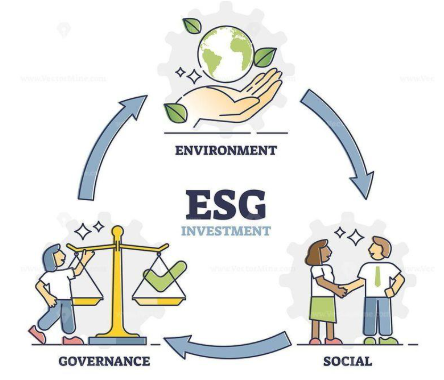
The Environmental, Social, and Governance (ESG) standards are a mandatory option when striving to sustain an organization in the long term and meet regulatory constraints. Companies are increasingly recognizing that ESG stakeholder engagement is essential for creating shared value and building lasting trust. In this respect, an efficient interaction with community stakeholders transforms into a nice-to-have aspect into a critical constituent of ESG reporting. The effectiveness of such collaborations is the pathway to meaningful ESG reporting, as it can be understood properly what local concerns are, and as it can align the sustainability goals with the community needs.
This article addresses five strategic options that organizations can utilize in making community engagement more effective and the results of their ESG more resilient. Whether you are a corporate leader, a compliance officer, or a consultant, these insights will help sharpen your approach to social impact consulting and community inclusion in ESG frameworks.
Know the Context of Your Stakeholders Using Inclusive Mapping
You must identify your stakeholders before any engagement can be carried out. A thorough, engaging stakeholder mapping exercise will enable organizations to determine community members, local NGOs, advocacy groups, and others that are either directly or indirectly affected by business operations. It requires everyone to be included in the process so that marginalised people are not neglected.
Stakeholder mapping is also able to help businesses tailor engagement strategies. One example is that the communication medium of a farming community in the rural environment will not be the same as that of a labour union in the urban setup. This foundational step makes sure that your ESG stakeholder engagement strategy is embedded in real-world contexts, which in turn improves relevance and receptivity.
Co-Create Goals with Community Input
Engagement with authentic community stakeholders goes beyond unidirectional communication. Companies also need to co-design the ESG goals in collaboration with the coalition of local voices, as opposed to simply informing the community of the company’s practice. The transparency and long-term trust may be achieved with the help of a participatory approach.
Accountability can be changed through workshops, town halls, and community-led audits. Employing these channels, companies get feedback on proposed initiatives so they can employ sustainability initiatives, environmentally friendly practices, and local development initiatives. Social impact consulting firms frequently enable such dialogues to narrow the gap between corporate strategy and grassroots needs.
Use Local Expertise to Increase ESG Performance
The knowledge concerning the environmental conditions, socio-economic, and cultural practices is sometimes rooted in the local communities. Bringing this information into ESG reporting introduces a sense of authenticity and detail to your measures.
To use an example, instead of simply quantifying the carbon offset activities, companies can provide community input as to the changes in the ecology or a transition in the local biodiversity. This further solidifies the ESG reports and makes them accurate representations of the situation and highly believable by the shareholders as well as the regulating community.
Businesses show a dedication to shared ownership and improve the general calibre of their ESG stakeholder engagement procedures by incorporating community members in data gathering and verification.
Institute Long-Term Methods of Feedback
Single events seldom take place as sustainably. In order to create sustained participation in society, organizations should initiate systems of continuous feedback. This may involve establishing the local advisory boards, frequent surveys, or an online complaint and suggestion portal.
The latter are real-time social impact sensors and enable companies to rectify the course when necessary. The consistency of interaction also signals to communities that their voices are valued, further reinforcing the effectiveness of social impact consulting initiatives and ESG compliance.
Explain and Follow up on Feedback Communicated
Lastly, any stakeholder engagement strategy cannot be complete unless it observes proper communication to the stakeholders; in a timely and in transparent manner. Once information and actions are collected, organizations should loop back to the stakeholders to inform them about outcome and decisions.
Such practice is not only legalizing community make-up, but also goes into the creation of a resilient reputation. It involves more than just reporting data; it involves being able to communicate an impact story in a way that communities and regulators will find compelling. The effect of your ESG stakeholder engagement can be increased with the use of localised reporting, summary infographics, and excellent visual dashboards.
Conclusion
ESG stakeholder engagement is a strategic necessity for businesses looking to strike a balance between profitability and purpose in today’s accountability-driven environment. What was acceptable before as legal has changed, and now companies must make an effort in the long-run to initiate social gains, transparency, and community engagement.
Businesses may maximize the potential of their social impact consulting endeavours and make a significant contribution to sustainable development by using these five strategies: stakeholder mapping, co-creation, knowledge integration, continuous feedback, and transparent reporting.
Commonly Asked FAQs:
1. What is ESG stakeholder engagement and why does it matter?
ESG stakeholder engagement is the process of involving community members, local organizations, NGOs, regulators, and other interest groups in shaping a company’s Environmental, Social, and Governance initiatives.
It ensures that ESG efforts are relevant, inclusive, and aligned with real-world needs. Using ESG stakeholder engagement strategies helps businesses build trust, reduce risks, and create shared value with the communities they impact.
2. Who qualifies as a community stakeholder in ESG reporting?
Community stakeholders include residents near business operations, local authorities, advocacy groups, labor unions, indigenous groups, NGOs, and sometimes customers who are directly affected by a company’s activities.
Effective ESG stakeholder engagement strategies recommend identifying all groups through a thorough mapping process to ensure no one is left out, particularly vulnerable populations.
3. What are the first steps to building a strong ESG stakeholder engagement plan?
The first step is stakeholder mapping — identifying all the relevant voices that need to be heard. Then, conduct a materiality assessment to understand which ESG issues matter most to both your business and the community.
ESG stakeholder engagement strategies suggest combining surveys, interviews, and public data to create a clear picture of stakeholder priorities before launching initiatives.
4. How does co-creation with communities improve ESG outcomes?
Co-creation allows stakeholders to contribute to decision-making rather than just being informed of outcomes. This builds trust and ensures that ESG programs address real concerns.
For instance, companies might host workshops or town halls to gather input on sustainability projects. ESG stakeholder engagement strategies highlight that this participatory approach creates more effective and widely supported initiatives.
5. Why is inclusivity important when designing ESG initiatives?
Inclusivity ensures that marginalized groups, such as rural communities or underrepresented voices, are not excluded from conversations.
ESG stakeholder engagement strategies emphasize using accessible communication methods (local languages, radio, visual formats) so that all stakeholders can understand and participate. Inclusive processes lead to more equitable and sustainable solutions.
6. How can businesses use local expertise in ESG reporting?
Local expertise provides context-rich insights into environmental and social issues. For example, community members might share knowledge about changes in water quality, biodiversity, or cultural practices that affect operations.
ESG stakeholder engagement strategies recommend involving local representatives in data collection and verification to make ESG reports more credible and grounded in reality.
7. What are the benefits of continuous feedback loops in stakeholder engagement?
Continuous feedback ensures that ESG programs stay relevant over time. Instead of one-time consultations, companies can establish advisory boards, digital feedback portals, and regular surveys. These loops help organizations respond quickly to issues, refine strategies,
and demonstrate accountability. ESG stakeholder engagement strategies stress that consistency builds long-term trust and collaboration.
8. How should companies report back to stakeholders after collecting input?
Reporting back closes the loop and shows that stakeholder voices are respected. Companies can use summary reports, infographics, community meetings, or digital dashboards to communicate results.
ESG stakeholder engagement strategies recommend being transparent about which suggestions were implemented, which were not, and why, to maintain credibility and trust.
9. How does stakeholder engagement influence ESG ratings and investor confidence?
Strong engagement demonstrates that a company is actively managing social and governance risks, which improves ESG scores. Investors value businesses that understand their impact and maintain strong community relations.
ESG stakeholder engagement strategies enhance reputation, reduce regulatory conflicts, and show commitment to long-term sustainability, which appeals to responsible investors.
10. What role do social impact consulting firms play in stakeholder engagement?
Social impact consulting firms act as facilitators, bridging the gap between corporations and communities. They bring expertise in conducting stakeholder mapping, designing engagement frameworks, and measuring impact.
ESG stakeholder engagement strategies often include hiring such firms to ensure neutrality, cultural sensitivity, and methodological rigor.
11. How can technology improve ESG stakeholder engagement?
Technology enables real-time communication and data collection. Companies can use apps, online surveys, and dashboards to gather feedback and share updates.
ESG stakeholder engagement strategies suggest integrating digital platforms with offline meetings to include both connected and non-connected populations, thus increasing reach and efficiency.
12. What challenges do companies face in stakeholder engagement?
Challenges include lack of trust, communication barriers, conflicting priorities, and engagement fatigue among communities. ESG stakeholder engagement strategies recommend addressing these challenges by being transparent, patient, and persistent while ensuring
that participation leads to visible action. Building relationships takes time but yields long-term benefits.
13. How can businesses measure the success of their stakeholder engagement programs?
Success can be measured through participation rates, diversity of voices included, satisfaction surveys, and the tangibl
e outcomes of engagement efforts (e.g., reduced community conflicts, improved ESG ratings). ESG stakeholder engagement strategies encourage companies to track both qualitative and quantitative metrics to evaluate impact.
14. Can stakeholder engagement reduce operational and reputational risks?
Yes, proactive engagement allows companies to identify and address concerns before they escalate into conflicts or protests. ESG stakeholder engagement strategies mitigate risks by creating a sense of partnership with the community, which leads to fewer disruptions and a stronger social license to operate.
15. How does cultural sensitivity factor into engagement strategies?
Cultural sensitivity ensures that communication respects local traditions, values, and norms. This might include choosing appropriate meeting times, using translators, or respecting gender roles in certain societies. ESG stakeholder engagement strategies recognize cultural understanding as a key factor in building trust and participation.
16. What internal teams should be involved in stakeholder engagement?
Stakeholder engagement should not be left to sustainability teams alone. Legal, communications, operations, and HR teams must collaborate to ensure alignment. ESG stakeholder engagement strategies work best when engagement is cross-functional and supported by leadership.
17. Are there legal or regulatory requirements for stakeholder engagement?
In many industries, engagement is part of compliance with environmental and social impact assessments. Regulators may require documented consultations. ESG stakeholder engagement strategies help companies go beyond compliance by turning these requirements into opportunities for meaningful collaboration.
18. How often should stakeholder engagement activities be conducted?
Engagement should be ongoing, not one-off. The frequency depends on the nature of operations and the level of community impact. ESG stakeholder engagement strategies recommend quarterly or biannual check-ins, with additional sessions when major changes or projects are planned.
19. Can stakeholder engagement be scaled across multiple locations?
Yes, but it requires a structured approach. Global companies can create a standardized framework while allowing for local customization. ESG stakeholder engagement strategies involve training local teams to manage engagement and ensuring consistency in reporting across regions.
20. How does transparent storytelling enhance ESG reports?
Telling impact stories with data and community testimonials makes ESG reports more engaging and credible. ESG stakeholder engagement strategies encourage using visuals, case studies, and local narratives to show the human side of sustainability efforts and build emotional connection with stakeholders.
References
[1] S. Freeman, R. Harrison, and A. Wicks, Managing for Stakeholders: Survival, Reputation, and Success, Yale University Press, 2007.
[2] R. K. Yin, Case Study Research and Applications: Design and Methods, 6th ed., Sage Publications, 2017.
[3] Global Reporting Initiative, “GRI Standards,” 2023. [Online]. Available: https://www.globalreporting.org/standards/
[4] M. Elkington, “Triple Bottom Line: Does it All Add Up?” in Measuring Business Excellence, vol. 2, no. 3, pp. 18-24, 1997.
[5] International Finance Corporation, “Stakeholder Engagement: A Good Practice Handbook for Companies Doing Business in Emerging Markets,” 2007. [Online]. Available: https://www.ifc.org