
4 Powerful Insights Driving the Return of Campus Brand Ambassadors
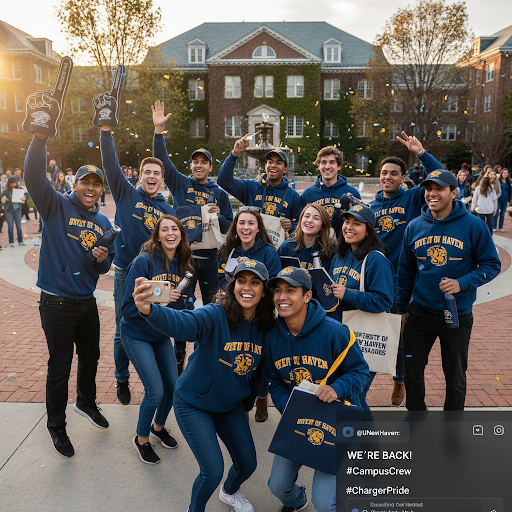
Table of Contents
Introduction
The Return of Campus Ambassadors
About Campus Ambassadors
Why Brands Are Returning to Campus Ambassadors
Cost-effectiveness
Peer-to-peer trust
Brand awareness
Content creation benefits
Impact statistics
Key Challenges in Campus Ambassador Programs
Maintaining authenticity
Measuring ROI
Recruitment issues
Best Practices for Successful Programs
Clear guidelines and training
Incentives for ambassadors
Building a sense of community
Empowering creativity
Leveraging technology
Conclusion
References
Placement brand ambassadors are making a powerful comeback in campus marketing, reshaping how brands and students connect. With the evolving landscape of student marketing, it has not only helped the firms but students as well, especially on campuses. Over the years, the role of campus ambassadors has increased manyfold with their return.
Read the article to know more about the role of campus ambassadors and how it is beneficial for all.
Back in the day, in the early 2000s, there was wide use of campus ambassadors, but that culture started fading away, and these days, with rising skepticism of Gen Z with traditional ads and fake advertisements, the rise of micro-influencers, and the cost-effectiveness and need for peer-to-peer influence, it has led to the return of the culture of campus ambassadors and in large numbers.
About Campus Ambassadors:
Campus ambassadors are student influencers and brand advocates who are also known as ‘placement brand ambassadors.’ They are our peers only around our campuses who are advocates of brands that promote their services, build brand image, and are a liaison between the brand and campus.
Why Brands Are Returning To Campus Ambassadors:
- It is cost-effective for brands, as ambassadors are paid a very small stipend or no stipend, and in return, their brand is being promoted around the campus. Brands have a very high return on investment (ROI).
- The awareness regarding the brand increases manyfold and is beneficial for the brand.
- As the brand is being promoted by our peers, the trust towards the brand increases, and there is deep engagement as well. Through promotion, these student ambassadors tend to gain deep connections with others, which is beneficial for them as well.
- Brands benefit from better content creation as user-generated content (UGC) is being made that resonates with people.
- According to statistics, around 14% of campus ambassadors can drive almost 80% of brand impact.
Challenges:
- Maintaining authenticity is one of the biggest challenges, as brands need to maintain authenticity among the young students who will prefer their products; it has to be original and unique from other brands.
- Measuring impact and return on investment (ROI): whether the ambassadors are being beneficial to the brand or not, what is the return on investment of hiring an ambassador?
- Recruitment of ambassadors is also one of the biggest challenges, as finding the right ambassador is very important for a brand, as that ambassador must have all the desired qualities, like talking to different types of people, engaging them with the brand’s products, highlighting its benefits, and being social in general as well.
Best Practices For Successful Programs:
- Clear guidelines and proper training for ambassadors, such that information is being promoted ethically.
- Meaningful incentives should be provided to students; even if monetary returns are not being provided, proper certificates should be given, which encourage other students to join as well.
- Create a sense of community among ambassadors so that everyone is there to help each other.
- Empowering creativity, brands should give their ambassadors full creative freedom to express themselves.
- Technology should be leveraged in promoting brands; various tools like SocialLadder can be used for onboarding, tracking, and communication.
Conclusion
In conclusion, the return of campus ambassadors is nice and beneficial for all in today’s generation. Brands get high rates of return on investment, whereas students get exposure by socializing and working with large brands.
With technological advancements and changing consumer behavior, there is a lot of growth in this field, especially for students. Its emphasis on peer-to-peer communication helps students connect with other peers, which is beneficial for all, and there is no disadvantage to it.
FAQs
What is a placement brand ambassador?
A student influencer who promotes brands on campus while connecting peers with products and services.Why are campus ambassadors returning?
Rising Gen Z skepticism toward traditional ads and cost-effective peer influence.How do placement brand ambassadors benefit brands?
They increase brand awareness, trust, and engagement at low cost.How do students benefit from being brand ambassadors?
They gain networking, exposure, certificates, and professional experience.Why are they called ‘placement brand ambassadors’?
Because they act as student advocates representing brands within their campus community.How cost-effective are campus ambassador programs?
They require minimal stipends and provide high ROI compared to traditional advertising.What role does peer-to-peer influence play?
It boosts trust and authenticity, making brand messages more relatable.How does user-generated content (UGC) help brands?
UGC resonates better with audiences and builds authentic engagement.What percentage of ambassadors drive most of the impact?
About 14% of ambassadors create nearly 80% of brand impact.What is the biggest challenge with campus ambassadors?
Maintaining authenticity among young, skeptical students.How can brands measure ROI from campus ambassadors?
By tracking engagement, conversions, and awareness metrics.What qualities should brands look for in ambassadors?
Social skills, communication ability, and creativity.What incentives should be given to ambassadors?
Certificates, recognition, networking opportunities, and small stipends.Why is training important for ambassadors?
To ensure ethical promotion and consistency in messaging.How does building community help ambassadors?
It creates support, collaboration, and shared motivation.How can creativity improve brand ambassador programs?
Giving students freedom makes campaigns more authentic and engaging.What technology can support campus ambassador programs?
Tools like SocialLadder for onboarding, tracking, and communication.Why is authenticity important in placement brand ambassadors?
Because students trust real peer opinions over scripted advertising.How do campus ambassadors compare to traditional advertising?
They are more trusted, affordable, and generate higher engagement.What is the future of placement brand ambassadors?
With digital tools and peer trust, their role will expand further.
References
[1] Sociocreator, “Campus Ambassadorship: How Student Influencers Grow Brands?” SocioCreator Blog, 12 Mar. 2025. [Online]. Available: https://sociocreator.com/blogs/campus-ambassadorship/. [Accessed: 23 Sept. 2025].
[2] StudentCircus, “How Can a Campus Ambassador Role Help You in Your Career,” StudentCircus Blog, [Online]. Available: https://studentcircus.com/blog/how-can-a-campus-ambassador-role-help-you-in-your-career. [Accessed: 23 Sept. 2025].
Penned by Mehak Behal
Edited by Seema Acharya, Research Analyst
For any feedback mail us at [email protected]
Streamline Your Hiring with Eve Placement’s Custom Assessments
Eve Placement helps you engage, assess, and recruit top talent through tailored hiring challenges that go beyond resumes. From technical quizzes and real-world case studies to psychometric evaluations and audio/video submissions, our platform enables smarter, data-driven hiring decisions. Advanced security features ensure authenticity and eliminate fraud, giving you reliable results. Ready to hire better? Know More.
Mail us at [email protected]