

The Rise of Digital Hiring
Recruitment strategies change as the world of hiring changes. As the pandemic moves towards working remotely and people start moving back to physical offices, employers are adopting hybrid hiring models a combination of remote and physical recruitment processes. The COVID-19 pandemic triggered major changes in labour markets and to working practices worldwide. Hybrid working has become mainstream, and today’s graduates are entering a substantially changed workplace to their pre-pandemic peers.
Multi Stream Digital hiring is the recruitment process that uses technology and the Internet to organize recruitment processes. This is changing due to the need for speed, accuracy and enhanced candidate engagement.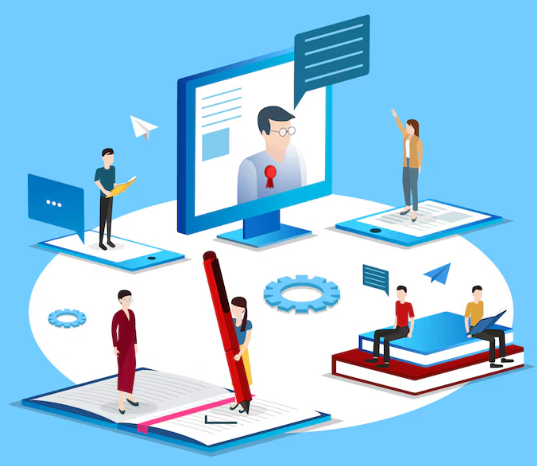
Some of the key advantages of using digital hiring are:
Time Saving: With resume screening and scheduling there is no manual labour.
Data-driven Decisions: Analytics can be used to identify the most suitable candidates based on their skills and experience.
Better Candidate Experience: Virtual interviews and virtual applications are simple and flexible
For example, many organizations use applicant tracking systems (ATS) that are integrated with AI to screen candidates based on keywords and qualifications. This saves time spent on manually reviewing resumes and guarantees that only those profiles that are most relevant are considered.
Availability of a Bigger Talent Pool: With hybrid model organizations are able to access talent both locally and internationally. The companies can access specialized skills wherever they are available without having to be tied to certain locations to hire people.
Increasing Candidate Experience: Applicants also like the option of virtual interviews and face-to-face meetings. Such inclusion creates a positive perception about the company. Cost and Time Efficiency
Virtual interviews save time and costs related to travel and logistics and yet provide the opportunity to conduct critical face-to-face evaluations in final stages where necessary.
Greater Diversity and Inclusion: A hybrid hiring model will be diverse as it targets employees with various geographic, cultural and socio-economic experiences.
Scale and elasticity: Remote to on-site process flexibility allows firms to change with swift market conditions and volume of hire.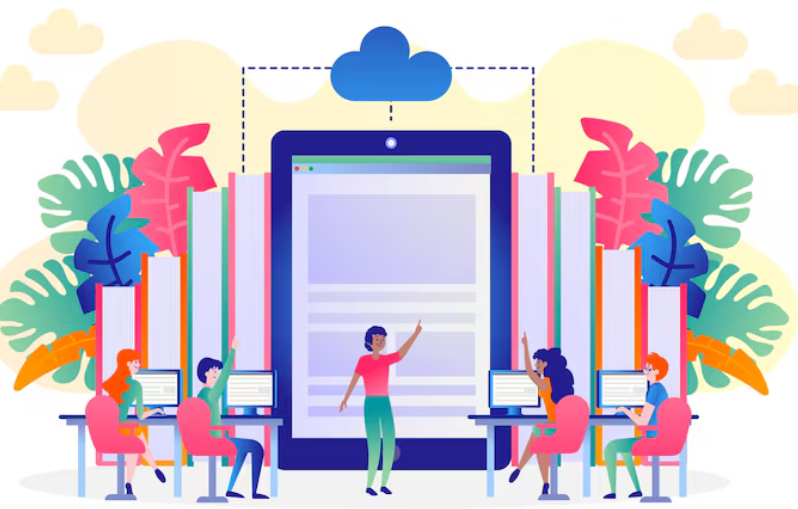
Issues with Hybrid Hiring Model
Standardization of the Candidate Test: It may be challenging to evaluate candidates fairly in both a virtual and a real environment. Diverse outcomes of engagement and communication may affect the outcome of the assessment.
Tech Dependency: The hybrid forms of hiring require highly developed computer-based tools to support the remote interviews, testing, and onboarding. Technical malfunctions can interfere with operations and affect the experience of the candidate adversely.
Data Security and Compliance: Remote handling of candidate data exposes the data to a greater risk of data breach. Organizations need to emphasize the protection of sensitive data by implementing secure systems and environments.
Coordination Complexity: Having numerous interviews and assessments scheduled in multiple forms and time zones can be logistically challenging.
Recommendations on how to introduce Hybrid Hiring Models
Normalize Evaluation Measures. To develop objective scoring, you need to come up with a scoring mechanism that scores similarly with remote interviewing and in-person interviews.
Think Technologically. Invest in good video conferencing, applicant tracking systems (ATS), and assessment systems that will offer a hassle-free experience to the applicants and recruiters.
Place stress on Communication and Transparency. Explain to the applicants how they are hired in detail, and how the contact will be done remotely and face-to-face.
Make Culture-Focused Assessments. No matter the type of recruitment, evaluate cultural fit with behavioural interviews and virtual group discussions. Give Equal Opportunities. Make the information, resources, and assessment criteria accessible to all candidates, including remote and local candidates.
The Reason Hybrid Hiring Models Will Stick Around
The hybrid recruitment method combines the most positive elements of remote recruitment and traditional recruitment strategies and makes it a viable solution to the current organizations. It helps to be quick, benefits the candidate experience, and adapts to recruiting in a more digital world. The introduction of hybrid models allows the company to recruit the most talented workers, meet the demands of the market, and motivate the workforce, which has already become more inclusive and diverse.
What Value map Technologies Can do
At Value Map Technologies we are experts in the design of customized hybrid hiring solutions, designed to meet your specific business requirements. We can help organizations unlock the opportunities of hybrid hiring models by using the newest recruiting tools and placement drives to optimize applicant experiences.

Commonly Asked FAQs:
1. What is multi-stream digital hiring?
Multi-stream digital hiring is a recruitment approach that uses technology, AI, and hybrid processes to streamline candidate screening, interviews, and onboarding.
2. Why is multi-stream digital hiring important today?
It allows organizations to hire faster, access wider talent pools, and create a more inclusive and efficient recruitment experience for candidates and recruiters.
3. How does multi-stream digital hiring save time?
Automated resume screening, interview scheduling, and ATS integration eliminate manual work, cutting recruitment timelines significantly.
4. Does multi-stream digital hiring improve candidate experience?
Yes, by offering virtual interviews, online assessments, and transparent communication, it makes the process flexible and stress-free for applicants.
5. What role does AI play in multi-stream digital hiring?
AI analyzes resumes, matches candidates with job descriptions, and uses data-driven insights to recommend the most suitable profiles quickly.
6. Can small businesses use multi-stream digital hiring?
Absolutely. Even startups can benefit by using affordable ATS software and video interview tools to compete with large enterprises for talent.
7. How does it support hybrid recruitment models?
It combines virtual and in-person recruitment methods, allowing employers to reach candidates worldwide while still conducting physical evaluations when needed.
8. Does multi-stream digital hiring reduce hiring costs?
Yes, it reduces travel, logistics, and administrative costs while allowing HR teams to focus on strategic decision-making.
9. What technologies are used in multi-stream digital hiring?
Common tools include ATS systems, AI resume parsers, video conferencing apps, digital onboarding software, and skills assessment platforms.
10. Can multi-stream digital hiring increase diversity?
Yes, remote-first hiring allows companies to tap into talent from different geographies, cultures, and socio-economic backgrounds.
11. How does it widen the talent pool?
It gives recruiters access to global candidates, niche specialists, and freelancers who wouldn’t normally participate in local hiring drives.
12. Are virtual interviews reliable for assessment?
Yes, when combined with structured scoring rubrics and behavioral interview techniques, virtual interviews can be as effective as in-person interviews.
13. How do recruiters manage multiple streams efficiently?
Centralized dashboards in ATS systems allow HR teams to coordinate interviews, shortlist candidates, and track progress across all streams.
14. What are the risks of multi-stream digital hiring?
Challenges include technology failures, candidate data security risks, and ensuring fairness between remote and in-person evaluations.
15. How can data security be ensured?
Organizations must use encrypted systems, secure candidate databases, and comply with data protection laws like GDPR to protect sensitive information.
16. Does multi-stream digital hiring support international hiring?
Yes, companies can easily manage cross-border interviews and digital assessments, making global recruitment more efficient.
17. How does analytics improve recruitment?
Recruitment analytics track key metrics such as time-to-hire, source of hire, and candidate drop-off rates, helping HR teams refine their processes.
18. Do graduates benefit more from hybrid hiring models?
Yes, hybrid hiring allows freshers to attend initial rounds remotely while still participating in face-to-face assessments for final stages.
19. How can companies ensure fair evaluation across streams?
By standardizing scoring systems, using identical assessments online and offline, and training interviewers on bias-free evaluation techniques.
20. What skills should recruiters learn for digital hiring?
They need to master ATS tools, online communication platforms, and data interpretation to effectively manage multi-stream recruitment.
21. Does multi-stream digital hiring help reduce bias?
Yes, AI-based matching focuses on skills and qualifications rather than subjective factors, reducing unconscious bias in selection.
22. How do applicants prepare for virtual interviews?
They should check their internet connection, use a quiet space, dress professionally, and practice common questions beforehand.
23. Can multi-stream digital hiring help with campus placements?
Yes, digital hiring platforms are often used for large-scale virtual campus drives, saving time for both companies and students.
24. How does multi-stream digital hiring affect onboarding?
Digital onboarding tools allow employees to complete documentation, training, and orientation remotely before joining physically.
25. Are assessments automated in multi-stream digital hiring?
Yes, platforms can administer coding challenges, aptitude tests, and psychometric evaluations automatically and score them instantly.
26. How does it improve recruiter productivity?
Recruiters spend less time on administrative work and more on engaging with top candidates and improving hiring strategies.
27. What happens if there’s a technical glitch?
Most platforms have support teams and rescheduling options to ensure that candidates are not penalized due to tech issues.
28. Can multi-stream digital hiring speed up decision-making?
Yes, centralized candidate data, instant scoring, and analytics dashboards enable faster shortlisting and offer rollouts.
29. How does it help with volume hiring?
Multi-stream digital hiring platforms can process thousands of applications simultaneously, making them ideal for mass recruitment drives.
30. Do candidates trust digital hiring processes?
Trust is growing as companies maintain transparency, explain processes clearly, and ensure fairness in remote and physical assessments.
31. How do companies maintain engagement during remote hiring?
They use virtual pre-placement talks, live Q&A sessions, and chatbots to answer candidate queries throughout the process.
32. Can multi-stream digital hiring handle time-zone differences?
Yes, automated scheduling tools allow candidates and recruiters to pick mutually convenient slots, making global hiring seamless.
33. How do recruiters measure candidate experience?
Feedback surveys and candidate NPS (Net Promoter Score) are commonly used to evaluate how applicants feel about the process.
34. Are hybrid hiring models here to stay?
Yes, they offer flexibility, cost savings, and better reach, making them a preferred long-term solution for most organizations.
35. Can multi-stream digital hiring help with employer branding?
Yes, smooth digital processes, quick communication, and professional virtual interactions improve a company’s image among job seekers.
36. How do companies choose the right tools?
They assess their hiring volume, budget, and technical needs before investing in ATS, assessment platforms, and video tools.
37. How do graduates benefit from wider exposure?
They get access to multiple companies and industries without geographical restrictions, boosting their career opportunities.
38. Can multi-stream digital hiring integrate with HR systems?
Yes, most platforms integrate with payroll, LMS, and HRMS tools to create a seamless hiring-to-onboarding experience.
39. What is the future of multi-stream digital hiring?
It will rely more on AI, predictive analytics, and virtual reality simulations for immersive candidate assessments.
40. Why should companies adopt multi-stream digital hiring now?
Because it gives them a competitive advantage by reducing time-to-hire, improving candidate experience, and enabling data-driven recruitment.
References
[1]Akkermans, J., Brenninkmeijer, V., Huibers, M., & Blonk, R. W. B. 2013. Competencies for the contemporary career: Development and preliminary validation of the career competencies questionnaire. Journal of Career Development, 40: 245–267.Google Scholar
[2]Blavo, Y., Lordan, G., & Virhia, J. 2023. May 8: Supporting productivity with a “remote-first” approach. California Management Review. Retrieved from https://cmr.berkeley.edu/2023/05/supporting-productivity-with-a-remote-first-approach/Google Schola