
Mobile App Security: Enhancing Mobile Security through Strong App Protection
Topics: Mobile Security, App Protection
Introduction
As digital technology continues to evolve, mobile applications have become deeply embedded in everyday life. Whether it is online banking, healthcare services, shopping platforms, or social media, mobile apps handle large volumes of sensitive personal and financial data. This increased reliance has also attracted cybercriminals, making mobile platforms a frequent target for security breaches. Consequently, mobile app security has become a vital aspect of modern cybersecurity. Strong mobile security and reliable app protection are now essential to protect user data, maintain trust, and preserve an organization’s credibility.
What is Mobile App Security?
Mobile app security involves a combination of technologies, policies, and best practices designed to protect applications from threats such as malware attacks, unauthorized access, data theft, and reverse engineering. Mobile environments present distinct security challenges due to operating system fragmentation, diverse device configurations, and the use of third-party app stores. When mobile applications lack proper security controls, the consequences can be serious, ranging from financial losses to legal penalties and compromised user information.
Common Threats Facing Mobile Applications
The mobile ecosystem is exposed to several security risks. One major concern is insecure data storage, where sensitive information like login credentials or payment details is saved without proper encryption. Attackers may also use reverse engineering or inject malicious code to exploit application logic or steal proprietary assets. In addition, weak authentication systems and poorly secured APIs often allow unauthorized access to critical data. These risks underline the importance of implementing strong mobile security measures and effective app protection techniques.
Why Mobile Security and App Protection Matter
Reliable mobile security ensures that applications remain safe and functional across various devices and usage environments. App protection methods such as encryption, secure authentication, and runtime security mechanisms help prevent tampering and cyberattacks. For organizations, investing in mobile app security minimizes the likelihood of data breaches and supports compliance with data protection standards such as GDPR and ISO/IEC regulations. For users, secure applications inspire confidence and encourage continued usage.
Best Practices for Securing Mobile Applications
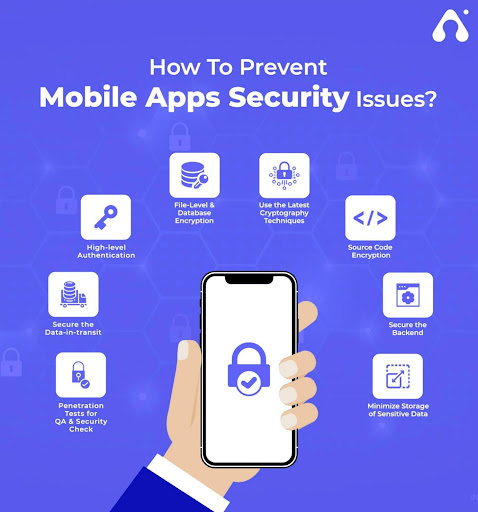
Strong mobile app security begins with secure development practices. Developers should follow recognized security standards and perform regular code reviews to detect vulnerabilities at an early stage. Encrypting data both during transmission and while stored on the device is critical for preventing unauthorized access. Implementing robust authentication techniques, including multi-factor authentication (MFA), further strengthens mobile security.
In addition, app protection methods such as code obfuscation and anti-tampering solutions help safeguard applications from reverse engineering. Routine security testing, including vulnerability assessments and penetration testing, plays a key role in identifying weaknesses. Keeping applications updated with timely patches also helps protect against newly discovered threats.
Importance of Testing and Continuous Monitoring
Ongoing monitoring is essential for maintaining effective mobile app security. Real-time threat detection and behavioral analysis allow organizations to identify suspicious activity before it leads to significant damage. Incorporating automated security testing into the development process enables faster vulnerability detection, reduces costs, and improves the overall resilience of mobile applications.
Conclusion
With mobile applications continuing to shape the digital world, prioritizing mobile app security has become more important than ever. Comprehensive mobile security and advanced app protection strategies help organizations defend against cyber threats, safeguard sensitive data, and retain user trust. By adopting secure development practices, continuous testing, and proactive monitoring, businesses can build reliable and resilient mobile applications capable of adapting to an ever-changing threat landscape.
FAQs
1. Why is application safety important today?
Modern mobile applications store sensitive data, making strong protection essential to prevent breaches and misuse.
2. What are the biggest risks faced by mobile applications?
Common risks include insecure data storage, weak authentication, malware attacks, and reverse engineering.
3. How does app protection help prevent cyberattacks?
Protective measures such as encryption, anti-tampering, and secure authentication reduce exposure to threats.
4. Are mobile applications more vulnerable than web apps?
Yes, mobile platforms face added risks due to device diversity, OS fragmentation, and third-party app stores.
5. What role does encryption play in protecting apps?
Encryption ensures that sensitive data remains unreadable even if attackers gain access.
6. Why is continuous monitoring necessary for app safety?
Ongoing monitoring helps detect unusual behavior early and prevents large-scale damage.
7. How do developers improve application resilience?
By following secure coding standards, performing regular testing, and updating apps frequently.
8. What industries benefit most from stronger app protection?
Banking, healthcare, e-commerce, and social media platforms benefit the most.
9. How does security testing reduce vulnerabilities?
Testing identifies weaknesses before attackers can exploit them.
10. What is the future of mobile application protection?
Future solutions will focus on automation, real-time threat detection, and compliance-driven security models.
References
[1] OWASP Foundation, “OWASP Mobile Top 10 – 2023: The Ten Most Critical Mobile Security Risks,” OWASP. [Online].
Available: https://owasp.org/www-project-mobile-top-10/
[2] National Institute of Standards and Technology (NIST), Guide to Mobile Device Security (SP 800-124 Rev. 2), U.S. Department of Commerce, Gaithersburg, MD, USA, 2023. [Online].
Available: https://nvlpubs.nist.gov
[3] European Union Agency for Cybersecurity (ENISA), “Threat Landscape for Mobile Applications,” ENISA. [Online].
Available: https://www.enisa.europa.eu
[4] IBM Security, “Mobile Application Security: Protecting Data in a Mobile World,” IBM Corporation. [Online].
Available: https://www.ibm.com/security
[5] Kaspersky, “Mobile Security Threats and Protection Techniques,” Kaspersky. [Online].
Available: https://www.kaspersky.com/resource-center
[6] Check Point Research, “Mobile Security Report: Trends and Threats,” Check Point Software Technologies. [Online].
Available: https://research.checkpoint.com
Penned by Swati
Edited by Nivedita, Research Analyst
For any feedback mail us at [email protected]
Streamline Your Hiring with Eve Placement’s Custom Assessments
Eve Placement helps you engage, assess, and recruit top talent through tailored hiring challenges that go beyond resumes. From technical quizzes and real-world case studies to psychometric evaluations and audio/video submissions, our platform enables smarter, data-driven hiring decisions. Advanced security features ensure authenticity and eliminate fraud, giving you reliable results. Ready to hire better? Know More.
Mail us at [email protected]