
Industry Immersion Placement: Gaining Practical Field Experience and Career Readiness
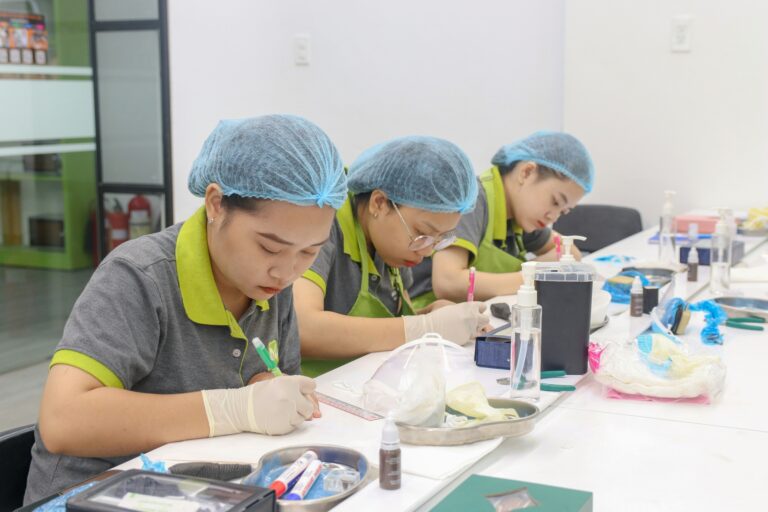
Industry Immersion Placement: Gaining Practical Field Experience and Career Readiness
In today’s rapidly evolving professional landscape, students often face a significant gap between academic learning and the practical requirements of the industry. Traditional internships or classroom learning frequently fall short in preparing learners for real-world challenges. Industry immersion placement programs are designed to bridge this gap by offering structured, hands-on experiences that equip students with the knowledge, skills, and confidence needed to excel in their careers. These programs go beyond observation, allowing students to participate actively, gain practical insights, and experience professional environments firsthand.
Understanding Industry Immersion Placement
An industry immersion placement is a structured program that integrates academic learning with practical work exposure. Unlike conventional internships, which may focus on repetitive or administrative tasks, immersive placements emphasize active learning and engagement. Students are placed in real industry scenarios where they can work on live projects, collaborate with professionals, and receive mentorship from experts. This approach ensures that theoretical knowledge is complemented by practical field experience, giving students the tools to transition smoothly into professional roles.
Industry immersion placements are increasingly recognized as a critical component of career preparation. They are particularly effective in industries where practical skills, creativity, and problem-solving capabilities are highly valued, such as media, hospitality, engineering, IT, and corporate services.
Key Features of Industry Immersion Placements
Immersive placement programs, as highlighted by institutions like AAFT, Springer, and EI Design, possess several distinguishing characteristics that make them more effective than traditional internships.
1. Realistic, Hands-On Learning
One of the most significant aspects of an industry immersion placement is its focus on hands-on, practical learning. Students are not limited to classroom lectures or hypothetical exercises; instead, they engage in real-world projects that mirror industry workflows.
For example, in creative media programs, students may participate in studio productions, film shoots, or advertising campaigns. By working on live assignments under the guidance of industry mentors, learners develop a deeper understanding of the processes, expectations, and standards prevalent in their field. This immersive experience ensures that practical field experience complements theoretical knowledge, preparing students to handle professional responsibilities with confidence.
2. Technology-Driven, Multisensory Experiences
Modern immersive placements leverage advanced technologies such as virtual reality (VR), augmented reality (AR), and simulation software to replicate professional environments. Springer’s research on immersive learning highlights the importance of technology in creating multisensory learning experiences.
Through VR-based workshops, students can practice complex technical tasks or client interactions in a controlled, safe environment. These technology-driven approaches allow learners to experiment, make mistakes, and refine their skills without real-world repercussions. By engaging multiple senses, students gain a deeper understanding of their tasks, enhancing retention and performance. Such exposure significantly boosts confidence and ensures smoother adaptation when students enter actual professional settings.
3. Continuous Feedback and Skill Development
Another hallmark of effective industry immersion placement programs is the provision of timely feedback. According to EI Design, continuous evaluation is essential to the learning process. Students receive guidance throughout their assignments rather than waiting until the end for assessments.
This ongoing feedback helps students refine their technical skills, such as software proficiency, creative design, or problem-solving, while also developing essential soft skills like communication, teamwork, and leadership. Iterative learning ensures that by the end of the placement, students are not only technically competent but also capable of adapting to dynamic work environments. This combination of skills is crucial for career readiness and long-term success.
4. Direct Industry Integration and Career Readiness
A key advantage of industry immersion placements is the direct exposure to industry professionals and networks. Mentorship programs, networking opportunities, and project-based learning allow students to build credibility and showcase their abilities.
This integration reduces the learning curve when entering full-time employment. Students leave the placement with portfolios of completed work, practical insights into workplace culture, and an understanding of industry expectations. Such experiences enhance employability, making students competitive candidates for future job opportunities.
Benefits of Industry Immersion Placement
Immersive placements provide tangible benefits for both students and employers.
1. Enhanced Employability
One of the most significant outcomes of an industry immersion placement is improved employability. By working on live projects and gaining hands-on experience, students acquire practical skills that go beyond theoretical knowledge. Employers increasingly value candidates who can demonstrate real-world experience, problem-solving abilities, and adaptability—qualities cultivated through immersive placements.
2. Stronger Industry-Academia Connections
Immersive placement programs help bridge the gap between academia and the professional world. According to Springer, aligning academic training with industry expectations ensures that students are better prepared for the workforce. Regular interaction with professionals, participation in live projects, and exposure to industry tools and processes create a seamless transition from classroom learning to professional practice.
3. Increased Learner Confidence
Experiencing real-world work environments in a controlled, supportive setting allows students to develop confidence in their abilities. EI Design notes that simulated work experiences reduce anxiety and help learners adapt to professional expectations more effectively. By the time students complete their placement, they are more comfortable handling responsibilities, making decisions, and collaborating in team settings.
4. Development of Holistic Skills
Industry immersion placements not only enhance technical proficiency but also foster critical soft skills such as communication, teamwork, problem-solving, time management, and leadership. These skills are often decisive factors in professional success and are highly valued across industries.
Real-World Applications of Industry Immersion Placements
Immersive placements are applied across various sectors to provide students with relevant, practical exposure. Some notable examples include:
1. Hospitality Training Simulations
In the hospitality sector, scenario-based role plays and simulated guest interactions prepare students for customer-facing roles. Students can practice handling complaints, managing events, and providing service excellence before stepping into actual workplace environments. This practical field experience enhances confidence and ensures a smoother transition into professional roles.
2. Creative Media Programs
Students in media, film, and design programs gain firsthand experience through studio productions, on-location shoots, and advertising campaigns. By participating in these projects, learners understand workflow dynamics, client expectations, and creative collaboration—skills that are impossible to master solely in a classroom.
3. Corporate Onboarding Programs
Many corporations now integrate immersive technologies in onboarding programs to familiarize new employees with company culture, processes, and tools. Through virtual simulations, interactive workshops, and project assignments, newcomers quickly adapt to professional environments. Such immersive exposure shortens learning curves and enhances productivity.
4. Technical and Engineering Internships
Engineering and technical disciplines also benefit from industry immersion placements. Students can work on live engineering projects, utilize industry-standard software, and participate in laboratory experiments. This hands-on engagement bridges the gap between theoretical concepts and practical applications, preparing students for real-world problem-solving scenarios.
Best Practices for Maximizing Industry Immersion Placement
To ensure maximum benefit, students and institutions can follow several best practices:
Early Exposure: Begin immersive experiences early in academic programs to build familiarity with industry expectations.
Structured Mentorship: Pair students with experienced mentors to provide guidance and support throughout the placement.
Project-Based Learning: Focus on live projects that simulate real industry challenges rather than routine tasks.
Regular Feedback: Implement continuous feedback mechanisms to help students refine their skills progressively.
Technology Integration: Utilize VR, AR, and simulation tools to enhance experiential learning.
Challenges and Solutions
While industry immersion placements are highly beneficial, they may present challenges such as resource constraints, limited industry partnerships, or varying student readiness. Institutions can address these challenges by:
Collaborating with multiple industry partners to offer diverse opportunities.
Preparing students through pre-placement training in soft skills and technical tools.
Leveraging digital platforms for remote or virtual placements when physical access is limited.
By overcoming these challenges, placements can consistently deliver high-quality practical field experience and career readiness outcomes.
Conclusion
Industry immersion placements are transforming the way students prepare for professional careers. By combining theoretical knowledge with practical field experience, technology-driven learning, continuous feedback, and direct industry integration, these programs equip students with the skills, confidence, and adaptability required in today’s competitive workforce.
Students who participate in immersive placements gain enhanced employability, stronger industry-academia connections, and higher confidence levels. They leave the program with portfolios, professional networks, and real-world insights that make them valuable assets to employers.
In a world where practical skills and readiness for professional challenges are increasingly essential, industry immersion placements are no longer optional—they are a necessity. By participating in these programs, students can unlock their potential, accelerate their careers, and successfully transition from learners to industry-ready professionals.
References
- M. Hurley, D. Butler & E. McLoughlin (2023). STEM Teacher Professional Learning Through Immersive STEM Learning Placements in Industry: A Systematic Literature Review.
Journal for STEM Education Research.
Link: https://link.springer.com/article/10.1007/s41979-023-00089-7 - C. H. Wu et al. (2021). Immersive Learning Design for Technology Education.
In PMC / National Center for Biotechnology Information (NCBI).
Link: https://www.ncbi.nlm.nih.gov/pmc/articles/PMC8719480/
FAQs on Industry Immersion Placement
1. What is an industry immersion placement?
An industry immersion placement is a structured program that integrates academic learning with practical, hands-on experience in real industry settings. It allows students to work on live projects, gain mentorship, and acquire skills relevant to their careers.
2. How is an industry immersion placement different from a traditional internship?
Unlike traditional internships, which often involve repetitive tasks, industry immersion placements emphasize active participation, real-world projects, technology-driven experiences, continuous feedback, and career readiness.
3. What skills can students gain from industry immersion placements?
Students develop both hard skills (technical expertise, software proficiency, creative production) and soft skills (communication, problem-solving, teamwork, leadership) through hands-on learning and professional exposure.
4. How does practical field experience benefit students?
Practical field experience helps students understand workplace dynamics, reduces learning curves when starting jobs, boosts confidence, and enhances employability by providing tangible industry-ready skills.
5. Which industries benefit most from immersive placements?
Industries such as creative media, hospitality, corporate services, engineering, IT, and STEM fields benefit greatly from immersive placements due to their focus on hands-on skills, collaboration, and real-world problem-solving.
6. How do immersive placements use technology?
Immersive placements leverage technologies like virtual reality (VR), augmented reality (AR), and simulation software to recreate professional environments. This allows students to practice safely, engage multiple senses, and gain practical experience in controlled settings.
7. What are the career benefits of industry immersion placements?
Students gain networking opportunities, portfolios of completed projects, mentorship guidance, and direct exposure to workplace culture, making them highly competitive and career-ready upon graduation.
8. Can immersive placements improve learner confidence?
Yes. By simulating real-world work environments and providing hands-on experiences, students become more comfortable handling professional responsibilities and decision-making.
9. How can educational institutions maximize the effectiveness of placements?
Institutions can ensure success by offering structured mentorship, project-based learning, early exposure, regular feedback, and integration of technology to provide students with meaningful, practical experiences.
10. Are industry immersion placements necessary for all students?
While not mandatory, immersive placements are highly beneficial for students seeking practical skills, career readiness, and real-world exposure, making them increasingly essential in today’s competitive job market.
Penned by Asha Yadav
Edited by Disha Thakral, Research Analyst
For any feedback mail us at [email protected]
Streamline Your Hiring with Eve Placement’s Custom Assessments
Eve Placement helps you engage, assess, and recruit top talent through tailored hiring challenges that go beyond resumes. From technical quizzes and real-world case studies to psychometric evaluations and audio/video submissions, our platform enables smarter, data-driven hiring decisions. Advanced security features ensure authenticity and eliminate fraud, giving you reliable results. Ready to hire better? Know More.
Mail us at [email protected]