
Traditionally, career coaching has not been very popular, as many people think it is unnecessary and expensive; however, in this fast-growing world, everything around us gets digitalised, and so does career coaching.
Digital career guidance on campus should be provided to students to help them choose the right career path.
Before, these types of career guidance were quite difficult to fit into students’ hectic schedules, but now virtual sessions or career guidance apps are available that are both cost- and place-effective.
A career guidance app with in-built AI provides personalised advice on an individual’s strengths and weaknesses and areas of interest, and provides various career options along with a customised career road map.
An AI career coach provides personalised advice after carefully analysing various types of tests like skill assessments, interest assessments and behavioural tests, etc.
Unlike human career coaches, AI career coaches don’t provide generic advice, but AI has its own shortcomings, like data privacy issues, a lack of emotions and critical thinking.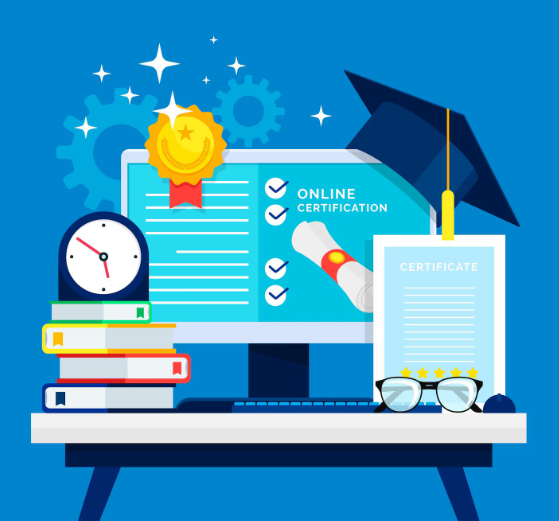
From Goal-Setting to Growth: Why Coaching Matters
- Convenience: One of the advantages of digital career counselling is that it reduces the hassle of scheduling appointments and commuting. As in offline career coaching, an individual needs to free up their schedule to attend a consultation, which is a factor that most people don’t consider when going to a career coach, but digital career coaching can be provided at any time.
- Accessibility: Now, an individual does not need to search for a career consultant in their local area, as digital career coaching can provide consultation from anywhere in the world. So, an individual can easily access skilled career counsellors.
- Personalized Approach: Online platforms, career guidance apps and AI-integrated career counselling services conduct a comprehensive study through various types of tests and use the test results to provide personalised career options along with a tailor-made career road map.
- Resources: The digital platform not only provides one-to-one interaction. These platforms take skill and interest tests to help individuals learn about their strengths and weaknesses. Online platforms provide videos, articles and webinars to help individuals overcome their shortcomings and choose the right career path.
- Flexibility: One of the advantages of online career consulting is that an individual can have a career consultation after working hours. So, an individual can take a consultation on working days without missing work commitments.
- Cost-Effective: Online consultations are less expensive than offline ones. An individual has to pay more for their service, and some online platforms provide a membership package. Individuals do not pay for the commute, and the cost of service does not include variable costs like rent, electricity, power, etc., as in an online setup, a consultant usually does not need to spend as much as in offline setups.
- Overcoming Stigma: Traditionally, going to a career consultant seems to be a waste of money and time. People do not consider a career consultant as a professional career option. So, people who usually do not go to career coaches due to society pressure and personal reasons can take an online consultation.

Conclusion
AI career coaches are getting popular these days due to their data-integrated personalized advice, but AIs lack human empathy, so they cannot replace a human career coach; instead, they can be a very useful tool to career consultants.
For example, a consultant can have a pre-career talk with an individual, and AI can make a customized test based on the interaction between an individual and a career coach, as Student and senior-level employees cannot give the same test, as they have different levels of mindset and priorities in life to provide advice that will actually be useful to them.
Traditionally, career counsellors provide a generic test and advice to people. But nowadays, people can make a successful career from their passion and interests, so the career consulting job gets complex.
Teachers should take an initiative to provide digital career guidance on campus to both students and their parents.
These career consulting sessions will help parents understand their children’s strengths and their areas of interest, so parents can help from an early stage and help their children to pursue their passions.
These digital career guidance sessions can happen at any time and place, so working parents will also be able to attend these sessions.
Commonly Asked FAQs:
1. What is digital career guidance?
Digital career guidance is the use of online platforms, apps, and virtual sessions to provide students with career counselling, skill assessments, and personalised roadmaps. It combines technology with expert input to help students choose the right career direction efficiently.
2. How does digital career guidance benefit students compared to traditional methods?
Unlike traditional career counselling, which often requires travel and fixed appointments, digital career guidance is more convenient, accessible, and affordable. Students can get guidance from anywhere, at any time, making it easier to fit into their busy academic schedules.
3. Can digital career guidance be as effective as in-person counselling?
Yes, digital career guidance can be just as effective, if not more. Many platforms offer assessments, video consultations, AI-generated recommendations, and even access to webinars. The only limitation is the lack of face-to-face human empathy, which some students may still prefer.
4. How do AI-based career guidance tools work?
AI career coaches analyse test results such as skill assessments, interest tests, and personality profiles to suggest personalised career options. These tools use data-driven algorithms to create customised career roadmaps and can adjust recommendations as students progress.
5. Is digital career guidance suitable for all age groups?
Yes, digital career guidance can be adapted to different age groups. School students, college graduates, and working professionals can all benefit. The level of assessments and advice can be customised according to maturity, experience, and career stage.
6. How does digital career guidance address skill gaps?
Many platforms provide detailed reports about a student’s strengths and weaknesses, then suggest online courses, workshops, or resources to help them improve. This structured approach ensures students work on the right skills needed for their chosen field.
7. What role do parents play in digital career guidance?
Parents can participate in virtual sessions to better understand their child’s interests and strengths. This helps align parental expectations with the student’s goals and reduces conflicts over career decisions.
8. Can digital career guidance help with non-traditional careers?
Absolutely. One of the best aspects of digital career guidance is that it introduces students to a wide variety of career paths, including freelancing, entrepreneurship, and emerging industries that are often overlooked in traditional counselling.
9. How secure is the data used in digital career guidance platforms?
Most reputable platforms use encryption and strict privacy policies to protect student data. However, students and parents should always check the platform’s data security measures before sharing personal information.
10. How can students make the most out of digital career guidance?
Students should actively engage by taking all assessments seriously, attending virtual sessions, and exploring the recommended resources. Regularly updating their progress and seeking feedback ensures that the guidance remains relevant as they grow.
11. Are there free options for digital career guidance?
Yes, there are free tools, such as basic career assessments, personality tests, and online career webinars. However, for in-depth personalised guidance and one-on-one consultations, a subscription or membership is often required.
12. How does digital career guidance help with goal setting?
It helps students set SMART goals (Specific, Measurable, Achievable, Relevant, Time-bound) by breaking long-term ambitions into smaller, actionable steps. This makes career planning less overwhelming and more structured.
13. Can digital career guidance improve employability?
Yes, by identifying skill gaps, recommending relevant certifications, and teaching students how to build a strong resume or LinkedIn profile, digital career guidance directly contributes to employability.
14. How does flexibility play a role in digital career guidance?
Flexibility allows students to schedule sessions outside class hours, re-watch recorded sessions, and access materials at their own pace. This makes it easier to balance guidance with studies and other commitments.
15. Can digital career guidance replace human counsellors completely?
While it can handle assessments and recommendations effectively, it cannot fully replace human empathy and nuanced judgment. Ideally, it should complement human counselling rather than replace it entirely.
16. How often should students use digital career guidance tools?
Students should revisit these tools regularly—once every few months or whenever they experience a major academic or personal change. Regular updates help keep the career roadmap relevant and actionable.
17. Can digital career guidance help students choose the right college major?
Yes, by assessing strengths, interests, and career goals, these platforms can suggest the best majors or fields of study that align with future job opportunities, reducing the risk of wrong choices.
18. Are digital career guidance platforms useful for job seekers after graduation?
Definitely. Many platforms offer resume-building tools, mock interview sessions, and job search strategies. This is especially helpful for fresh graduates looking to enter competitive job markets.
19. How does digital career guidance reduce stigma around counselling?
Because sessions are private, online, and convenient, students who might hesitate to seek help in person feel more comfortable using digital career guidance. This encourages more students to take control of their future.
20. Can digital career guidance support lifelong learning?
Yes, it promotes continuous growth by suggesting upskilling opportunities even after students have started their careers. This keeps them competitive in a fast-changing job market.
21. How can schools implement digital career guidance for students?
Schools can partner with online platforms to provide access to students, schedule virtual career fairs, and integrate assessments into the curriculum. This ensures career development becomes a structured part of education.
22. What kind of resources do digital career guidance platforms provide?
Resources may include career blogs, e-books, video tutorials, webinars, interview tips, and connections to mentors or industry professionals. These extras make the guidance process comprehensive and actionable.
23. Can digital career guidance work for students in remote or rural areas?
Yes, as long as there is internet connectivity. This is one of its biggest advantages—it brings expert career guidance to areas where professional counsellors may not be available locally.
24. How do students measure the success of digital career guidance?
Students can measure success by tracking milestones like clarity on career goals, improvement in skills, increased confidence in decision-making, and eventually landing internships or jobs that match their plans.
25. Is digital career guidance cost-effective in the long run?
Yes, because it saves money on travel, printed materials, and consultation fees compared to offline coaching. Membership models often provide ongoing support at a fraction of traditional costs.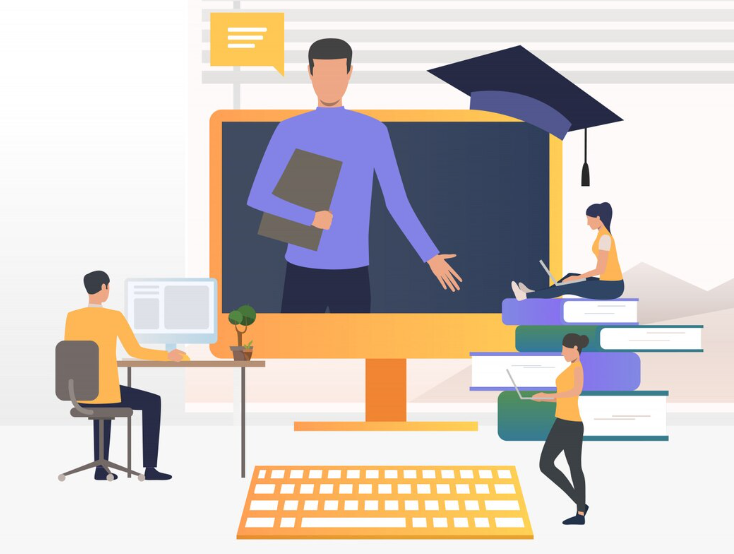
References
[1] “Digital Era Advantage of Online Career Counselling”, https://hashtagcounseling.in/ [online]. Available: https://hashtagcounseling.in/the-digital-era-advantages-of-online-career-counselling/
[2] “Integrating Career Counselling into School Curriculums: Benefits and Challenges”, https://www.mindler.com/ [online]. Available: https://www.mindler.com/blog/integrating-career-counseling-into-school-curriculums-benefits-and-challenges/
[3] “How will AI elevate career coaching strategies?”, https://www.randstadenterprise.com/ [online]. Available: https://www.randstadenterprise.com/insights/randstad-enterprise-insights/how-ai-will-elevate-career-coaching-strategies/