Mastering DAO Compliance: 5 Essential Steps for Navigating Decentralized Autonomous Organizations
Introduction
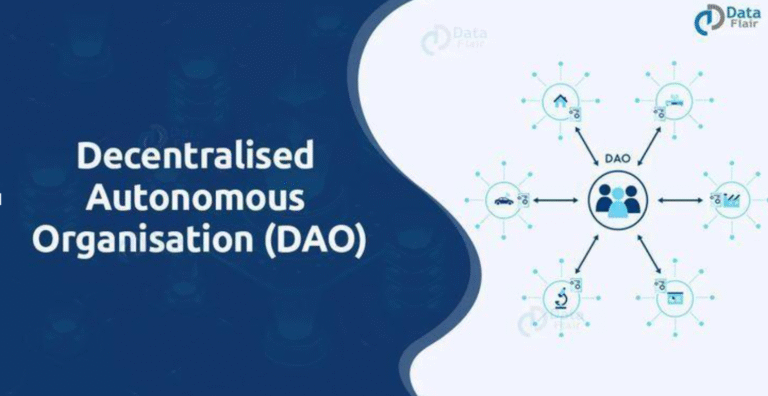
Decentralized Autonomous Organizations (DAOs) are blockchain-based organizations governed by rules encoded in smart contracts, operating without central authority. This decentralized model, driven by Blockchain Governance, presents significant regulatory challenges. For professionals seeking a DAO Career Pivot, understanding DAO Compliance and Regulations is paramount. Mastering how these DAO Compliance and Regulations intersect with Blockchain Governance is essential for determining value in this next-generation digital economy.
So What are DAOs and Why are they Different?
DAOs use governance tokens, a decentralized structure, and smart contracts. The decentralized nature of a Decentralized Autonomous Organization creates jurisdictional challenges for DAO Compliance and Regulations. Unlike a standard organization, the DAO lacks a fixed legal status. This makes applying classical law and compliance systems difficult due to the DAO’s decentralized, pseudonymous nature. Effective Blockchain Governance is central to how a DAO operates. However, this same Blockchain Governance feature causes regulatory oversight to be a problem, bringing issues like liability, IP rights, tax compliance, and consumer protection to the fore. Professionals must learn these construction and legal specifics when contemplating a DAO Career Pivot.
Trends in Regulations and Innovative Legislation
Attempts to bring clarity to DAO Compliance and Regulations are being made globally. The focus on robust DAO Compliance and Regulations is clear in new international laws. Prominent events include the Wyoming LLC law, which provides a legal framework for DAOs. In the European Union, the MiCA regulation is the defining structure to regulate digital assets. The Financial Action Task Force (FATF) also publishes key measures, including KYC requirements crucial for DAO compliance. New hybrid legal systems are emerging where DAOs utilize both smart contracts and conventional contracts. For career-shifter professionals, monitoring these trends and the evolving MiCA FATF Wyoming standards is essential for their DAO Career Pivot into legal practice.
Best Practices and DAO Compliance Tools
To achieve DAO Compliance and Regulations, DAOs utilize a combination of technical tools and community norms. Achieving effective Blockchain Governance relies on these compliance tools. Strategies include smart contracts with in-built KYC/AML systems for compliance. Transaction monitoring is performed using services like TRM Labs or Chainalysis. Verifying participants through Decentralized Identity Systems (DIDs) helps with DAO compliance. Many DAOs are even starting to create internal compliance functions, such as hiring legal stewards and managers. Attorneys, accountants, or cybersecurity specialists are uniquely positioned to leverage a DAO Career Pivot. These professionals build a DAO-centred portfolio and submit governance proposals within DAO projects and communities
What You Need to Know About Making the Career Pivot?
Making a successful DAO Career Pivot requires more than technical knowledge. Professionals need flexibility and capacity to work within decentralized conditions, understanding the Blockchain Governance model. The DAO Career Pivot can start with self-learning through certifications on blockchain compliance. Joining communities like DAOhaus, Aragon, or Gitcoin is key for connection. Regulatory standards change fast; thus, following crypto legal blogs, MiCA FATF Wyoming news, and government updates is critical for successful DAO Compliance and Regulations. Professionals making this DAO Career Pivot must embrace the merit-based DAO culture, aligning with values of autonomy and digital proficiency
Conclusion
The future of Decentralized Autonomous Organizations depends heavily on robust DAO Compliance and Regulations. DAOs are moving to a complex future of finance and governance. Their sustainability hinges on establishing proper methods of compliance. Mastering DAO Compliance and Regulations and Blockchain Governance is vital to success in this realm, especially when attempting a DAO Career Pivot. As Decentralized Autonomous Organizations integrate into the digital society, becoming educated on the MiCA FATF Wyoming legal and operational framework will transform your professional experience into a meaningful DAO Career Pivot.
Commonly Asked Questions:
1. What is a DAO?
A DAO, or Decentralized Autonomous Organization, is a blockchain-based organization that operates without centralized control, governed by rules encoded in smart contracts.
2. How is a DAO governed?
Governance is collective, with decisions typically made by members through voting, often facilitated by the use of crypto tokens (governance tokens).
3. What is the role of smart contracts in DAOs?
Smart contracts encode the rules and protocols of the DAO, automating operations and ensuring decisions are executed trustlessly, without the need for a central management hierarchy.
4. What are “governance tokens”?
These are crypto tokens that grant holders voting rights and influence over the future direction and proposals of the decentralized organization.
5. How is a DAO different from a traditional organization?
Unlike a standard organization with a fixed hierarchy and agreed-upon legal status, a DAO operates without centralized leadership, using decentralized blockchain governance and lacking a conventional corporate structure.
6. Why are classical laws difficult to apply to DAOs?
Classical law and compliance systems struggle with DAOs due to their decentralized, pseudonymous nature, and the fact that they often do not belong to a single jurisdiction.
7. What are the key areas of concern regarding DAO regulatory oversight?
Regulatory oversight problems arise concerning liability, intellectual property rights (IP), tax compliance, and consumer protection.
8. What is Wyoming’s notable regulation regarding DAOs?
Wyoming, USA, enacted Senate File 0038, a law that allows DAOs to be registered as Limited Liability Companies (LLCs), providing a legal structure.
9. What is the EU’s key regulation impacting DAOs?
The European Union’s defining structure to regulate digital assets is the MiCA (Markets in Crypto-Assets) regulation.
10. What is FATF’s role in DAO regulation?
The Financial Action Task Force (FATF) publishes measures for virtual assets and service providers, including crucial anti-money laundering (AML) and counter-terrorist financing (CTF) guidance.
11. What is FATF’s main requirement for virtual asset service providers (VASPs)?
FATF emphasizes the importance of Know Your Customer (KYC) requirements to identify and verify participants.
12. What are “hybrid legal systems” for DAOs?
These are new legal systems where DAOs engage with both smart contracts (for decentralized operations) and conventional contracts (for interacting with the traditional legal world).
13. What regulatory issues arise from blockchain governance?
While central to DAO operation, blockchain governance is the very feature that causes regulatory problems related to accountability and legal jurisdiction.
14. What does the transition to DAO governance mean for traditional professionals?
It means that career professionals must understand how compliance regulation intersects with blockchain governance to determine their value in the new digital economy.
15. What are the concerns around DAO liability?
Due to their decentralized and pseudonymous nature, assigning clear legal liability in the event of a failure or illegal action is a major regulatory challenge.
References
Penned by Mehak
Edited by Hamid Ali, Research Analyst
For any feedback mail us at [email protected]
Streamline Your Hiring with Eve Placement’s Custom Assessments
Eve Placement helps you engage, assess, and recruit top talent through tailored hiring challenges that go beyond resumes. From technical quizzes and real-world case studies to psychometric evaluations and audio/video submissions, our platform enables smarter, data-driven hiring decisions. Advanced security features ensure authenticity and eliminate fraud, giving you reliable results. Ready to hire better? Know More.
Mail us at [email protected]