
Celebrating Global Cultures through Events for Students
Introduction
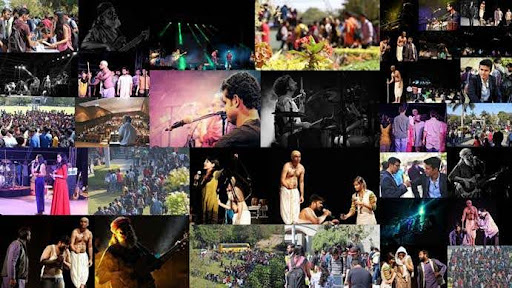
An international students’ festival on multicultural campus life today affords some peculiarities of tradition and culture. Indeed, festivals celebrating different heritages such as Diwali nights in Boston, celebrations for the Chinese New Year in Berlin, or an African cultural showcase in Melbourne lend credence to the idea that education extends beyond the classroom.
Cross-understanding is an avenue of strengthening cultural heritage through solidarity across differences. Such festive events create learning environments for students with different ethnicities, cultures, and languages.
They stimulate student initiatives that institutions thereby create spaces for building meaningful cross-cultural ties. And these events contribute not just to enrich the academic experience but also to prepare students for work environments of rather different types. International student festivals and cultural diversity events have therefore become very land where a vibrant campus life culminates toward the global citizenship concept.
- Student-Cultural Facelift Initiatives
Student-organized cultural events are much more effective than such events organized from above. The peer-sharing culture experiential learning students create will enable them to showcase, hold, and appreciate various cultures.
Students have exchanged customs and histories through music, dance, food, clothing, storytelling, and workshops. For example, when students from India celebrate Holi, a fellow student teaches about the mythological background of the festival, shares some Indian sweets, and, of course, throws around colors! On Arab culture night, for example, one could get a henna tattoo and recite classical Arabic poetry while enjoying delicious regional food.
This sharpens the leadership skills of students in a myriad of other areas, such as communication, budgeting, logistics planning, and multicultural sensitivity.
- What Fun is Not
Although cultures in diversity seem a razzle-dazzle affair, the underlying educational profundity is real. They give a student the chance to explore her identity, face bias, and attain the global competencies needed by any employer in today’s work environment.
Ø Encourage empathy and tolerance: The event imparts analysis of diverse lived experiences, thereby breaking stereotypes and nurturing curiosity across cultures.
Ø Contribute to an individual’s mental well-being: Most international students feel lonely and culturally displaced. Holidays bind them to one’s culture and affirm that one truly belongs to that culture.
Ø Encourage collaborative learning: Multicultural teamwork will always remain an inclusive approach to communication and joint responsibilities.
Ø Aid in cementing towards equity and recognition: Celebrating minority cultures dignifies them and sends home messages on inclusion and respect.
Ø Adaptability: From the mix of cultures, students are familiarized with several cultures, and those become an index on the adaptability scale in diverse environments, an essential skill in any global industry.
These events themselves reflect the kind of soft skills and emotional intelligence for which employers are seeking increased emphasis in their graduates.
Classroom Activities That Celebrate Diversity
Culture-based festivities had forged deep, practical ties among students through dealing with various traditions. Thus, these activities turn the abstract concept of culture-based ideas into stylized learning and make them even more meaningful to students across different age levels.
- A Cultural Show-and-tell
Cultural show-and-tell sessions allow students to arrange artifacts associated with their culture systematically. I discovered real open discussion from arranging bi-weekly presentations, with three to four students bringing each something culturally meaningful, traditional piece of clothing, an heirloom family piece of artwork, or a family photograph. Each presenter enjoys 10 minutes to explain the cultural significance of their object, followed by a 5-minute Q&A, after which the entire format hones public speaking skills among students, as people learn things about their peers’ backgrounds through relevant, personal sharing.
- International Food Festivals Projects
Food festival Projects fuse culinary artistry with research, complemented by teamwork and preparation. I group students into teams of 4-5 each, forming food festival teams, making research into traditional dishes whereby they document recipes and organize information displays on ingredients’ cultural relevance.
Each group
- research 3 traditional recipes from their own assigned culture.
- designs recipe cards enriched with historical context.
- prepares 1 simple dish to share (following safety guidelines).
- designs an educational display about customs related to eating.
- presents the cultural significance of ingredients.
Global Examples That Inspire
By adopting these events, many universities across the world affirm the existence of diversity and inclusion in their agendas. For example:
Ø The University of British Columbia (Canada): Global Lounge Week enjoys hosting its events during cultural exchange week, enriched with student performances, food festivals, and intercultural panels.
Ø Monash University (Australia): The Global Discovery Festival brings together over 50 student groups by virtue of dance, dress, and cuisine, showcasing their cultures to other students.
Ø The National University of Singapore also organizes an “iFest,” an event on campus with games, music, and booths for various food items from home countries owned by international students.
Also, there are instances where these institutions link such activities with orientation or curriculum, thus allowing the students to handle diversity from the very start and for a longer time on the college campus.
Challenges and Opportunities
Organizing festivals for international students has remained a nightmare, even when one weighs the advantages. An ever-shorter list of institutions, together with student organizers, faces recurring problems such as:
Ø Funding shortage: Organization for major events entails sponsorship, venue, catering, and logistics, with such extreme intricacies coming to play without a strong input from the administration.
Ø Event fatigue: Student attendance may drop and enthusiasm fade when too many events are crowded into the academic calendar.
Ø Lack of inclusivity: Events may unintentionally highlight the dominating culture while ignoring its smaller or lesser-known counterparts.
Ø Language and accessibility: With provisions for non-native speakers and considers the accessibility needs of disabled students for materials and performances.
Ø Sustainability: The events should be included in the institution’s ethos, as opposed to being an afterthought.
Institutions should respond to those challenges with grants for funding, mentorship for cultural clubs on campus, multilingual promo resources, and support that cuts across various departments. Another point is that, if they want their events to prosper, proper collaborative planning should be one of the sets of concerns rather than a stamp on a document.
Conclusion: Towards an Inclusive Global Campus
They are trained on data up to October 2023. Just like with all semblances of authority in the whole global past, in a world increasingly unexclusive with each passing day, cultural diversity events or international students’ festivals can act as bridges that create empathy, create awareness, and provide avenues to express themselves. Development of such programs will help foster a university culture in which every actor feels accepted, valued, and included. Knowledge will shine with new light for the fast learner, while students needing the healing of some constructive traditions will take solace in what feels familiar. The breaking of bread together, the sharing of joy, laughter, and stories through songs promotes an inherently respectful, compassionate, and inclusive culture.
Moving forth to organize such events would be an institutional precursor and should become a core program rather than an offhand one; for the campus of tomorrow nurtures not only excellence in academics but also becomes a melting point for cross-cultural interactions and collective evolution.
FAQs for Cultural Diversity Events
- What are cultural diversity events on campus?
Cultural diversity events are student-led or institutional programs that celebrate different heritages, fostering inclusion and global awareness. - Why are cultural diversity events important for students?
Cultural diversity events help students build empathy, explore identity, and develop global competencies essential for today’s diverse workplaces. - How do cultural diversity events support international students?
These events offer international students a sense of belonging, allowing them to share traditions and connect with peers across cultures. - What skills can students gain from organizing cultural diversity events?
Students develop leadership, communication, budgeting, and multicultural sensitivity through planning and hosting cultural diversity events. - Can cultural diversity events improve mental well-being?
Yes, cultural diversity events affirm identity, reduce isolation, and create supportive environments for international and minority students. - How do cultural diversity events contribute to academic growth?
They enrich learning by turning abstract cultural concepts into experiential education, enhancing classroom engagement and cross-cultural understanding. - What are some examples of successful cultural diversity events globally?
Events like UBC’s Global Lounge Week, Monash’s Discovery Festival, and NUS’s iFest showcase how cultural diversity events promote inclusion worldwide. - What challenges do organizers face in hosting cultural diversity events?
Common challenges include funding, event fatigue, inclusivity gaps, language barriers, and sustainability of cultural diversity events. - How can institutions support cultural diversity events more effectively?
Universities can offer grants, mentorship, multilingual resources, and cross-departmental collaboration to strengthen cultural diversity events. - Should cultural diversity events be part of the curriculum?
Integrating cultural diversity events into orientation or coursework helps students engage with diversity from the start, making inclusion a core value.
Works Cited
- University of British Columbia – Global Lounge. (2023). Student Engagement Programs. Retrieved from: https://students.ubc.ca/global-lounge
- Monash University – Global Discovery Festival. (2023). Celebrating Diversity on Campus. Retrieved from: https://www.monash.edu/student-diversity
- National University of Singapore – iFest. (2023). International Student Events. Retrieved from: https://nus.edu.sg/osa/events/ifest
- Jawaharlal Nehru University (JNU). (2023). Annual Cultural Week Reports. Retrieved from: https://www.jnu.ac.in/students/culturalweek
- UNESCO. (2022). The Role of Intercultural Events in Higher Education. Retrieved from: https://en.unesco.org/themes/gced
Penned by Nishita Kumari
Edited by Sneha Seth, Research Analyst
For any feedback mail us at [email protected]
Streamline Your Hiring with Eve Placement’s Custom Assessments
Eve Placement helps you engage, assess, and recruit top talent through tailored hiring challenges that go beyond resumes. From technical quizzes and real-world case studies to psychometric evaluations and audio/video submissions, our platform enables smarter, data-driven hiring decisions. Advanced security features ensure authenticity and eliminate fraud, giving you reliable results. Ready to hire better? Know More.
Mail us at [email protected]