The 4 WH’s Behind Successful Workplace Collaboration
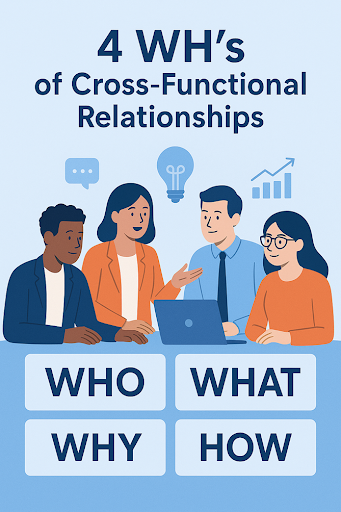
Table of Contents
Introduction
What are Cross-Functional Relationships?
Why are Cross-Functional Relationships Important?
How to Make Cross-Functional Teams Succeed
Learn about Other Departments
Communicate Frequently and Clearly
Make Yourself Available When Needed
Work Toward Common Goals
Show Appreciation and Recognition
Examples of Effective Cross-Functional Teamwork
Product Launches
Crisis Management
Process Improvements
Customer Experience Initiatives
Challenges of Cross-Functional Relationships
Conclusion
- FAQs
References
Cross-functional collaboration is a pivotal part of modern organisations, and cross-functional teamwork plays a critical part in the generation of innovative ideas, problem-solving effectively and efficiently. Not only does it benefit the entire organisation, but it also assists an individual in building and establishing usable relationships. Efficient workplace collaboration ensures that groups work effectively across departments with coordination and common aims.
What Are Cross-Functional Relationships?
Cross-functional relationships are those people or groups of individuals belonging to various departments like marketing, sales, finance or product development who come together to collaborate on a specific project or otherwise. These relationships enable everyone to work without any restrictions within the organisation towards a common purpose with different visions and skills.
Why Are They Important?
Effective cross-functional teamwork enhances problem-solving, accelerates completion of projects due to the sharing of workload and increases innovation through mixing multiple mindsets and experiences. This also assists in building an open workplace culture, where everyone can speak to anyone and there are no limitations in decision-making; it also makes everybody feel they are crucial. In competitive markets, these workplace collaborations tend to contribute to quicker adaptation and improved consumer experience.
How To Make Them Succeed?
- Learn about the other departments: Invest time to know the requirements, objectives, and problems of other departments. Be involved in what the diverse departments are trying to fulfil and what kind of barriers they are facing in doing so. Attend inter-departmental meetings to view things from an open mind and absorb knowledge from every direction, and not just confine yourself to your department.
- Communicate Frequently and Clearly: Don’t allow miscommunication to shatter what has been achieved. Make communication constant, brief, and open. Update and get updated through WhatsApp groups. Ensure that you have regular communication through meetings, and in case of remote jobs, through video conferences with the help of applications like Google Meet and Zoom. Don’t forget that these meeting has to be a dialogue instead of a monologue, listen to everyone and state your ideas as well. It will help in keeping all the confusion away.
- Make Yourself Available When Needed: Don’t miss the deadlines, and don’t go back on your commitments. Be consistent with this approach to gain the trust of your colleagues. Because of this, other employees would like to collaborate with you and your team because they will get to know you are a person who will get the work done. This will provide a base for effective cross-functional teamwork.
- Work Toward Common Goals: Rather than focusing on individual and departmental goals, look at the big picture and focus on organisational goals. Look for common wins at meetings and discussions. Make objectives that are beneficial for all the departments and the organisation as a whole. Promote greater cross-functional teamwork through this.
- Show Appreciation and Recognition: Appreciate the achievements and success of both your co-workers and their team. A public recognition or a thank-you will enhance morale, workplace solidarity, and motivate continued workplace collaboration. Recognition of others not only improves employees’ relationships but also shows that respect and teamwork are part of the organisational culture.
Examples of When They Work Best
- Product launches- marketing and sales organisations work together to design and sell a successful product.
- Crisis management – pr and legal departments collaborate to handle crises effectively through successful workplace collaboration.
- Process improvements – the IT and hr departments work together to automate new hire onboarding processes
- Customer experience initiatives – customer service, product and development teams work together to drive satisfaction through successful cross-functional collaboration.
Challenges
Every coin has two sides, and similarly, cross-functional teamwork, although it has many advantages, comes with its fair share of challenges. The major challenge is misunderstandings, which cause conflicts and thus reduce the quality of work. Due to many varying viewpoints, decision-making is often delayed. Sometimes work is distributed unequally amongst the teams and individuals, which results in too much workload on a single person.
Conclusion
Cross-functional relationships are established through trust, communication, and respect for one another, as very valued common goals are prioritised, other people’s viewpoints are recognised, and formal as well as informal relationships are created. You can establish a culture of workplace collaboration where cross-functional teamwork exists and results are multiplied.
FAQs
What is cross-functional teamwork?
Collaboration among employees from different departments to achieve a common goal.Why is cross-functional teamwork important?
It boosts innovation, efficiency, and problem-solving while building stronger workplace relationships.What are examples of cross-functional teamwork?
Product launches, crisis management, process improvements, and customer experience initiatives.How does cross-functional teamwork improve innovation?
By combining diverse skills, perspectives, and experiences from multiple departments.What are the key elements of successful cross-functional teamwork?
Trust, clear communication, availability, shared goals, and recognition.What challenges do cross-functional teams face?
Miscommunication, delayed decision-making, and uneven workload distribution.How can miscommunication be avoided?
Through regular updates, open dialogue, and the use of collaboration tools like Zoom or Slack.How does teamwork across functions benefit individuals?
It helps build professional relationships, credibility, and leadership skills.How does cross-functional teamwork benefit organisations?
It ensures faster project completion, adaptability, and improved customer satisfaction.How do cross-functional teams handle conflicts?
By fostering respect, listening to all viewpoints, and focusing on shared goals.What role does recognition play in teamwork?
Appreciation boosts morale and motivates continued collaboration.How can leaders encourage cross-functional collaboration?
By setting clear goals, encouraging transparency, and celebrating team success.How do cross-functional teams support crisis management?
PR and legal departments can work together for quick and effective responses.What tools are useful for cross-functional collaboration?
Google Meet, Zoom, project management software, and instant messaging apps.How can workload imbalance be prevented?
By setting clear responsibilities and tracking progress across all departments.What skills are essential for cross-functional teamwork?
Communication, adaptability, empathy, and problem-solving.How do cross-functional teams enhance customer experience?
By uniting service, product, and development teams to improve satisfaction.How does collaboration promote open workplace culture?
It removes barriers between departments and encourages inclusivity.Can cross-functional teamwork speed up decision-making?
Yes, if processes are clear and communication is proactive.What is the long-term impact of cross-functional teamwork?
Stronger culture, improved adaptability, and sustainable innovation.
References
[1] “What are cross-functional relationships?”, planview.com, [online], available: https://www.planview.com/resources/articles/lkdc-cross-functional-teams/
[2] “Why are cross-functional relationships important ?”,cruciallearning.com, [online], available: https://cruciallearning.com/blog/cross-functional-collaboration-benefits/
[3]“How to make them succeed?”, quantive.com, [online], Available: https://quantive.com/resources/articles/cross-functional-collaboration
Penned by Manya
Edited by Sneha Seth, Research Analyst
For any feedback mail us at [email protected]
Streamline Your Hiring with Eve Placement’s Custom Assessments
Eve Placement helps you engage, assess, and recruit top talent through tailored hiring challenges that go beyond resumes. From technical quizzes and real-world case studies to psychometric evaluations and audio/video submissions, our platform enables smarter, data-driven hiring decisions. Advanced security features ensure authenticity and eliminate fraud, giving you reliable results. Ready to hire better? Know More.
Mail us at [email protected]