Introduction
In this dynamic regulatory change environment, no decision-maker can work with raw facts; they must have clear and actionable insights. Executive cannot work with storming internal policies when he is catching up with government mandates or sector-specific regulations. This is what the compliance dashboard does differently.
A compliance dashboard is not a mere analytic tool; think of it as a control room for the regulatory health of a business. It brings all the relevant data together in one spot, allowing the executives to pick up on warning signals, go in, and act swiftly and insightfully, instead of drowning in irrelevant spreadsheets or reports. This tool keeps you ahead of regulatory requirements in finance, healthcare, manufacturing, or tech arenas.
Importance of Compliance Dashboard
Traditionally, compliance was taken care of reactively after an audit or violation surfaced. With the growing complexity of laws and industry regulations, that approach will no longer suffice.
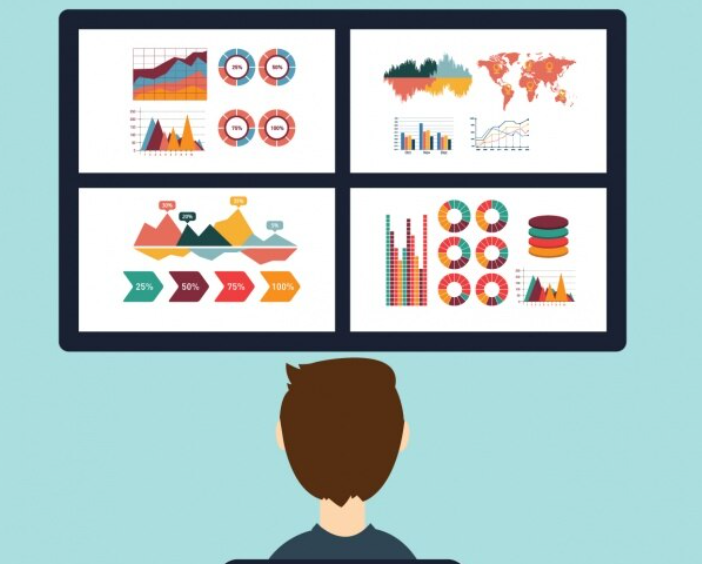
A compliance dashboard reverses that order. It enables leadership to monitor compliance activities in real time, looking at anything from pending regulatory-related tasks to data privacy concerns, preparations for audits, and do incident regulatory reporting.
Table
Component | Purpose |
Key Risk Indicators (KRIs) | Visualize emerging risks across departments |
Policy Status | Track which policies are updated, pending review, or expired |
Incident Tracking | Log and monitor compliance-related incidents or violations |
Regulatory Calendar | Maintain deadlines for audits, filings, and training compliance |
Task Assignments | Highlight open tasks and responsible owners |
Training Completion | Monitor staff participation in mandatory compliance training |
These components not only improve day-to-day oversight but also give executives peace of mind during high-stakes meetings, audits, or board reviews.
How It Helps Executive Reporting
Executives usually have a very busy schedule; nevertheless, they are often faced with making critical decisions related to risk, compliance, and performance. The compliance dashboard removes the confusion associated with many data sets and presents the data via visual summaries such as graphs, alerts, charts, and risk levels.
Unlike in the past, where the members of senior leadership would spend hours sifting through dozens of Excel sheets or manually-based reports, they can now view the data from above in a matter of seconds. For instance, a deep dive into alerts may include:
- An increased rate of data privacy violations triggers immediate policy review.
- Delays in regulatory filings can be flagged as an issue before they develop into fines.
- Supplier compliance inconsistencies may also be reviewed and corrected before procurement decisions are made.
- Regulatory reporting isn’t just simpler; it’s smarter, and it helps organizations transition from reacting to Prevention.
Beyond Compliance
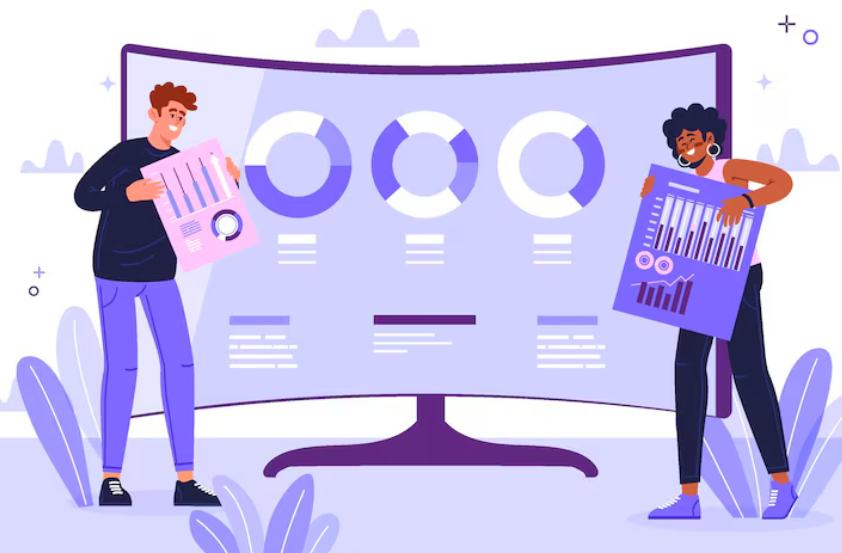
Let’s face it- Compliance cannot be reduced to ticking a box. Doing it right turns it into a business advantage, and dashboards make that possible:
- Transparency: Real-time compliance measure tracking so that everyone stays accountable.
- Efficiency: Countless hours of manual reporting get saved through automated alerts and summaries.
- Risk Management: The identification of important compliance risk has an opportunity for pre-escalation action through the use of compliance dashboards.
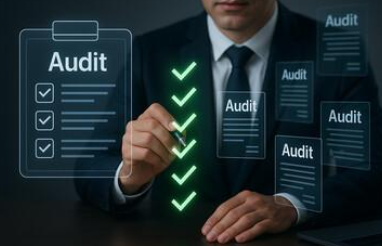
- Audit readiness: Other than having to track down older records, nothing is easier than having related compliance stored together on one display when it comes time for an external audit.
- Culture of accountability: Ongoing tracking keeps compliance strong in mind and accountable to all departments of your organization.
Importantly, the organization’s executive level is no longer unaware of the compliance actions at the operational level. It’s empowering for people to have a clear line of sight on operations, and their level of involvement makes them more effective decision leaders.
Barriers to success
Great compliance dashboards still have the potential for poor messaging when poorly positioned. As such, we can avoid some pitfalls by thinking about:
- Data Dump: Add too many charts or metrics, and it becomes more confusing than meaningful.
- Dormant information: If you are not updating the dashboard, the information becomes irrelevant at the audit time.
- Poor integration: Is the dashboard able to reference data from existing systems or pull from them? If not, it is a wasted tool.
- One size fits all: The dashboard must fit your respective business needs. Not every team will want a view of the dashboard in the same way.
A REGULATORY REPORTING MUST BE DONE.
Conclusion
If you start with a clear understanding of your compliance vision, it will make it easier.
Your compliance dashboard is not only a screen, it’s a leadership tool for an organization to make strategic business decisions from the raw compliance data. It provides all of the organization with another efficient means of regulatory reporting compliance for purposes, enables stakeholder listening, and informs better decisions across the entire organization. A compliance dashboard is a great use of resources for small and large businesses.
Commonly Asked FAQs:
1. What is a compliance dashboard?
A compliance dashboard is a centralized tool that shows real-time data on regulations, risks, and policies. It allows executives to monitor compliance health at a glance.
2. Why is a compliance dashboard important?
It shifts compliance from reactive to proactive management. Instead of finding violations after audits, businesses can spot risks early and take action.
3. How does a compliance dashboard help with regulatory reporting?
By consolidating deadlines, incidents, and tasks into one view, it makes reporting faster and error-free. Automated alerts prevent missed filings or penalties.
4. Can a compliance dashboard work for small businesses?
Yes, small businesses benefit greatly because it saves time otherwise spent on manual reporting. Even simple dashboards bring clarity and audit readiness.
5. What key components should a compliance dashboard have?
It should include KRIs, policy status, task tracking, training completion, and a regulatory calendar. These elements provide both visibility and accountability.
6. How does it improve executive decision-making?
Executives get quick, visual summaries like charts and risk scores instead of long spreadsheets. This enables faster, more informed strategic decisions.
7. Can it reduce compliance costs?Absolutely—by automating manual tasks and catching risks before they become violations, a compliance dashboard helps avoid expensive penalties.
8. How does it support audit readiness?
All compliance data is stored and organized in one place, so audit prep is faster. This means less scrambling for documents and fewer last-minute surprises.
9. Is a compliance dashboard customizable?
Yes, good dashboards are tailored to specific industries and company needs. You can adjust KPIs, risk indicators, and reporting views for different teams.
10. How often should the dashboard be updated?
Ideally, it should refresh in real time or at least daily. Dormant data reduces accuracy and can lead to poor decision-making.
11. What risks does a dashboard help mitigate?
It helps flag data privacy breaches, late regulatory filings, and supplier non-compliance early. This minimizes exposure to fines and reputation damage.
12. Can it integrate with other business tools?
Yes, most dashboards connect with HR systems, ERP tools, and risk management software. Integration ensures data accuracy and reduces duplication.
13. How does it impact company culture?
A compliance dashboard promotes transparency and accountability across departments. Everyone knows their responsibilities and deadlines in real time.
14. Can executives access it on mobile?
Many modern compliance dashboards are cloud-based with mobile access. This helps busy executives review compliance health on the go.
15. How do dashboards handle incident tracking?
Incidents are logged, categorized, and tracked until resolved. This creates a clear record for internal reviews and external audits.
16. What role do alerts play?
Alerts notify teams about urgent issues like policy expirations or overdue filings. This prevents minor issues from escalating into violations.
17. Can a compliance dashboard help with training compliance?
Yes, it monitors training completion rates and sends reminders to employees who haven’t finished mandatory sessions.
18. What are common mistakes in dashboard design?
Overloading it with too many metrics makes it confusing. The best dashboards focus on clarity and display only actionable insights.
19. How does it help boards and stakeholders?
Board members can quickly review risk exposure and compliance status before making big decisions. This boosts confidence in governance practices.
20. Is it useful outside regulated industries?Yes, even non-regulated sectors benefit from better policy tracking and risk management. Compliance dashboards improve operational discipline everywhere.
21. Can it improve supplier management?Definitely—dashboards flag supplier compliance gaps early. This prevents costly issues in procurement or supply chain disruptions.
22. How does it save executive time?
Instead of reading multiple reports, executives get a single dashboard view. This can cut hours of prep time before meetings.
23. Are compliance dashboards expensive to implement?
Costs vary, but many SaaS solutions are affordable for mid-sized firms. The savings from reduced penalties and labor often outweigh the cost.
24. Can it support ESG reporting?
Yes, dashboards can track sustainability, diversity, and governance metrics alongside regulatory requirements for ESG reporting.
25. How does it help with data privacy compliance?
It highlights privacy breaches and tracks mitigation steps. This is crucial for GDPR, HIPAA, and other privacy regulations.
26. Can multiple teams use the same dashboard?
Yes, permissions can be customized so legal, HR, and operations teams see only relevant sections.
27. What is the biggest benefit of using one?Real-time visibility into compliance status across the entire organization. It turns compliance into a strategic advantage rather than a burden.
28. Can dashboards predict future risks?Advanced dashboards use analytics to forecast potential issues. This helps leadership plan mitigation strategies proactively.
29. Are there barriers to success?
Yes—lack of integration, outdated data, and poor training can limit its impact. Proper setup and user adoption are crucial.
30. How do compliance dashboards encourage continuous improvement?
By tracking KPIs and trends over time, they show whether compliance programs are improving. This supports a culture of ongoing optimization.