
5 Smart Ways Risk Management Helps Through Trade Insurance and Contract Protection
Published: Jul 14, 2026
Key Points
- Risk is part of both business and daily life because unexpected problems can happen anytime. Because of this, planning for safety becomes very important.
- Insurance helps people and companies reduce financial loss during accidents, damage, or emergencies. This gives support during difficult situations.
- Another important thing is contract protection because clear contracts help avoid confusion and misunderstandings between people or companies working together.
- Contracts create proper rules related to work, payments, deadlines, and responsibilities. This makes business relationships more organized.
- Businesses feel more secure when they have legal protection and proper agreements during disputes or problems.
- Trust is another important point because customers and business partners feel safer when companies follow proper safety and legal systems.
- Many people ignore risk management at first because they think problems may never happen, but later this can create bigger losses.
- Overall, a simple message that insurance and contract protection help businesses stay stable and prepared for unexpected situations in the future.
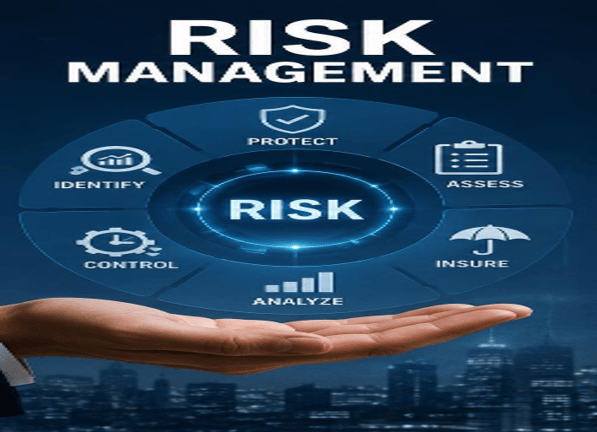
Introduction
In business and even in normal life, risk is always there. Sometimes people face financial loss, accidents, legal problems, or damage which they were not expecting. Because of this, risk management becomes very important. It helps people and companies stay prepared for unexpected problems. Two important parts of risk management are trade insurance and contract protection. These things may sound a little complicated, but they are actually made to give safety and reduce losses during difficult situations.
Today many businesses use insurance and contracts to protect themselves from future problems. Without protection, even a small issue can create a big loss.
What Is Risk Management?
Risk management simply means planning for possible problems before they happen.
It helps people reduce loss and stay safer during uncertain situations. Businesses especially use it because they deal with money, workers, products, and customers daily.
Insurance and contracts are common tools used for this purpose.
1. Insurance Helps Reduce Financial Loss
Insurance gives financial support during unexpected situations.
For example, if a company faces fire, accident, theft, or damage, insurance can help cover some loss. Without insurance, businesses may lose a lot of money suddenly.
This is why many companies take insurance for safety and peace of mind.
2. Contracts Create Clear Rules
Contracts help people understand their responsibilities clearly.
When two people or companies work together, contracts explain what work will happen, payment details, deadlines, and other important conditions.
This reduces confusion and helps avoid arguments later.
3. Protection Against Legal Problems
Sometimes businesses face legal issues or disputes.
Good contracts and insurance policies can help protect companies during such situations. They provide proof and support if disagreements happen.
Because of this, businesses feel more secure while working with others.
4. Builds Trust Between People and Companies
People trust businesses more when proper agreements and protection are there.Customers, employees, and business partners feel safer when companies follow proper rules and safety measures. It creates professionalism and confidence.
This trust is important for long-term growth.
5. Helps Businesses Stay Stable
Unexpected problems can affect business badly. But when businesses plan risks properly, they can recover faster. Insurance and contracts help reduce panic during difficult situations.
This helps companies continue working even after facing problems.
Challenges in Risk Management
Risk management is useful, but it is not always simple. Sometimes insurance can be expensive, and contracts can be difficult to understand properly. Small businesses may also ignore risk management because they feel problems will not happen to them.
But later this can create bigger trouble.
Conclusion
Risk management is very important in today’s world because problems can happen anytime. Insurance helps reduce financial loss, while contracts create clear understanding and protection. Together they help businesses and people feel safer and more prepared. Even though risk cannot be fully removed, proper planning can reduce many problems and make handling situations easier in the future.
Frequently Asked Questions
1: Why is proactive risk management essential for modern commercial operations?
Proactive management identifies vulnerabilities early, allowing companies to deploy tools like trade insurance to shield their cash flow before a crisis hits.
2: How does contract protection function alongside insurance?
While insurance provides a financial safety net for losses, contract protection establishes legal boundaries, making it a critical form of structural risk mitigation.
3: Can small businesses bypass formal contract frameworks safely?
No, skipping formalized agreements leaves a business exposed; skipping them eliminates basic risk mitigation and increases vulnerability to legal disputes.
4: What role does trade insurance play during sudden global supply chain disruptions?
When overseas buyers default or supply lines fail, trade insurance covers the lost revenue so the business stays afloat.
5: How do clear payment terms in a contract protect business revenue?
Explicit payment terms act as built-in risk mitigation by eliminating ambiguity and ensuring legal recourse if a client delays payments.
6: What is the primary downside of ignoring comprehensive corporate coverage?
Ignoring coverage means a single major lawsuit or accident could cause immediate bankruptcy without the protective buffer of trade insurance.
7: How do structured agreements foster better long-term client relationships?
They build trust because both parties know the rules, which serves as an effective relationship-focused risk mitigation strategy.
8: Why do some small enterprises actively avoid setting up these protections?
Many small business owners mistakenly believe crises won’t happen to them, neglecting risk mitigation until a costly issue occurs.
9: Can a business rely solely on insurance without utilizing formal contracts?
No, insurance covers financial damage, but contracts prevent the disputes from happening, meaning true risk mitigation requires using both tools together.
10: How does risk planning contribute to overall macroeconomic stability?
When individual businesses utilize trade insurance, the broader economy becomes more resilient against sudden industry-wide shocks.
Citations & References
[1] “Business Risk Management,” Investopedia. [Online].
Available:
https://www.investopedia.com
[2] “Importance of Insurance in Business,” Forbes. [Online].
Available:
https://www.forbes.com
[3] “Contract Management and Legal Protection,” Harvard Business Review. [Online].
Available:
https://hbr.org
[4] EvePlacement. [Online].
Available:
https://eveplacement.com/
Streamline Your Hiring with Eve Placement
Engage, assess, and recruit top talent through tailored AI hiring challenges that go beyond resumes. Ready to hire better? Contact our research team for a custom consultation.