
Three Ways Fish Oil Affects Your Brain
Published: Jun 24, 2026
Key Points
- DHA serves as a literal building block for your brain, keeping neuron membranes fluid and ensuring efficient cell-to-cell communication.
- The anti-inflammatory properties of fish oil protect brain tissue from chronic stress, helping to preserve memory and reduce the risk of cognitive decline.
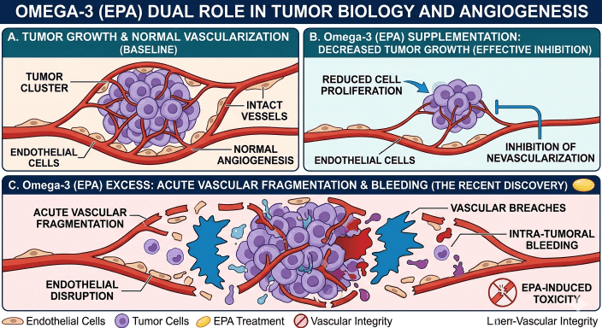
- Groundbreaking research reveals that for individuals with repeated head injuries, the EPA component can unexpectedly weaken blood vessels and hinder the brain's natural healing process.
- Fish oil is not a one-size-fits-all supplement; its benefits depend heavily on your personal medical history and lifestyle risks.
- The ultimate impact of omega-3 supplementation depends entirely on the unique physical history and context of the individual's brain.
Introduction
Fish oil has long been known as a top brain food. It comes from fatty fish such as salmon, mackerel, and sardines, and is rich in omega-3 fatty acids. The main ingredients, DHA and EPA, are important for how our central nervous system works. Although fish oil was once seen as a cure-all, new research shows its effects are more complex.
Here are three key ways fish oil can influence your brain health.
1. Building Block for Brain Structure
One of the main ways fish oil helps the brain is by giving it the basic building blocks it needs. The brain contains a lot of fat, and DHA makes up a large part of the polyunsaturated fatty acids in the cerebral cortex.
When you consume fish oil, DHA integrates directly into the cell membranes of neurons. This process is crucial because it keeps these membranes fluid and flexible. Fluid membranes allow brain cells to change shape, form new connections, and efficiently send electrical signals to one another. Without adequate structural omega-3s, brain cells become more rigid, communication slows down, and basic cognitive tasks like learning and memory formation can become less efficient.
2. Modulating Inflammation and Cognitive Decline
The second way fish oil impacts the brain is through its powerful regulatory effect on cellular inflammation and long-term cognitive aging. As we age, or when the brain is exposed to chronic stress, it experiences a slow-burning form of inflammation known as neuroinflammation. Over time, this state damages brain tissue and accelerates cognitive decline.
The EPA component in fish oil acts as a powerful signaling molecule that helps resolve this inflammation. By producing anti-inflammatory compounds, it protects vulnerable brain cells from oxidative stress. Regular intake of fish oil has been linked to a reduced rate of age-related brain shrinkage, helping older adults preserve executive functions like planning, focus, and abstract thinking while lowering the statistical risk of developing dementia.
3. Altering Recovery Pathways After Trauma
While fish oil generally supports healthy brains, groundbreaking new research shows a third, more complex effect: it drastically alters how the brain behaves following physical trauma. A collaborative 2026 study led by the Medical University of South Carolina revealed that under the specific condition of repeated head impacts—such as those sustained by athletes or military personnel—the EPA in fish oil can backfire.
While DHA continues to offer structural support, high levels of EPA can actually impair the brain’s neurovascular unit during trauma recovery. It weakens the blood vessels, attempting to rebuild, and causes a metabolic vulnerability that leads to a buildup of toxic tau proteins—a signature marker of chronic traumatic encephalopathy (CTE). This reveals that fish oil doesn’t just passively feed the brain; it actively rewires metabolic healing pathways depending on your physical health history.
Conclusion
Fish oil is a potent biological modifier that influences your brain from the structural integrity of its cells to its inflammatory defenses and its response to trauma. While it remains a highly effective tool for general cognitive maintenance, emerging science reminds us that its impact depends entirely on the context of the individual brain. While the DHA in fish oil can help in recovery from a brain injury, the EPA has been proven to be damaging for the same.
Frequently Asked Questions
1: What are the main active components found in these marine supplements?
The primary active ingredients driving changes in the central nervous system are two major omega-3 fatty acids known as DHA and EPA.
2: How does DHA physically interact with our neurons?
DHA integrates directly into the fat-heavy cell membranes of neurons, ensuring they remain fluid enough to change shape and form new cognitive connections.
3: What happens to brain cells if they lack adequate structural omega-3s?
Without these vital fats, cell walls become rigid, electrical communication slows down, and basic cognitive tasks like memory formation become noticeably less efficient.
4: Can dietary fats help protect older adults against natural cognitive decline?
Yes, regular intake helps reduce the rate of age-related brain shrinkage, preserving executive functions like focus, planning, and abstract thinking.
5: What is neuroinflammation and why is it dangerous over time?
It is a slow-burning form of cellular inflammation triggered by aging or chronic stress that damages vulnerable tissue and accelerates cognitive decline.
6: How does the EPA component naturally fight long-term brain aging?
It acts as a powerful signaling molecule that produces anti-inflammatory compounds, protecting vulnerable cells from oxidative stress.
7: Which medical institution discovered that certain omega-3 components can backfire?
A collaborative 2026 study highlighting these hidden metabolic vulnerabilities was led by the Medical University of South Carolina.
8: Why does high EPA intake pose a risk to athletes and military personnel?
Under the specific condition of repeated head impacts, excess EPA impairs the neurovascular unit, causing a metabolic vulnerability during trauma recovery.
9: What toxic protein buildup is associated with chronic traumatic encephalopathy?
Impaired vascular recovery pathways can lead to a dangerous buildup of toxic tau proteins, which serve as a signature marker for CTE.
10: Is fish oil completely unsafe to use after a traumatic brain injury?
While the DHA component helps structural cell recovery from a brain injury, the EPA component has been proven to hinder blood vessel repair.
Citations & References
[1] C. Pelc, “Omega-3s may affect brain repair: Should you avoid them?,” Medical News Today, Apr. 29, 2026. [Online].
Available:
https://www.medicalnewstoday.com/articles/fish-oil-omega-3-brain-health-brain-repair.
[2] “Fish Oil,” MUSC Catalyst, May 14, 2026. [Online].
Available:
https://www.musc.edu/content-hub/News/2026/05/14/fish-oil.
[3] EvePlacement. [Online].
Available:
https://eveplacement.com/
Streamline Your Hiring with Eve Placement
Engage, assess, and recruit top talent through tailored AI hiring challenges that go beyond resumes. Ready to hire better? Contact our research team for a custom consultation.