BALANCING MULTIGENERATIONAL TEAMS
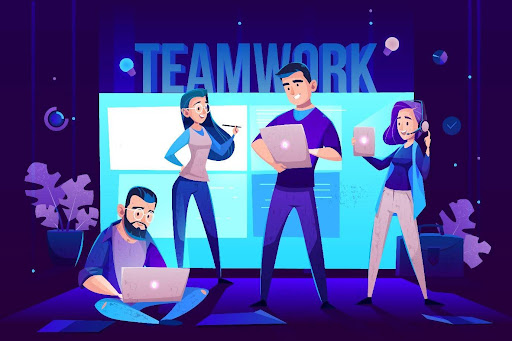
This article is about balancing multigenerational teams being the key to fostering workplace harmony, driving collaboration, and unlocking the strengths of every generation.
Table of Contents
Introduction
– The rise of multigenerational teams in the modern workplace
– Why balancing multigenerational teams is essential for workplace harmonyChallenges of a Multigenerational Workforce
– Differences in communication styles
– Varied values and motivators
– Technology adoption gaps5 Strategies for Balancing Multigenerational Teams
3.1 Promote Mutual Understanding
3.2 Identify and Adjust to Various Motivating Factors
3.3 Encourage an Inclusive Working Culture
3.4 Clearly Define the Expectations
3.5 Use Technology to Unite PeopleBenefits of Workplace Harmony in Multigenerational Teams
– Improved collaboration
– Increased productivity
– Greater creativity and innovationConclusion
– Turning generational differences into strengths
– Building a culture of inclusivity and respect- FAQs
References
5 Strategies for Balancing Multigenerational Teams-
In today’s rapidly changing business environment, one can see a lot of diversity not only in terms of region and gender, but also in terms of age.
When several generations, be it the Boomers or the Gen Z, work together in the same company, it’s known as a multigenerational workforce. Managing multigenerational teams without a set of rules and regulations can be hard work in itself.
Employees of each generation carry a unique set of opinions and skills. However, the main point to note is that the different perspectives may also lead to miscommunication. This miscommunication and potential conflicts may hinder the workplace harmony of any organization. To manage all this, one needs to learn the art of managing multigenerational teams.
One needs effective strategies that promote inclusivity, respect, and cooperation for maintaining workplace harmony.
Below are a few techniques of balancing multigenerational teams.
- Promote Mutual Understanding
The first step in balancing a multigenerational team is establishing a culture of listening , presenting opinions and holding communication. Every generation has had distinct upbringings. Millennials and Gen Z frequently prefer various communication platforms and social media, while Baby Boomers may prefer in-person meetings, and Gen X may prefer emails.
Managers should encourage every person for their technique and way of doing things, and promote everyone’s communication style
- Identify and Adjust to Various Motivating Factors
Values vary from generation to generation. When it comes to inspiring their staff, managers should try to customize the rewards based on the generational preferences of the employee. This customization makes a significant impact on motivating the workforce and makes them feel seen.
- Encourage an inclusive working culture
Encourage cross-generational collaboration among team members. Developing collaborative mentoring programs or planning multigenerational events might help people respect and support one another better. Knowledge gaps are less likely to occur in a truly inclusive workplace, which also creates more powerful connections.
- Clearly define the expectations
Teams with varying generations may become confused by ambiguity. By clearly defining roles, feedback paths, and work style expectations, one can bring together everyone around common targets. Reiterate your expectations frequently and with consistent check-ups.
- Use technology to unite people.
Technology can be used to unite generations by learning with one another. While younger generations usually embrace new tools with ease, older team members may find the rapid changes within technology too much to handle.
Giving each team member the direction and support they require to use the required tools with assurance is the key. One needs to promote knowledge sharing and provide onboarding sessions.
Conclusion
Creating a work environment where all employees, regardless of age, feel appreciated and understood is the goal of balancing multigenerational teams. Employers need to make employees feel seen, and this can increase productivity. More creativity, improved teamwork, and long-lasting workplace harmony follow from this.
Businesses can, hence, transform the problem of a multigenerational workforce into assets and can even increase effectiveness by implementing various policies, team bonding sessions, transparent communication, and personalized rewards. It is the duty of leaders to make sure that the team with a multigenerational workforce thrives.
FAQs on Balancing Multigenerational Teams for Workplace Harmony
1. What does balancing multigenerational teams mean?
Balancing multigenerational teams refers to managing employees from different age groups—such as Baby Boomers, Gen X, Millennials, and Gen Z—so they can collaborate effectively while respecting each other’s strengths and perspectives.
2. Why is workplace harmony important in multigenerational teams?
Workplace harmony ensures smooth communication, reduces conflicts, and fosters collaboration. In a multigenerational workforce, harmony is essential for improving productivity, creativity, and overall employee satisfaction.
3. What are the main challenges in managing multigenerational teams?
The main challenges include differences in communication styles, varying values and motivations, resistance to new technologies, and potential miscommunication due to generational gaps.
4. How can leaders promote workplace harmony among different generations?
Leaders can promote workplace harmony by encouraging mutual understanding, respecting diverse communication preferences, offering personalized rewards, creating inclusive work cultures, and clearly defining roles and expectations.
5. How does technology help in balancing multigenerational teams?
Technology bridges the gap between generations by enabling collaboration tools, virtual meetings, and knowledge-sharing platforms. Younger employees can mentor older colleagues on digital tools, while older employees provide experience-based insights.
6. What role does inclusivity play in managing multigenerational teams?
Inclusivity fosters respect, cooperation, and knowledge sharing across age groups. By creating mentoring opportunities and cross-generational collaboration, inclusivity ensures everyone feels valued regardless of age.
7. Can balancing multigenerational teams improve productivity?
Yes. When teams are balanced and workplace harmony is maintained, organizations experience higher productivity, innovation, and stronger collaboration, ultimately leading to long-term success.
References
[1] | “https://www.rippling.com/blog/multigenerational-workforce”. |
[2] |
Penned by Samidha Taneja
Edited by Ritika Sharma, Research Analyst
For any feedback mail us at [email protected]
Streamline Your Hiring with Eve Placement’s Custom Assessments
Eve Placement helps you engage, assess, and recruit top talent through tailored hiring challenges that go beyond resumes. From technical quizzes and real-world case studies to psychometric evaluations and audio/video submissions, our platform enables smarter, data-driven hiring decisions. Advanced security features ensure authenticity and eliminate fraud, giving you reliable results. Ready to hire better? Know More.
Mail us at [email protected]