
6 Powerful Steps to Build Impactful Alumni Career Panels Online
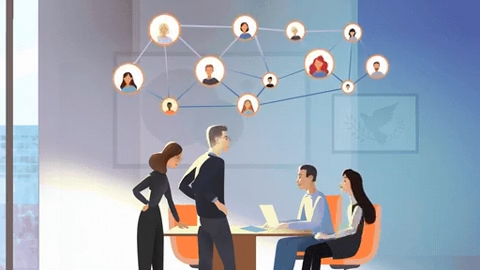
6 Tips for Effective Alumni Panels
Introduction
The use of alumni as an instrument that can aid students to improve their careers is not only becoming a necessity, but it is also a useful strategic activity as learning institutions get exposed to the digital era. Putting up alumni career panels online is one of the best ways to add value for students and young professionals. These online gatherings help students get career guidance from people who have been in their position before, build networks of industry knowledge, and promote professional mentorship.
When implemented effectively, such panels are not a mere webinar, but a long-term relationship-building platform, as well as a skills development and cross-generational coaching platform. However, building and maintaining effective alumni career panels online requires planning, execution, and follow-up.
This post will offer six strategic measures you can take to build valuable virtual career panels that are noticed and felt by the alumni and students, but that also support the culture of mentorship within your institution.
Determine Purpose and the Audience
As you prepare your panel, make it clear what you are trying to accomplish. Are you attempting to reach final-year students seeking to get guidance on job searches? Or pupils in early years seeking career information? Defining who you will focus on will assist in creating your agenda and who to invite to the alumni.
Additionally, it ensures that the information is current. Alumni can customise their contributions to provide individualised professional mentoring that fits with students’ academic and career levels when the goals are clearly stated.
Curate Diverse and Engaging Alumni Speakers
Your panel is a strong one in the quality and variety of people who are on it. Choose alumni across industries and industries and graduation years and career fields. This diversity adds value to the debate and ensures that students from different disciplines relate to it.
Use alumni offices or LinkedIn, or university databases to reach out. When issuing an invitation, point to the potential impact and influence that their attendance could have not only on students but also on alumni, reinforcing their connections to the institution.
Having a variety of energetic panelists ensures a dynamic online audience and increases student presence and participation in the alumni career panel.
Employ Trustworthy and Interactive Online Outlets
Opt to use a platform with good quality video conferencing and other interactive tools like live Q&A, polls, and management of breakout rooms. Applications such as Zoom, Microsoft Teams, and Webex can enable organizers to deal with a large audience, all the while maintaining mutual connections between the student and alumni populations.
The pre-event technical check is also a factor that should be given serious consideration. Ensure speakers feel they are able to use the platform and conduct a briefing. A technically smooth experience enhances credibility and encourages active participation, key factors in effective professional mentorship delivery.
Prepare Moderators and Structured Agendas
A moderator is what can make your virtual panel or break it. Choose one who knows how to drive the flow of conversation, knows how to manage time, and makes the discussions interesting. Preferably, it is a faculty member, placement officer, or a trained student leader.
Write an itinerary of set topics: early choices in careers, industry secrets, up-skilling hints, and failure. Allow sufficient space and time for student questions. When the agenda is shared in advance with panelists, they are able to come up with meaningful, effective responses.
This construct makes your alumni career panel a more purposeful, enriching experience as opposed to a loosely structured webinar.
Market Strategically and Stimulate Ahead of Game Playing
Turnout requires promotion. Leave ample time to announce to students by use of emails, electronic posters, media, and campus newsletters. Share bio profiles and topics of panelists in the messages to attract attention.
Also, pre-stimulate student questions. This allows alumni to address real concerns and prepares them for meaningful professional mentorship interactions. This early participation will also make the shy students more active during the live session.
Follow-Up, Feedback, and Continuity
The influence of a panel need not close up as the party closes. Send a final follow-up with main takeaways, alumni LinkedIn profiles, and resources discussed in the session. How does this sound, about a short feedback survey, to gauge success and solicit improvement thoughts?
To keep the energy alive, transform successful panels into a recurring series, or present access to 1:1 mentoring with alumni. An effective follow-up plan will flip your once-in-a-lifetime alumni career panel online into a continuing cycle of mentorship.
Conclusion
Institutions in an increasingly globalized, digitized, and competitive world are finding new and innovative methods of ensuring that the students are linked to the world. Universities and colleges build a connection between academics and business based on mutual experience and trust by holding organised, considerate alumni career panels online.
In addition to providing priceless professional mentoring, these gatherings fortify alumni networks and improve the standing of the university. These panels will rank among the most useful tools in a university’s career development arsenal when the right preparation, technology, and implementation are in place.
Begin taking these six steps now to make tribal panels that are motivational, informational, and provide relationships.
FAQs
Q1. What is an alumni panel?
An alumni panel is a structured event where former students share experiences, insights, and career advice with current students.
Q2. Why is an alumni panel important?
An alumni panel is important because it connects students with real-world experiences, mentorship, and networking opportunities.
Q3. How can universities organize an alumni panel?
Universities can organize an alumni panel by defining goals, selecting diverse speakers, choosing a platform, and promoting effectively.
Q4. What topics should be covered in an alumni panel?
An alumni panel should cover career journeys, industry insights, skill-building, networking strategies, and lessons learned.
Q5. How does an alumni panel benefit students?
Students benefit from an alumni panel through mentorship, exposure to industry trends, and practical advice for career preparation.
Q6. Can an alumni panel be held online?
Yes, an alumni panel can be hosted online using tools like Zoom, Teams, or Webex, ensuring wider participation and interaction.
Q7. What role does a moderator play in an alumni panel?
A moderator ensures smooth flow, manages time, and guides alumni panel discussions to keep them engaging and purposeful.
Q8. How do you select speakers for an alumni panel?
Speakers for an alumni panel should be diverse, covering different industries, graduation years, and professional achievements.
Q9. How should universities promote an alumni panel?
Promotion of an alumni panel can be done through newsletters, social media, posters, and sharing alumni bios before the event.
Q10. What are the challenges in hosting an alumni panel?
Challenges in an alumni panel include technical issues, lack of student engagement, and difficulty in securing diverse alumni speakers.
Q11. How does feedback improve an alumni panel?
Feedback helps improve an alumni panel by identifying strengths, addressing weaknesses, and shaping future panel sessions.
Q12. How does an alumni panel strengthen alumni relations?
An alumni panel strengthens alumni relations by fostering long-term connections, mentorship culture, and continued institutional loyalty.
References
[1] A. Thompson, “The Role of Alumni in Career Development,” Journal of Higher Education Outreach and Engagement, vol. 26, no. 3, pp. 55–70, 2022. [Online]. Available: https://openjournals.libs.uga.edu/jheoe
[2] S. Kaur and M. Desai, “Virtual Mentoring: A New Era of Alumni Engagement,” International Journal of Education and Development using ICT, vol. 19, no. 1, pp. 87–94, 2023. [Online]. Available: https://ijedict.dec.uwi.edu
[3] D. Patel, Building Mentorship Cultures in Higher Education, Springer, 2021.
[4] M. Li, “Digital Platforms for Virtual Career Events: A Comparative Study,” in IEEE Transactions on Learning Technologies, vol. 15, no. 4, pp. 334–342, Oct.-Dec. 2022. [Online]. Available: https://ieeexplore.ieee.org
[5] C. Evans and J. Allen, “Strategic Alumni Engagement through Online Panels,” Journal of Career Services in Education, vol. 17, no. 2, pp. 45–59, 2023. [Online]. Available: https://jcsed.org
Penned by Mehak
Edited by Hamid Ali, Research Analyst
For any feedback mail us at [email protected]
Streamline Your Hiring with Eve Placement’s Custom Assessments
Eve Placement helps you engage, assess, and recruit top talent through tailored hiring challenges that go beyond resumes. From technical quizzes and real-world case studies to psychometric evaluations and audio/video submissions, our platform enables smarter, data-driven hiring decisions. Advanced security features ensure authenticity and eliminate fraud, giving you reliable results. Ready to hire better? Know More.
Mail us at [email protected]