
A New Era of Campus Identity
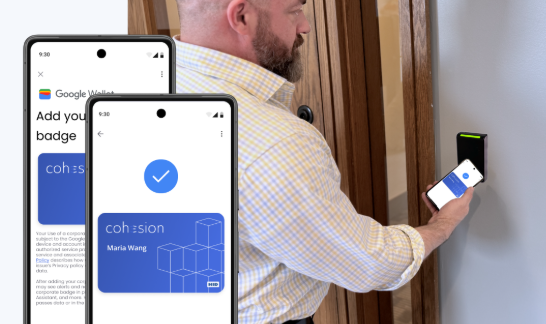
Smart Badge Campus systems are defining the use of both convenience and safety in an era where the two must be used together. A game-changer on campuses all over the world, the innovation in ID Technology and everyday practicality make contactless badge issuance great. They can streamline the life of students, faculty, or staff with simple touchless access control, but can also enable more powerful and multi-purpose credentials without ever threatening security.
Why Go Contactless
- Speed and Ease- Standing in a queue to obtain a new photo identification card is something of the past. Rather, contactless Smart Badge systems allow authorized user personnel to print or activate a badge within seconds–typically, by waving a phone, card, or token within the range of a kiosk or reader.
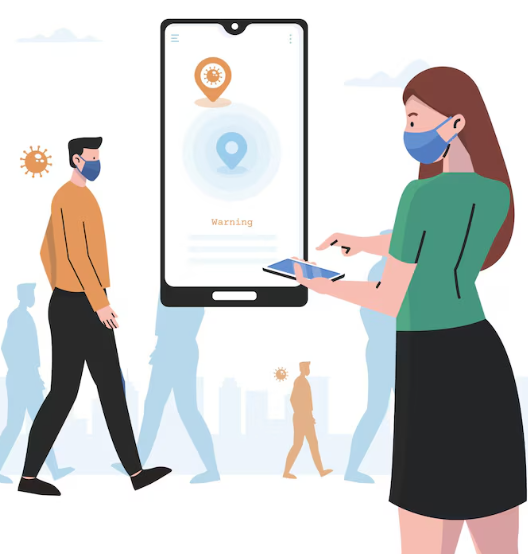
- Safety First- Fewer germs are spreading around because there are no common surfaces. Especially in the post-pandemic life, when the reduction of physical connections remains an essential concern.
- Flexibility and Integration- Smart Badge campuses indicate much more than a door opener. They are able to print, purchase food, access systems, or even check attendance. The presence of these multitasking IDs makes life easier on campus.
- Steeled Cruelty, Wiser Governance- By encrypting the information residing on the contactless badges and providing time-limited permission to access the data, it becomes more difficult to abuse lost or stolen badges. Administrators are able to track usage in real-time and revoke credentials nearly instantly as required.
How It Works
Registration- They register using photos of the ID and authenticate the identity. The system records their information and provides them with a digital credential.
Badge Issuance- Contactless issuance may occur through secure kiosks that have RFID or NFC readers-no physical contact is required. These kiosks may be either physical plastic smart card printers or digital credential linkers to a mobile app.
Use of Credentials- As soon as it is issued, the physical or digital smart badge becomes the key. Bang, bang at doors, at dining halls, at libraries, at laboratories–at everything. The card uses secure communication with the readers and updates centrally in real time.
Management Tools- There is also backend software that admins use to track usage, change access rights, disable badges that are lost or lapsed, and create reports that support compliance and safety audits.
Considerations to Keep in Mind
- Initial Cost- Contactless kiosks, readers, and infrastructure upgrades require capital investment.
- Technical Integration- The system should also be capable of integrating with other available databases, door hardware, meal plans, and print shops.
- Privacy Concerns- Use of tracking cards requires policy and openness. Students and employees should know how their information is obtained and how it is secured.
- Device Diversity- Not everyone has a smartphone or the newest model. Physical badges, mobile apps, and fallback should also be supported by systems.
Future Trends
- Mobile-First Credentials– Digital credentialing in students’ wallets or secure enclaves of the phone is where many campuses are heading. Finally, the physical card is likely to be optional.
- Biometric Blends– Contactless badges of the future can be matched to fingerprint, facial recognition, or iris identification- without having to touch surfaces.
- IoT Integration– We can have badges that talk to intelligent lockers, intelligent doors, and even intelligent settings of the classroom as the individual enters.
Final Thoughts
Implementing Smart Badge Campus solutions that run on hi-tech ID Technology is much more than a convenience upgrade; it is a strategic progress towards safer, as well as more efficient and integrated campus life. Contactless systems can be fast to launch, secure when they need scaling, and multifunctional, regardless of whether physical plastic cards are issued or the credentials are on a mobile basis. Campus identity has entered the future; it is connected, safe, and touch-free.

Commonly Asked FAQs:
1. What is a Smart Badge Campus system?
It’s a modern ID system using NFC or RFID technology to provide students and staff with secure, contactless credentials for multiple campus functions.
2. Why are Smart Badge Campus systems becoming popular?
They combine convenience, safety, and efficiency, making them ideal for today’s digital-first and health-conscious environments.
3. How does contactless badge issuance work?
Users register digitally, and their badge—physical or mobile—is activated instantly through secure kiosks or apps without physical touch.
4. What benefits do Smart Badge Campus systems provide for students?
Students enjoy faster access, reduced waiting times, and multi-purpose IDs that handle dining, attendance, and campus access.
5. How do Smart Badges improve campus safety?
Encrypted credentials, real-time tracking, and instant deactivation of lost or stolen badges enhance overall campus security.
6. Can Smart Badge Campus systems reduce the spread of germs?
Yes, they eliminate the need for shared touchpoints like keypads, reducing physical contact and supporting post-pandemic safety.
7. What types of credentials can be issued?
Both physical smart cards and digital mobile credentials can be issued, giving flexibility for diverse users.
8. Do Smart Badge Campus systems support smartphones?
Yes, many campuses now integrate badges into digital wallets or secure apps, making phones an alternative to plastic IDs.
9. How do administrators manage Smart Badge Campus systems?
They use backend software for access control, credential revocation, reporting, and compliance monitoring.
10. Can Smart Badge Campus systems track student activity?
They can log usage at facilities like libraries or dining halls, but policies must ensure transparency and data protection.
11. What are the cost considerations for Smart Badge implementation?
Campuses need to budget for kiosks, card printers, readers, and software integration, though long-term savings are significant.
12. How do Smart Badge systems integrate with existing campus infrastructure?
They connect with door hardware, databases, payment systems, and learning management tools for seamless functionality.
13. Are Smart Badge Campus systems customizable?
Yes, campuses can configure permissions, designs, and features to align with their policies and branding.
14. What happens if a badge is lost or stolen?
It can be remotely deactivated instantly, preventing unauthorized access and protecting personal data.
15. Do Smart Badges support meal plans?
Yes, they can integrate with campus dining systems for quick, cashless food purchases.
16. How are Smart Badge credentials secured?
Encryption, tokenization, and time-limited permissions protect sensitive user information.
17. Can Smart Badge systems be used for event attendance?
Absolutely, they can scan and verify students at lectures, events, and exams with real-time reporting.
18. Do Smart Badges replace traditional keys?
Yes, they can function as digital keys for dorms, labs, classrooms, and offices.
19. What role do Smart Badges play in governance?
They give administrators control with audit trails, compliance tools, and instant access rights management.
20. How do Smart Badges improve efficiency on campus?
By reducing wait times, eliminating manual verification, and automating access and payments.
21. Can Smart Badge Campus systems support multi-campus universities?
Yes, centralized platforms allow seamless use across multiple campuses and locations.
22. How do Smart Badges help with student onboarding?
They simplify orientation by instantly issuing credentials during enrollment.
23. Are Smart Badge Campus systems environmentally friendly?
Yes, digital mobile credentials reduce plastic waste from traditional ID cards.
24. Can Smart Badges integrate with biometric technology?
Future trends include blending badges with fingerprint, facial recognition, or iris scans.
25. What if not all students have smartphones?
Physical cards remain an option, ensuring inclusivity for all users.
26. How do Smart Badge systems handle compliance?
They generate reports for safety audits and meet data privacy regulations when implemented responsibly.
27. Do Smart Badges work for faculty and staff too?
Yes, they provide secure access, payroll integration, and resource tracking for employees.
28. Can Smart Badge Campus systems enhance library use?
Yes, students can check out books or access study rooms with a single badge.
29. Are Smart Badge systems scalable?
They are designed to expand with growing student populations and additional campus facilities.
30. Can Smart Badges support printing services?
Yes, they can authenticate students at campus printers or labs without physical cash.
31. What are the main privacy concerns with Smart Badges?
Tracking must be transparent, and institutions should clearly state how data is collected and stored.
32. Do Smart Badge systems require internet access?
Yes, for real-time updates, but offline fallback modes can be built in for emergencies.
33. Can Smart Badges work internationally?
Yes, many systems are compatible across regions, but local compliance laws must be followed.
34. How fast can Smart Badges be issued?
Most systems allow instant issuance within seconds through kiosks or mobile activation.
35. Do Smart Badge Campus systems help during emergencies?
Yes, they allow quick lockdowns, restricted access, and tracking of who is inside facilities.
36. Are Smart Badges only for large universities?
No, even small colleges benefit from streamlined access and safety improvements.
37. Can Smart Badges be integrated with IoT devices?
Yes, they can connect to smart lockers, classrooms, and even adaptive lighting systems.
38. How do Smart Badge systems future-proof campuses?
By adopting mobile-first, biometric, and IoT-ready technologies, campuses stay ahead of digital trends.
39. Do Smart Badge systems save money in the long run?
Yes, by reducing manual processes, lowering security risks, and cutting replacement costs.
40. Why are Smart Badge Campus systems the future of campus identity?
They combine convenience, safety, and technology into a single, multifunctional solution for modern campuses.
41. How does a Smart Badge Campus improve student safety?
It encrypts data and enables quick deactivation of lost or stolen badges.
42. Can Smart Badge Campus systems track attendance automatically?
Yes, badges can log entry at classrooms or labs, making attendance seamless.
43. Do Smart Badge Campus badges replace physical keys?
Yes, they act as secure digital keys for doors, labs, and facilities.
44. Are Smart Badge Campus IDs eco-friendly?
Digital credentials reduce plastic card usage, supporting campus sustainability.
45. Can parents benefit from Smart Badge Campus systems?
Yes, some systems allow parents to monitor access and dining balances.
46. How fast is Smart Badge issuance on campus?
Badges can be issued within seconds via kiosks or mobile apps.
47. Is Smart Badge Campus suitable for small colleges?
Yes, systems can scale for both small institutions and large universities.
48. What happens if internet goes down?
Badges often work offline temporarily and sync once the network is restored.
49. Can Smart Badge Campus integrate with learning platforms?
Yes, credentials can link to e-learning tools and student portals.
50. Do Smart Badge Campus systems support multiple languages?
Yes, many platforms provide multilingual support for diverse campuses.
51. Are Smart Badge Campus credentials reusable?
Yes, old badges can be reprogrammed for new students or staff.
52. Can Smart Badge Campus help during emergencies?
They allow instant lockdowns or access restrictions for safety.
53. Do Smart Badge Campus badges expire automatically?
Yes, admin can set time-limited access for temporary users.
54. Is Smart Badge Campus compatible with wearables?
Yes, credentials can be loaded onto smartwatches or wristbands.
55. Can Smart Badge Campus be used for payments?
Yes, students can pay for meals, printing, or events using badges.
56. How secure are Smart Badge Campus mobile apps?
They use encrypted communication and often include two-factor authentication.
57. Can Smart Badge Campus reduce administrative work?
Yes, automation cuts down manual ID distribution and tracking.
58. Are Smart Badge Campus systems customizable?
Yes, schools can design features to fit their specific policies.
59. Do Smart Badge Campus systems support alumni access?
Yes, badges can be extended for alumni library or event privileges.
60. What industries inspire Smart Badge Campus design?
They borrow security models from healthcare, finance, and corporate ID systems.
References
[1] Campuses shifting from physical to mobile credentials, modernizing infrastructure for inclusive, mobile-first access: Campus Technology
[2] University of Sydney’s move to NFC-enabled mobile student IDs ID Tech
[3] Digital student IDs streamline access, payments, and operations on phone apps or wallets identisys.comacftechnologies.com
[4] Advice on building agnostic identity infrastructures for campuses that adapt over time: CampusIDNews
[5] Image Source- https://cdn.prod.website-files.com/63ebffe26f148f56701c191a/66fda7a830dcb5351cb181a5_Google%20Image.png