
Navigating the new placement rounds: 6 winning tactics for skill-based success
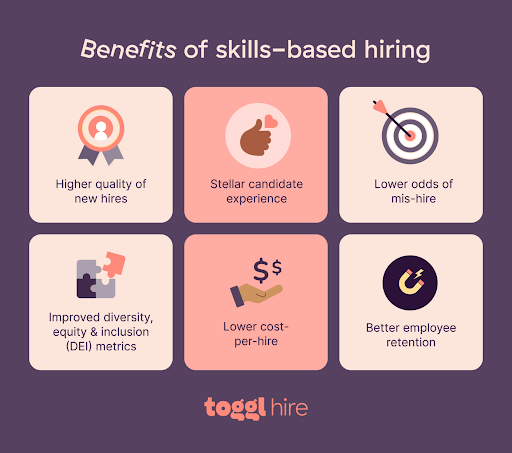
Table of Contents
-
Introduction
-
Understanding Skill-Based Interviews
-
The Rise of New Placement Rounds
-
Preparing for Skill-Based Interviews
-
Six Winning Tactics for Skill-Based Success
-
Using Skill Interviews to Build a Career
-
Conclusion
- FAQs
-
References
In today’s competitive world full of advancement and technology, acing a skill-based interview in the job market has become important for candidates seeking to get their desired roles for a better future. Skill-based assessments, often integral to new placement rounds, focus on checking candidates’ thorough knowledge of practical abilities and competencies rather than just theoretical knowledge or generic interview answers. Understanding the refinements of these assessments and preparing accordingly can definitely improve one’s success rate to become the best version of oneself. This article explores how to navigate skill-based assessments effectively and efficiently, with insights into the evolving nature of new placement rounds.
Understanding Skill-Based Interviews
A skill-based interview is a line-by-line process where candidates provide answers to questions allocated to them in order to test their skill, not only theory-wise but also based on experiences, to get the best candidate possible for the required job.As opposed to conventional interviews which can be personality-based or focus on overall experience, skill-based interviews examine particular competencies- so problem-solving, communication, adaptability and time management. This is a technique used by employers to forecast the performance of the candidate in the actual work situation by questioning about previous experiences and reaction to situations. This approach provides a more objective measure and how they can tackle that problem with real-life experiences and techniques.
The Rise of New Placement Rounds
Placement rounds have improved significantly over time, especially in the technology and corporate sectors. Traditional placement processes that once totally depended on general aptitude tests and HR interviews now incorporate multiple rounds focused on coding, technical skills, situational problem-solving, and finally skill-based interviews to have the best candidate for the job. These new placement rounds are designed to check and have thorough knowledge of a candidate’s overall abilities, not just their technical skills. Many companies now have several rounds — starting with coding tests, then technical interviews, and finally skill-based interviews to see if the candidate would work well with the company’s culture and has good people skills.
Preparing for Skill-Based Interviews
Preparation is the most important factor in acquiring skill-based interviews, as it can allow candidates to have experience of what can be asked and what has been asked in the interviews. Candidates should:
- Have thoroughly gone through Past Experiences related to the jobs needed by the candidate: Prepare concrete examples from previous roles or academics where these skills were demonstrated successfully.
- Practice previously asked as well as common questions related to the topics needed: Questions often prompt candidates to describe situations where they showcased essential skills like leadership, conflict resolution, adaptability, or innovation.
- Be Truthful/actual regarding all the experiences: The interview is supposed to learn about the actual past behavior, skills application, therefore, answers must be true and accurate.
- Improve Soft Skills: It is common that communication, teamwork, and problem-solving are stressed, therefore, pay attention to them to make a great impression.
Using Skill Interviews to Make a Career
A skill based interview will help you access the companies and the positions and give you the most appropriate opportunities to get success. They also provide the candidates with the platform to show their ability not only in their technical knowledge and experience but also important skills in teamwork and leadership. In the case of job seekers, passing such tests means they are prepared to face the challenges of the job with confidence, which forms a promising career who can grow and expand their possibilities with new placement rounds.
Conclusion
The evolving placement rounds and skill-based interviews are the turn towards more realistic and ability-based hiring methods. Strategic preparation, which involves reflecting on previous experience, honing soft skills, and problem-solving practises, can help such candidates to be more successful in competitions. Instead of perceiving such rounds as pitfalls, the aspirants need to see them as a chance to demonstrate their willingness to face challenges in reality. By learning these six techniques, not only will job seekers be able to shine through the interview session, but also they will be able to establish a stable and satisfying career path in the current competitive job market.
FAQs
-
What is skill-based success?
Skill-based success means achieving career goals through demonstrated abilities rather than just qualifications. -
What is a skill-based interview?
It’s an interview that evaluates practical skills, problem-solving, and adaptability. -
How do skill-based interviews differ from traditional ones?
Traditional interviews focus on personality and academics, while skill-based interviews test real abilities. -
Why are skill-based interviews important in placements?
They ensure the best match between candidates’ skills and job requirements. -
What skills are commonly assessed?
Communication, teamwork, adaptability, leadership, and problem-solving. -
How can candidates prepare for skill-based interviews?
By practicing real-life examples, improving soft skills, and being truthful about past experiences. -
What role do coding rounds play in placements?
They assess technical and logical skills before the skill-based interview stage. -
Can freshers achieve skill-based success?
Yes, by showcasing academic projects, internships, and soft skills. -
What mistakes should candidates avoid?
Exaggerating experiences, ignoring soft skills, and lack of preparation. -
How do employers benefit from skill-based hiring?
They get higher-quality hires, better retention, and lower mis-hire risks. -
Does skill-based hiring improve diversity?
Yes, it focuses on ability over background, promoting equity and inclusion. -
Why is honesty critical in skill-based interviews?
Employers evaluate real past behaviors, so truthful answers are valued. -
How do soft skills contribute to skill-based success?
They show teamwork, communication, and adaptability, crucial in any workplace. -
What industries use skill-based interviews the most?
Technology, consulting, healthcare, and corporate sectors. -
How can candidates practice effectively?
By rehearsing mock interviews and reviewing past placement questions. -
What is the biggest advantage of skill-based success for candidates?
It builds confidence and opens better career opportunities. -
How do employers measure skill-based success?
By evaluating employee performance, retention, and culture fit. -
Is skill-based success limited to technical roles?
No, it applies to all sectors including management, HR, and creative jobs. -
What is the future of placement rounds?
More emphasis on skill-based hiring over theoretical tests. -
How can skill-based interviews shape a long-term career?
They prove candidates’ readiness for challenges, leading to growth and promotions.
References
[1] Indeed Editorial Team, “Skills-Based Interview: Definition and Examples,” Indeed Career Guide. [Online]. Available: https://www.indeed.com/career-advice/interviewing/skills-based-interview. [Accessed: Sep. 12, 2025].
[2] TakeUForward, “SDE Off Campus Placement Calendar for Freshers,” TakeUForward. [Online]. Available: https://takeuforward.org/interviews/sde-off-campus-placement-calendar-freshers/. [Accessed: Sep. 12, 2025].
[3] GeeksforGeeks, “Interview Experiences,” GeeksforGeeks. [Online]. Available: https://www.geeksforgeeks.org/interview-experiences/placements-gq/. [Accessed: Sep. 12, 2025].
Penned by Ankit Raj
Edited by Ridhima Sharma, Research Analyst
For any feedback mail us at [email protected]
Streamline Your Hiring with Eve Placement’s Custom Assessments
Eve Placement helps you engage, assess, and recruit top talent through tailored hiring challenges that go beyond resumes. From technical quizzes and real-world case studies to psychometric evaluations and audio/video submissions, our platform enables smarter, data-driven hiring decisions. Advanced security features ensure authenticity and eliminate fraud, giving you reliable results. Ready to hire better? Know More.
Mail us at [email protected]