How to Build a Professional LinkedIn Profile
This is because in this world anything and everything is just a click away from all the other places, and to stay professional online makes sense. If you are a student, a new graduate, or a professional, LinkedIn profiles tips can get you on the right track to building a platform that reflects a catalogue of accomplishments, relationships, and doors to career networking. LinkedIn, from which over 1 billion people around the world access the app, has more than 100 million users in India.
Your first impression on a potential recruiter, colleague, and mentor can be a nice profile. With over 1 billion users globally and over 100 million alone in India, LinkedIn is the biggest professional networking site.
This rapid Indian growth, a 19% year-over-year rate up to 2023, with student registrations growing by 73%. illustrates the site’s growing traction among professional youth. Linkedin profile tips and career networking is essential a person career development.
1: Start Strong with a Good Foundation
Your headline and profile picture are the first two things others see. Therefore, provide a clear, high-quality shot of yourself in business attire. This establishes a trust and right off the bat shows you’re serious. Next, draft a powerful, specific headline. Go for more specifics rather than the clichéd “Student at XYZ University”, perhaps “”Economics Undergrad | Research Enthusiast | Future Data Analyst.” That gives recruiters a sense of your aspirations.
The “About” section must inform the recruiters about who you are, what you like to do, what you can do, and what you are looking for. Keep it short but impactful. Use short sentences or bullet points to ensure that it is easy to read.
2: Highlight Academic and Project Work
Even if you don’t have full-time work experience, you can use the “Experience” and “Projects” sections to describe internships, campus jobs, competitions, or volunteer work. Be concrete, the organization you worked for, the role you played, what you worked on, and the result. Quantify your outcomes wherever possible.
Instead of “Managed a college event,” say “Led a team of 10 to organize a college seminar with more than 250 students present.” Include relevant classes or course projects under “Education.” Catalogue accomplishments and interests, subjects, and clubs you were in.
Make effective use of the “Skills” section. List technical skills (Excel, Python, Canva) and soft skills (public speaking, teamwork). Endorsements are pleasant but not a must.
3: Network Strong
LinkedIn power lies in its ability to connect professionals across various industries and fields; start by connecting with your seniors, classmates, professors, and internship peers. Send them personalized connection invites rather than the default message, this increases acceptance rates.
Become members of career-specific groups. For example, if your career interest field is marketing, then be a member of “Digital Marketing India” or “Marketing Students Network.” These allow you to learn from career news and discover opportunities.
Also, make an effort to post yourself, e.g., internship tips or valuable takeaways from a course. This is a sign of initiative and credibility gained.
4: Leverage LinkedIn for Career Growth
Most students remember LinkedIn only during placements, but the strength of LinkedIn is in ongoing career networking. Follow companies of interest. Activate job alerts by your preference for a job role and locality. Network with alumni of your college who work in your favourite firms and pose appropriate questions—but don’t start by requesting a referral. Start a conversation instead.
More than 70% of Indian hiring managers now use LinkedIn as their primary screening tool for junior recruits and interns, based on a 2025 Economic Times report of the LinkedIn India Hiring ROI survey.
This is the evidence that staying current on your profile can dramatically improve your search potential. You can instead utilise the “Featured” section of your profile, where you might include certificates, a CV, media, or links to articles and presentations. This makes your profile more interactive and shows your expertise.
5: Keep It Up-to-Date and Be Professional
Consider LinkedIn as an active resume. Revise it as soon as you finish an internship, project, or course. To recruiters reviewing profiles, this displays status and career advancement.
Steer clear of updates pertaining to your life, humour, or memes. LinkedIn is meant for business. Recruiters are known to evaluate profiles as a leading indicator of a professional’s behaviour.
Refrain from leaving your profile blank or writing empty words while maintaining a sparkling reputation and polished resume. Stay professional, and mind your spelling, grammar, and language.
You can also enable the “Open to Work” feature, wherein recruiters will be made aware that you are open to opportunities.
Conclusion
Learning these tips for LinkedIn profiles is not just about being photogenic on the internet. It’s presenting your skills and experiences professionally and systematically that distinguishes you from others. Whether career networking with fellow peers or industry leaders, your LinkedIn profile is a dynamic resume and passport to professional networking in your career and linkedin profile tips and career networking is important for growth. With a well-optimized profile, active posting, and an action-orientated attitude, you can transform opportunities into success.
Commonly Asked FAQs:
1. Why are LinkedIn profile tips and career networking important for students and graduates?
For students and new graduates, LinkedIn profile tips and career networking are essential because recruiters often search profiles before even looking at resumes. A professional profile acts as a digital business card that highlights skills, achievements, and potential.
With so many applicants entering the job market each year, career networking on LinkedIn can open doors to internships, mentorship, and hidden job opportunities that may never get listed publicly.
2. What makes a headline powerful on LinkedIn?
A headline is more than just your degree or job title. The best LinkedIn profile tips and career networking strategies suggest being specific and aspirational.
Instead of writing “Student at XYZ University,” try something like “Economics Undergrad | Data Analytics Enthusiast | Aspiring Researcher.” This style immediately communicates direction and helps recruiters understand your focus within seconds.
3. How do I write an effective ‘About’ section?
Your “About” section should summarize who you are, your skills, and your goals in a way that feels approachable yet professional. One of the most practical LinkedIn profile tips and career networking insights is to use short sentences, highlight achievements, and state what opportunities you are seeking.
A mix of technical expertise, soft skills, and a career objective makes this section both engaging and recruiter-friendly.
4. What if I don’t have much work experience?
Many students worry about lacking full-time work experience. The solution is to highlight academic projects, internships, volunteer work, and even part-time jobs.
Effective LinkedIn profile tips and career networking advice encourage you to describe your role, what you achieved, and the outcome. Instead of writing “Organized a seminar,” write “Led a team of 10 to organize a seminar with 250 attendees.” Quantifiable details make your contributions stand out.
5. How do I use the Skills and Endorsements section effectively?
The Skills section is your chance to showcase both technical and soft skills. Adding skills like Excel, Python, Canva, teamwork, and communication helps recruiters filter and discover you. According to LinkedIn profile tips and career networking best practices, endorsements from peers, classmates, and mentors boost credibility.
While endorsements are not mandatory, they strengthen your professional brand and create social proof of your capabilities.
6. What role does networking play on LinkedIn?
Networking is the real power of LinkedIn. Building connections with seniors, classmates, professors, alumni, and industry professionals opens pathways to internships and jobs. Following LinkedIn profile tips and career networking practices, send personalized messages instead of generic requests.
Joining career-specific groups, such as “Digital Marketing India” or “Finance Professionals Network,” helps you stay updated with industry trends and conversations while increasing visibility to potential employers.
7. How can I post effectively to build credibility?
Posting thoughtful updates can make your profile more visible and position you as an active professional. Sharing internship experiences, career lessons, or reflections from a course makes you look proactive.
One of the most impactful LinkedIn profile tips and career networking ideas is to add value with every post—this could be insights, resources, or lessons. Consistency helps build an audience and attracts recruiters who value initiative.
8. Should I use LinkedIn only during placements?
No. Many students treat LinkedIn as a short-term tool for placements, but this limits its value. Career growth requires continuous networking, following companies of interest, and engaging with alumni or industry professionals.
The most effective LinkedIn profile tips and career networking strategies emphasize using the platform year-round. Staying active ensures recruiters notice you long before application season begins.
9. How do recruiters in India use LinkedIn to evaluate candidates?
More than 70% of Indian hiring managers rely on LinkedIn as a primary screening tool for interns and junior hires.
LinkedIn profile tips and career networking are critical here, because recruiters check for updated profiles, consistency in achievements, and professional behavior online. An optimized profile increases your chances of being shortlisted before formal interviews begin.
10. What should I add in the Featured section?
The Featured section allows you to display certificates, resumes, media links, or published work. Smart LinkedIn profile tips and career networking strategies recommend adding projects, presentations, or articles you’ve written.
This gives recruiters an interactive way to evaluate your skills, going beyond text and showcasing tangible proof of your accomplishments.
11. How do I keep my profile professional?
Treat LinkedIn like a digital resume. Avoid posting memes, jokes, or irrelevant updates. Recruiters judge professionalism by how you present yourself online.
Strong LinkedIn profile tips and career networking practices include proofreading for grammar, updating new experiences promptly, and avoiding blank sections. A polished, well-maintained profile demonstrates seriousness and credibility.
12. Should I use the “Open to Work” feature?
Yes, but strategically. The “Open to Work” feature signals recruiters that you’re open to opportunities.
According to LinkedIn profile tips and career networking experts, this feature improves visibility to hiring managers, but it’s best to ensure your profile is complete and polished before activating it. Otherwise, you may attract the wrong kind of attention.
13. How often should I update my LinkedIn profile?
Think of LinkedIn as a living resume. Update your profile every time you complete an internship, project, course, or achieve a certification. LinkedIn profile tips and career networking guidelines stress that timely updates show progression and commitment.
Recruiters appreciate candidates who demonstrate steady growth instead of leaving outdated information online.
14. Is joining LinkedIn groups useful for career development?
Yes. Joining relevant groups connects you with professionals in your target industry and gives access to insider information, job postings, and discussions.
According to LinkedIn profile tips and career networking recommendations, groups like “Young Entrepreneurs Network” or “AI and Machine Learning Professionals” can provide insights, mentorship, and networking opportunities that accelerate your career development.
15. Can I use LinkedIn to get mentorship opportunities?
Absolutely. Many industry professionals are open to guiding students and graduates if approached respectfully.
LinkedIn profile tips and career networking practices suggest sending a polite, personalized message introducing yourself and expressing admiration for their work. Instead of immediately asking for referrals, request advice on skills or career paths. This builds relationships that may later lead to opportunities.
16. How important is consistency in branding across LinkedIn?
Consistency in tone, language, and visuals makes your profile look professional. Strong LinkedIn profile tips and career networking strategies highlight aligning your headline, summary, and experiences with your career goals.
For example, if you aim for a career in finance, your profile picture, background image, and featured projects should subtly reinforce that narrative.
17. How do I stand out among millions of LinkedIn users?
Standing out is about clarity, not exaggeration. One of the best LinkedIn profile tips and career networking strategies is to be specific. Instead of writing “Good at leadership,” describe a leadership moment like “Led a marketing team of 8 and improved engagement by 30%.” Specific, quantifiable results make you memorable and credible to recruiters.
18. Should I connect only with people I know?
Not necessarily. Start with people you know, but expand strategically. LinkedIn profile tips and career networking practices advise connecting with alumni, industry professionals, and thought leaders. Just ensure your message is personalized.
Expanding beyond your circle increases your visibility and may lead to career opportunities you wouldn’t have known otherwise.
19. What is the biggest mistake to avoid on LinkedIn?
The most common mistake is neglect. An incomplete or outdated profile signals lack of seriousness. Other mistakes include copying generic summaries, using casual language, or failing to engage with your network.
By following LinkedIn profile tips and career networking practices, you can avoid these pitfalls and project a strong professional image.
20. Can LinkedIn really help in landing jobs or internships?
Yes. Many recruiters post roles exclusively on LinkedIn or search for candidates through filters like skills and education. Following LinkedIn profile tips and career networking strategies not only increases your visibility but also helps you actively engage with opportunities.
For students and professionals, LinkedIn has become one of the most reliable platforms for career growth.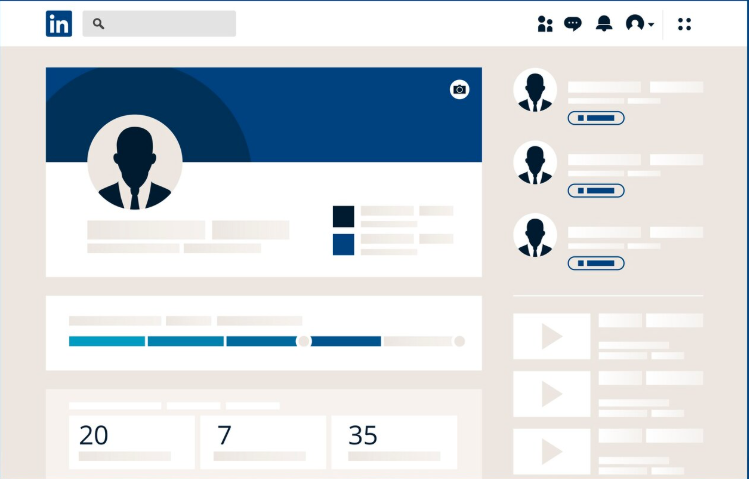
References
- Economic Times. (2025). Indian recruiters pivot to quality hiring as AI tools take hold. Retrieved from: https://economictimes.indiatimes.com/jobs/hr-policies-trends/indian-recruiters-pivot-to-quality-hiring-as-ai-tools-take-hold/articleshow/121794666.cms
● Inc42. (2023). LinkedIn Users In India Up 19% YoY To Over 100 Mn. Retrieved from: https://inc42.com/buzz/linkedin-users-in-india-up-19-yoy-to-over-100-mn-microsofts-satya-nadella