
Mindfulness and Meditation Techniques for Busy Students
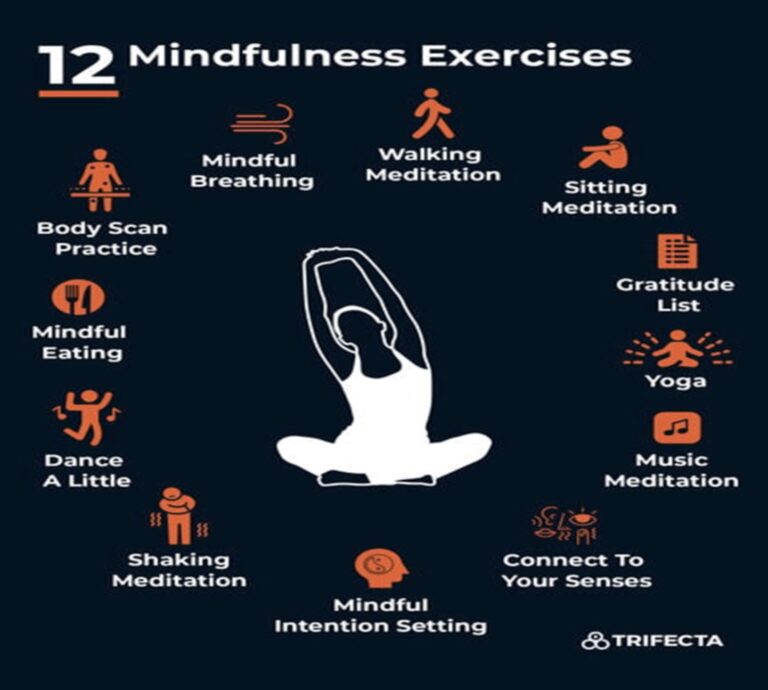
Topics to Be Covered:
This guide explores student mindfulness exercises to reduce stress, improve focus, and enhance well-being.
Table of Contents
Introduction
Understanding the Need for Stress Relief
Core Student Mindfulness Exercises Techniques
Breath Awareness
Body Scan
Walking Meditation
Loving-Kindness Meditation
Research Evidence & Effectiveness of Mindfulness
How to Fit Mindfulness into a Busy Student Schedule
Long-Term Benefits of Mindful Living for Students
Conclusion: Transforming Stress through Student Mindfulness
- FAQs
- Reference
Introduction
In today’s fast paced academic world, student mindfulness exercises are increasingly becoming vital for managing stressed and tight schedules and boosting mental resilience among students. These below mentioned simple practices offer a powerful way to stress relief for students, especially during exam seasons or project deadlines. In this article, we will explore certain effective mindfulness and meditation techniques specially tailored for busy students, focusing on how these student mindfulness exercises can support and enhance concentration, emotional balance, and overall well being among them, some of the key tools to ensure consistent stress relief for students.
Understanding the Need
Many students have very high levels of stress and anxiety, poor sleep, and difficulty in maintaining focus. A published review found that mindfulness interventions significantly reduced stress, anxiety, and depression in university students, improving psychological well‑being across multiple studies (Hedges’ g ≈ 0.30–0.47) PMC. Additional research states that over 52% of students consult professionals for mental health issues, a major red flag which underlines the need for various accessible tools (source)
Core Student Mindfulness Exercises Techniques
Busy students significantly benefit most from short- term and practical techniques of exercise that can be easily integrated into their daily routines:
Exercise | Time Needed | Benefit |
Breath Awareness | 3–5 minutes | Immediate focus & attention |
Body Scan (sitting) | 5–7 minutes | Relaxes physical tension |
Walking Meditation | 5–10 minutes | Moves energy and clears mental fog |
Loving‑Kindness (metta) | 3–5 minutes | Cultivates compassion, reduces stress |
Such exercises are flexible and serve as reliable student mindfulness exercises for quick stress relief for students.
Research Evidence & Effectiveness
Empirical Support:
- A meta-analysis published in Frontiers in Public Health found mindfulness significantly lowers and relieves stress, anxiety, and improves sleep quality in students. source
- A clinical trial using the “Calm” app among college students reported moderate to large stress reduction effects (effect sizes 0.59–1.24), with over 50% rating the intervention as helpful. source
- Another study with high school students practicing yoga and meditation showed reduced anxiety and stress after six weeks. source
How to Fit Mindfulness into a Busy Schedule:
- Small practice: Try 3 minute breathing or body scan sessions between classes.
- Routine integration: Pair walking meditation with daily chores like walking in class.
- Technology support: Use apps like Calm or Insight Timer—programs requiring 20–30 minutes per week can significantly reduce stress.
- Consistency over duration: Studies show that short but regular practice is more effective than occasional long sessions.
- Mindful breaks: Use about 5 to 7 minute breaks to do a quick exercise before or after a studying session.
These small interventions result into reliable and significant stress relief for students.
Long-Term Benefits & Mindful Living
- Over time, continuous and consistent student mindfulness exercises reap deeper benefits:
- Enhanced emotional stability, meaning less stressful reaction towards exams.
- Improved attention and memory, thereby enhancing academic performance.
- Better sleep quality, related interventions have been shown to increase night sleeps by over an hour in some youth studies
- Increased resilience and well-being, as evidenced in qualitative feedback from many pilot mindfulness programs
Conclusion
Busy students can obtain noteworthy value from student mindfulness exercises, which offers apt and effective stress easing for students. Start from short duration exercises like deep breathing or walking helps the students to reduce stress, increase focus, and improve mental health, without causing much disturbance in their daily schedules. As many studies show, even a small commitment to such techniques greatly lowers anxiety and boosts life satisfaction.
In conclusion, including mindfulness into everyday student life helps to transform stress into calmness, and burden into systematic planning, which is very important for the upcoming youth population. By involving the above mentioned student mindfulness exercises, universities, schools and communities can support students toward becoming more calm, focused, and emotionally balanced, redefining stress relief for students through mindful living.
FAQs
Q1: What are the most effective student mindfulness exercises for stress relief?
A: Breath awareness, body scan, walking meditation, and loving-kindness meditation are simple yet powerful practices.
Q2: How much time do student mindfulness exercises take daily?
A: Most can be practiced in just 3–10 minutes, making them easy to fit into a busy schedule.
Q3: Do student mindfulness exercises really improve academic performance?
A: Yes, research shows they improve focus, memory, and emotional balance, which directly support academic success.
Q4: Can apps help with student mindfulness exercises?
A: Yes, apps like Calm and Insight Timer provide guided sessions for stress relief and consistent practice.
Q5: Are student mindfulness exercises suitable during exams?
A: Absolutely—short mindful breaks during study sessions reduce anxiety and boost concentration.
References
- González‑Martín et al., systematic review on university student mindfulness – https://www.ncbi.nlm.nih.gov/articles/PMC10726040/
Penned by Kritika Gupta
Edited by Sneha Seth, Research Analyst
For any feedback mail us at [email protected]
Streamline Your Hiring with Eve Placement’s Custom Assessments
Eve Placement helps you engage, assess, and recruit top talent through tailored hiring challenges that go beyond resumes. From technical quizzes and real-world case studies to psychometric evaluations and audio/video submissions, our platform enables smarter, data-driven hiring decisions. Advanced security features ensure authenticity and eliminate fraud, giving you reliable results. Ready to hire better? Know More.
Mail us at [email protected]