
Student-Founded Media Channels
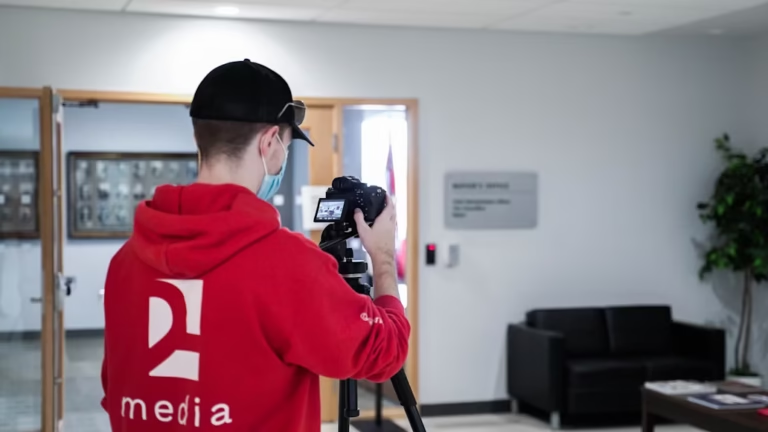
Topis: Student-founded media channels, Student media startups
5 Ways Student-Founded Media Channels Are Transforming Campus Journalism
In 2025, student media startups and student-founded media channels are redefining and developing better campus journalism across several universities. These platforms and channels are providing students with a sense of freedom and different resources to share authentic stories, reports on campus life, and explore multiple innovative media formats and shows.
Going beyond the conventional classroom learning with continuous lectures, they are nurturing and honing the practical skills in the demanding content creation ability, digital storytelling tactics and the leadership opportunity for the students to be prepared for a real-world edge. By funding and managing their own media channels, they are learning the ground challenges required to face during efficient journalism and help them to gain firsthand experience in programming a media operation while amplifying the voices of their peers and community.
1. Amplifying Student Voices
Student-founded media channels are providing beginners and learners a direct, meaningful platform to highlight topics and showcase the major ground-level issues that matter to their campus community. From the campus events and social/environmental initiatives to student opinions, challenges and achievements, these media channels prioritize the authentic perspectives of the victim and impactfully land the motto into the target audience. Unlike mainstream media, they are deeply connected with the student body organizations, making reporting more relevant, relatable, and impactful.
2. Hands-On Journalism Experience
Participating and creating content being a part of these initiatives helps students to equip and hone their real-world journalism skills. Through this channel, they will learn reporting of news, interviewing a victim, photography of the scene, video editing before airing it on the platform, podcast production challenges, and social media management techniques. These practical experiences are very much invaluable to campus students, enabling them to build a strong portfolio of their work that can jumpstart their careers in journalism, communications and digital media easily.
3. Fostering Creativity and Innovation
With funding and also execution, everything sourced from students themselves, helps the media platforms to have the flexibility to experiment with tactics. Students can launch their podcasts, create interactive website content, produce short films & shows, or design innovative newsletters. This creative freedom encourages and helps them to inculcate the risk management skills, storytelling, innovation execution and unique content strategies that push their boundaries of conventional campus journalism.
4. Building a Connected Campus Community
Student-founded media platforms are more than normal media outlets; rather, they are the hub centre for engagement on channels. By covering the local stories of different communities, their interviews, and various campus initiatives, they encourage huge participation from a wider student audience from different universities. Various events, campaigns and interactive polls connect all the students, fostering better collaboration opportunities and a stronger sense of healthy community in terms of relationships.
5. Preparing Students for Professional Careers
By gaining experience in running a student media startup or managing a different channel, reporting shows helps students to develop leadership, project management and teamwork skills in them. From handling editorial decisions, budgeting and the deadline mirrors, they are skilling their real-world media operations. Many campus graduates have successfully transitioned into professional media roles by bringing practical experience and confidence into their careers through these media channels through constant learning capacity and capacity-building skills.
Conclusion
The rise of student-founded media channels and student media startups is constantly reformulating campus journalism by giving students the tools and a chance to tell their own stories, manage the media operations, and develop professional skills. Through creative content management, community engagement, and hands-on experience, these platforms help to prepare students to thrive in the evolving world of startup media platforms. It ensures they are leaving the campus with huge confidence, practical knowledge, skills and an excellent portfolio that stands out in the professional arena.
References
[1] J. Lee, “Empowering voices: The rise of student-funded media channels,” College Media Review, vol. 18, no. 2, pp. 15–27, 2025. [Online]. Available: https://www.collegemediareview.org/articles/2025/empowering-voices
[2] International Student Media Network, “Best practices in student media funding and operations,” ISMN Reports, 2025. [Online]. Available: https://www.studentmedianetwork.org/reports/2025
[3] Unsplash: Student Founded Media Channels 2H Media
FAQs on Student-Founded Media Channels
1. What are student-founded media channels and how do they differ from traditional campus media?
Student-founded media channels are media platforms created, managed, and funded entirely by students, giving them creative freedom and a direct voice in campus journalism. Unlike traditional campus media, these channels offer authentic student perspectives and innovative formats reflecting current campus issues more closely.
2. How do student-founded media channels amplify student voices on campus?
These channels prioritize stories and issues that matter directly to the student body, such as campus events, social initiatives, and student opinions. This connection results in relevant, relatable reporting that mainstream media often misses, making these channels a powerful tool to engage and represent peers.
3. What practical journalism skills can students gain from working with these media startups?
Participating in student media startups helps students develop real-world skills like news reporting, interviewing, photography, video editing, podcast production, and social media management. This hands-on experience builds a strong portfolio that prepares them for professional careers in journalism and digital media.
4. In what ways do student media startups encourage creativity and innovation?
Since students handle funding and execution, they enjoy flexibility to experiment with new formats like podcasts, interactive websites, short films, and newsletters. These opportunities foster risk-taking, storytelling innovation, and strategic content creation beyond traditional journalism.
5. How do student-founded media channels contribute to building a connected campus community?
By highlighting diverse campus stories, organizing interactive polls, and hosting events, these platforms actively engage students across disciplines and universities. This involvement nurtures collaboration, a sense of belonging, and a healthier, more vibrant campus culture.
6. What leadership and managerial skills do students develop when running these media channels?
Students learn project management, editorial decision-making, budgeting, teamwork, and deadline handling. These competencies equip them with the confidence and experience needed to transition smoothly into the professional media industry.
7. How are student media startups impacting professional career readiness?
By running real media operations, students gain firsthand knowledge of the industry’s challenges and workflows. This experience enhances their practical knowledge, making them highly competitive candidates for media roles post-graduation.
8. What challenges do student-founded media channels face compared to traditional media?
Managing funding, maintaining consistent content quality, competing for attention amidst other campus activities, and balancing media work with academics are typical challenges. However, overcoming them teaches resilience and adaptability.
9. How do these media startups leverage digital platforms and new technology?
Many use social media, podcasts, video streaming, and interactive websites to reach wider audiences instantly. Adopting current digital tools enhances engagement and develops students’ digital literacy.
10. Can participation in a student-founded media channel influence a student’s future career path?
Yes, students cultivate a strong resume, networks, and industry-relevant skills. Many alumni of these startups successfully pursue careers in journalism, communications, digital media, and related fields.
Penned by Rohit Rathore
Edited by Ragi Gilani, Research Analyst
For any feedback mail us at [email protected]
Streamline Your Hiring with Eve Placement’s Custom Assessments
Eve Placement helps you engage, assess, and recruit top talent through tailored hiring challenges that go beyond resumes. From technical quizzes and real-world case studies to psychometric evaluations and audio/video submissions, our platform enables smarter, data-driven hiring decisions. Advanced security features ensure authenticity and eliminate fraud, giving you reliable results. Ready to hire better? Know More.
Mail us at [email protected]