
Influence Building in Remote-First Companies: Strategies for Success in 2025
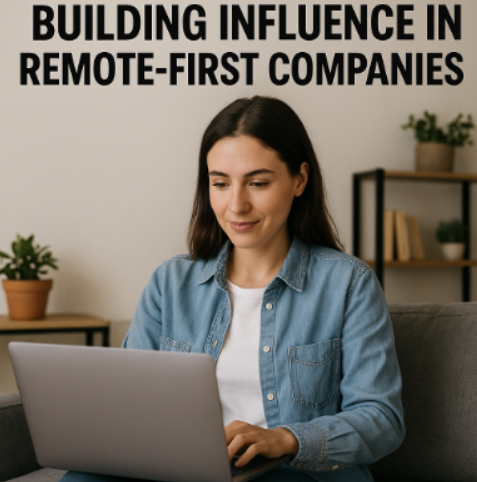
In the current era, where one is always expected to work personally in most tasks, it has become even more essential to build influence with remote-first companies. Let us first understand what a remote-first company is and how it works. A remote-first company works with the premise that the majority of the team will be working remotely (in the sense that they won’t be physically present in the office). The workers can do the job from anywhere as per their choice and convenience, but the work has to be completed in time and with complete sincerity and dedication.
IMPORTANCE OF REMOTE-FIRST COMPANIES
We all know very well that the majority of giant companies, particularly the corporate ones, require the physical appearance of workers, which becomes chaotic and tiresome for the individuals who are working. It becomes even harder to manage other tasks since most of the physical and mental energy is being expended, and there is a deficiency in the effective and efficient delivery of the tasks to be accomplished.
Furthermore, the workplace environment plays a significant role in the mental health of an employee. In large corporations, in recent years, it has been proven that the office environment is actually poisonous due to certain reasons, like poor communication among the staff, piling or clustering upon an individual, inefficient stress management, etc. Remote-first corporations are a solution to several issues like these.
It gives the employees the freedom to select and work in a peaceful place and also eliminates unnecessary tension. Remote working also assists the individual to organize the other work as well, and alongside permits prioritizing the work that requires more attention. For instance, working mothers who, on the other hand, have a huge responsibility of working and taking care of their kids and keeping house, remote working can be a relief for them.

HOW CAN THIS TRUST BE BUILT AND MAINTAINED?
1) Finishing the tasks within or ahead of deadlines.
2) Performing the tasks with complete devotion, honesty, and sincerity.
3) Volunteer for all the concerned tasks and provide assistance and aid where needed.
4) Interacting with the team members and being a part of some minor fun activities, and significant group discussions.
Following all the above, it will not only make the employees efficient in doing their job but also ensure a healthy work environment, a positive workplace, and work-life balance. Remote-first jobs, therefore, assist in providing a good impact to the employees, having a direct positive effect on their work. The better people can maintain a work-life balance the better good outcome can be expected outcomes will be. Remote-first careers are great for those who want to make money and fit in all other significant tasks as well, also aiding them in improving their respective fields and joining other opportunities.

Bonus FAQs:
1. What is a remote-first company?
A remote-first company is an organization that prioritizes remote work over traditional office-based operations. In these kind of companies, employees are not required to be physically present in an office. Instead, the company’s infrastructure and culture are built to support remote collaboration and digital communication as the default mode of work.
2. How do remote-first companies differ from remote-friendly companies?
Remote-friendly companies allow some remote work but are still primarily office-centric in their operations. On the other hand, first companies operate with remote work as the foundation of their structure. Policies, tools, and communication styles are specifically tailored to suit a remote environment.
3. Why are remote-first companies gaining popularity?
Companies like these are becoming more popular because they offer flexibility, reduce commuting stress, improve work-life balance, and allow companies to hire talent globally. Additionally, they lower office costs and promote asynchronous productivity across different time zones.
4. What challenges do employees face in remote-first companies?
While first companies offer many benefits, they also present unique challenges:
- Lack of face-to-face interaction
- Time zone coordination
- Feelings of isolation
- Overworking due to blurred boundaries between work and personal life
- Learning to overcome these challenges is key to building influence
5. How can one build influence in a remote-first company?
To build influence in first companies, you should:
- Deliver high-quality work consistently
- Communicate proactively and clearly
- Be visible by participating in meetings and discussions
- Take initiative and volunteer for tasks
- Respect deadlines and be dependable
- These actions earn trust and establish you as a reliable contributor in remote environments.
6. How important is communication in remote-first companies?
Communication is vital in these companies. Without daily face-to-face interactions, your influence depends heavily on how well you express ideas, provide updates, and contribute to team dynamics through digital platforms. Tools like Slack, Zoom, and email become your professional voice.
7. What tools do remote-first companies use to operate effectively?
Common tools in first companies include:
- Slack or Microsoft Teams for messaging
- Zoom or Google Meet for video calls
- Trello, Asana, or Notion for project management
- Google Workspace or Office 365 for collaboration
- Mastery of these tools is essential to build and sustain influence in first companies.
8. How can I stay visible in a remote-first company without being annoying?
Be consistent rather than loud. Share updates regularly, contribute to team channels, and engage in optional activities. Avoid over-communicating but always be present and active during key moments. In first companies, your presence is measured by value-added, not volume.
9. Does time zone difference impact influence in remote-first companies?
Yes. In first companies, time zone differences can make real-time collaboration difficult. Overcoming this by being responsive during overlapping hours and embracing asynchronous communication builds reliability and trust.
10. How do remote-first companies maintain a team culture?
Culture in first companies is cultivated through:
- Regular virtual meetups
- Celebrating milestones
- Hosting virtual games and activities
- Sharing non-work-related content in team chats
- Participating in these shows that you care about the team, not just the tasks, boosting your influence.
11. How do you show leadership in a remote-first company without a title?
Leadership in first companies is shown by:
- Taking initiative
- Offering help proactively
- Sharing knowledge or tips
- Leading by example in digital etiquette and punctuality
- People notice and respect consistent contributors, regardless of title.
12. Can introverts thrive in remote-first companies?
Absolutely. First companies can be ideal for introverts. They allow deep work in solitude while offering structured channels for communication. Introverts can build influence through writing thoughtful messages, consistent output, and meaningful participation.
13. How do performance reviews work in remote-first companies?
In first companies, performance is usually tracked by:
- Output and deliverables
- Communication effectiveness
- Collaboration and initiative
- Peer and manager feedback
- Since managers don’t see you in person, your influence is determined by your digital footprint and contributions.
14. How can remote-first companies support work-life balance?
First companies allow:
- Flexible work hours
- Elimination of commute
- The ability to work from preferred environments
- Better focus through fewer office distractions
- These features help employees manage their energy better and allocate time more efficiently.
15. What are common mistakes that reduce influence in remote-first companies?
- Missing deadlines
- Being unresponsive
- Over-promising and under-delivering
- Withdrawing from team interactions
- Lack of communication about availability
- In first companies, consistent disengagement is noticed and remembered.
16. How do you build trust in remote-first companies?
Trust in first companies is built by:
- Delivering on promises
- Being transparent about progress
- Communicating availability
- Showing reliability over time
- Actively engaging in team channels
- Trust is the currency of remote work.
17. What roles or jobs thrive best in remote-first companies?
Some ideal roles for first companies include:
- Software Development
- Digital Marketing
- Content Writing
- Customer Support
- Project Management
- UX/UI Design
- These roles often require deep focus and minimal physical presence.
18. How do first companies onboard new employees remotely?
Effective onboarding in first companies typically involves:
- Virtual orientation sessions
- Digital documentation and walkthroughs
- Assigned mentors or buddies
- Regular check-ins during the first few weeks
- Good onboarding sets the tone for your influence and involvement moving forward.
19. Can you grow your career while working remotely?
Yes. In first companies, promotions and growth are often based on measurable performance. You can rise through the ranks by proving your value consistently and seizing opportunities for leadership.
20. How can you mentor or coach in a remote-first setup?
Use tools like Zoom, Loom, or asynchronous voice/video messages. Create shared documents or learning boards. Mentorship in first companies is built on proactive engagement and regular feedback.
21. What role does empathy play in remote-first companies?
Empathy is crucial. In such companies, everyone works in different environments and conditions. Understanding others’ challenges and offering flexible collaboration helps build strong interpersonal influence.
22. Are remote-first companies more inclusive?
Generally, yes. Companies remove geographic and physical barriers, making opportunities accessible to a wider range of people including those with disabilities, caretaking responsibilities, or remote-only availability.
23. How do you avoid burnout?
Set clear boundaries, take regular breaks, and communicate workload concerns. Use scheduling tools to block personal time. These companies thrive when employees are rested and mentally balanced.
24. How do you keep learning and upskilling in remote-first companies?
Participate in webinars, online courses, internal training, and mentorship programs. Share what you learn. These companies often offer learning stipends to support continual growth.
25. Are these a good fit for everyone?
Not always. While first companies offer flexibility, they require high self-discipline, strong communication skills, and digital literacy. People who thrive with structure or social settings may find it difficult initially.
26. How can employers encourage influence building among remote employees?
Employers should:
- Recognize contributions publicly
- Foster open communication
- Create mentorship systems
- Encourage initiative-taking
These measures empower employees to grow influence organically in first companies.
27. What’s the future of such companies?
The future of first companies is bright. As technology evolves and digital collaboration improves, more businesses will transition to a remote-first model. Companies that adapt quickly will access a global talent pool and enjoy greater resilience.
Penned by Sanjam Singh
Edited by Shashank Khandelwal, Research Analyst
For any feedback mail us at [email protected]
Streamline Your Hiring with Eve Placement’s Custom Assessments
Eve Placement helps you engage, assess, and recruit top talent through tailored hiring challenges that go beyond resumes. From technical quizzes and real-world case studies to psychometric evaluations and audio/video submissions, our platform enables smarter, data-driven hiring decisions. Advanced security features ensure authenticity and eliminate fraud, giving you reliable results. Ready to hire better? Know More.
Mail us at [email protected]